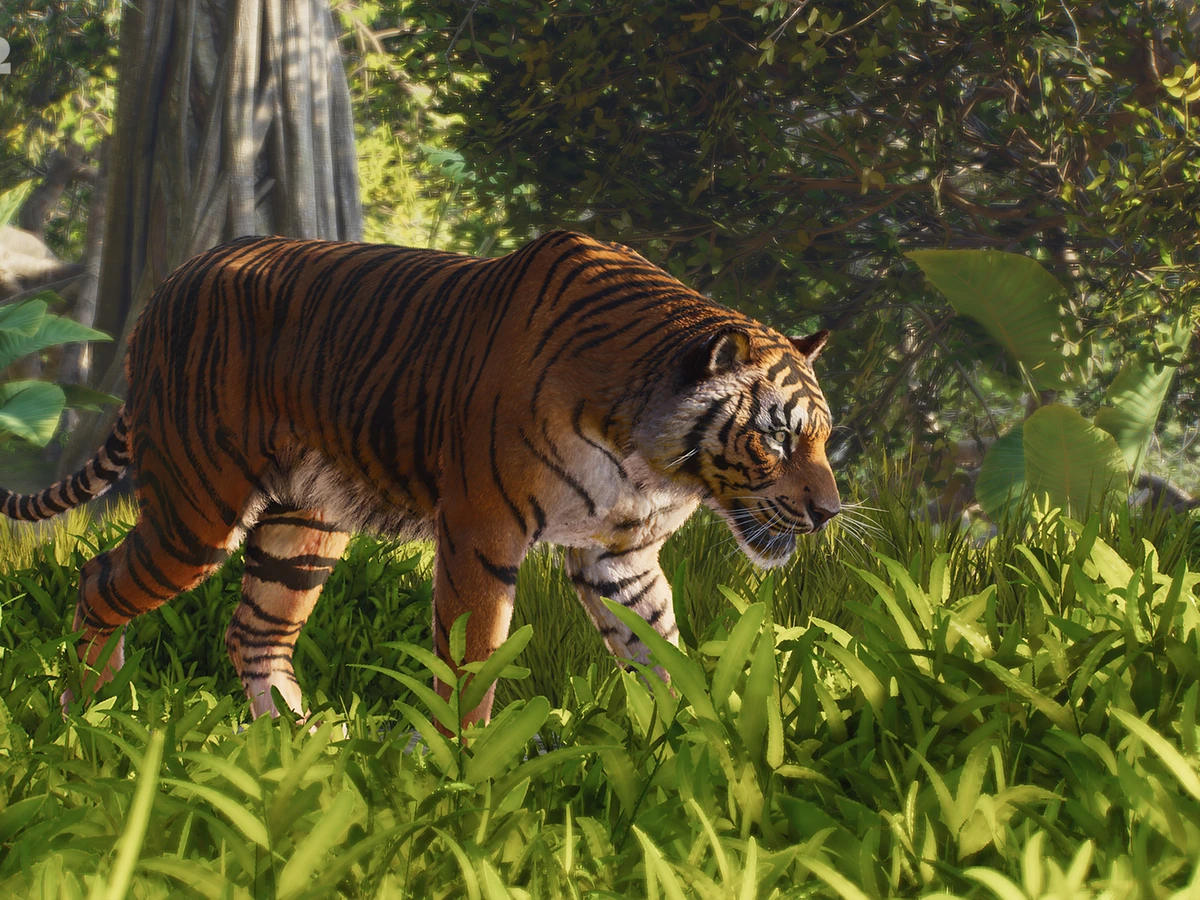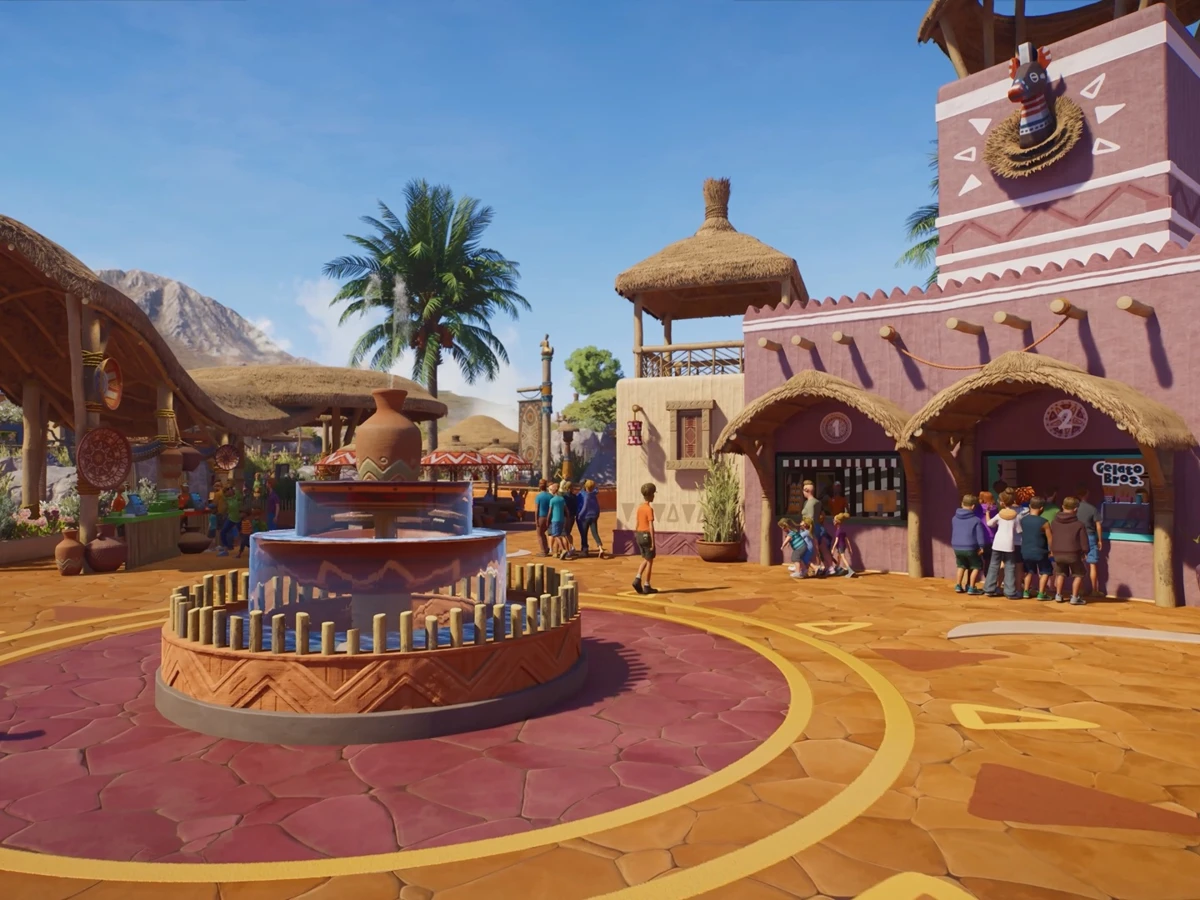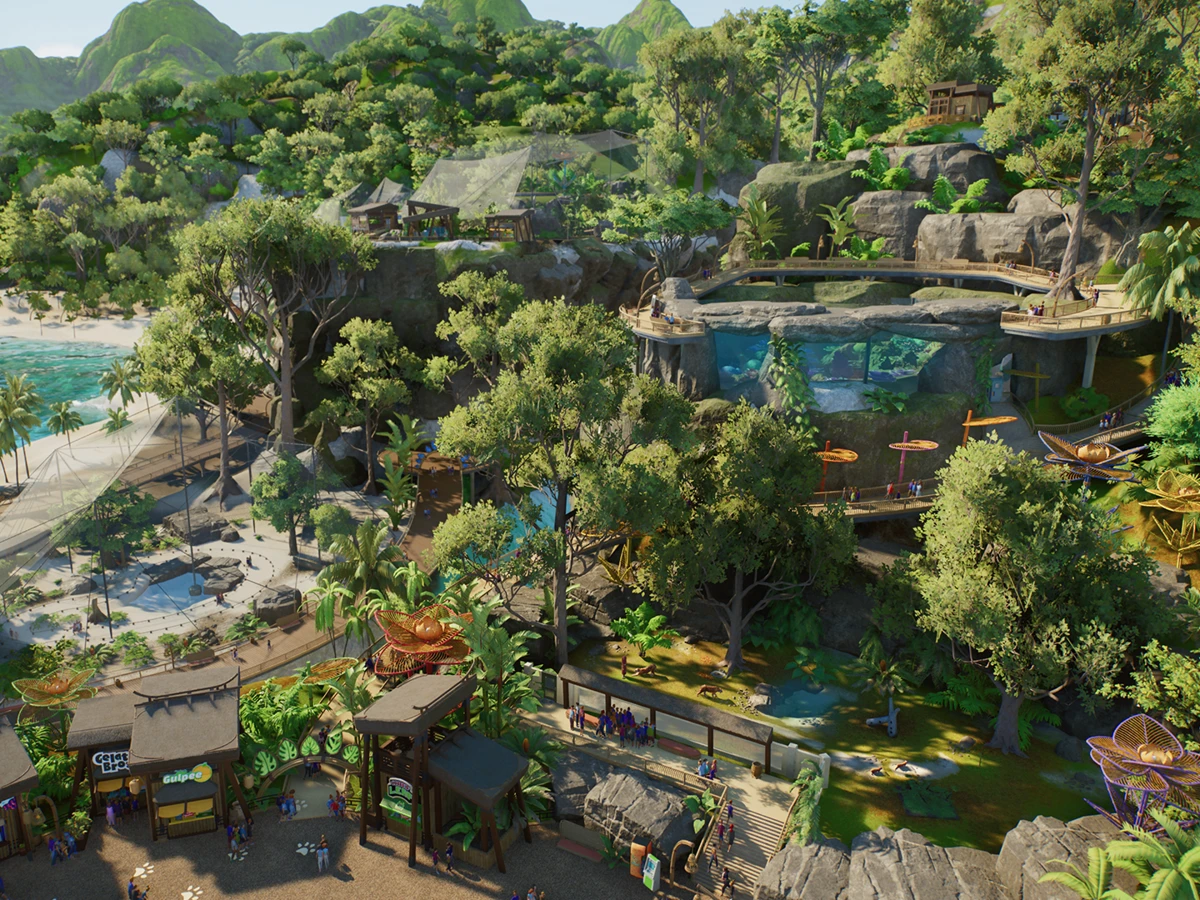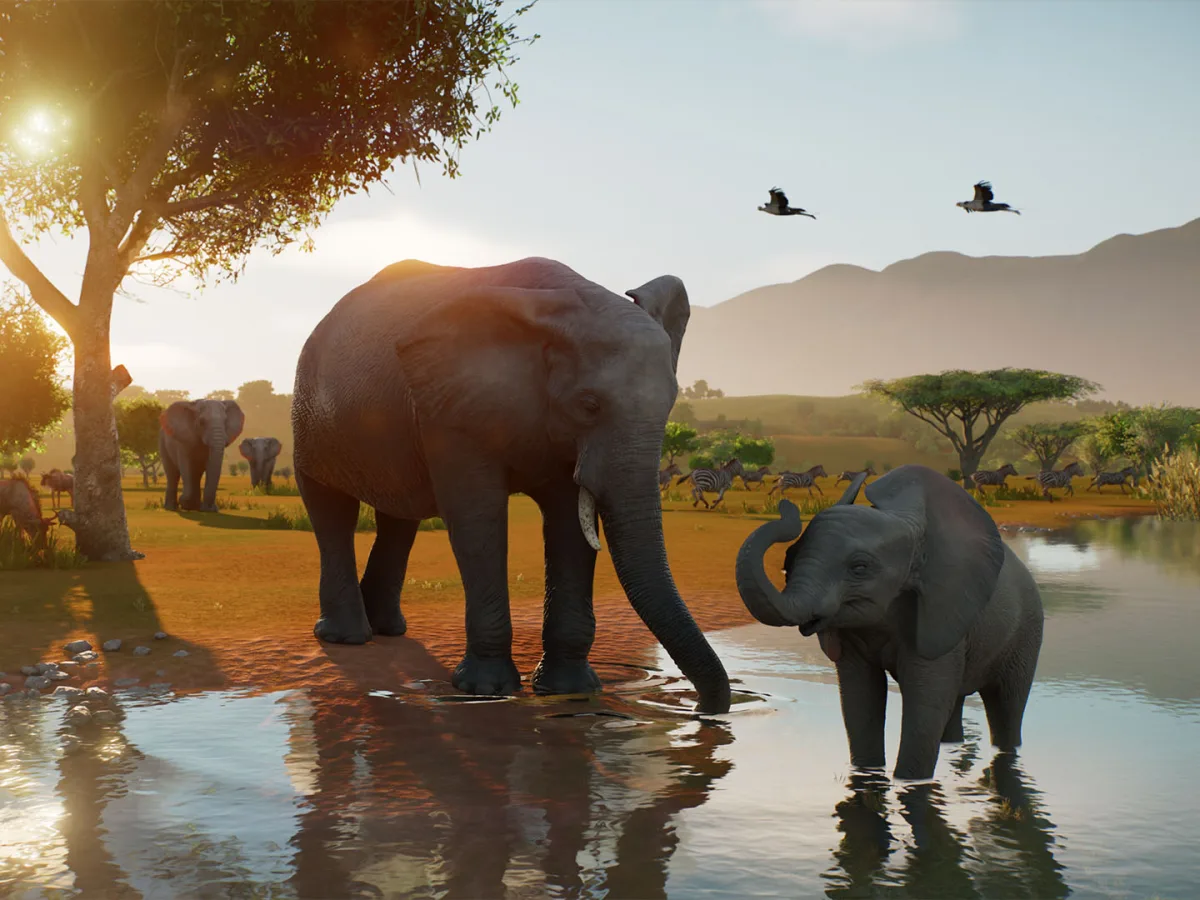
There is a small but telling difference between releasing an animal and watching it disappear. Planet Zoo 2 is promising to make that moment visible through its announced Wildlife Reserves: spaces the player can restore, populate and revisit after meeting the conditions to release animals from their zoos. It is still an unreleased system, not a claim about how the finished game will feel. Yet it is the most interesting idea in Frontier's sequel because it gives the series' conservation theme somewhere to go after a habitat has succeeded. With the game scheduled for 13 October on PC, PS5 and Xbox Series X|S, the reserves offer a much sharper reason to watch than another longer list of animals or decorations.
A release that stays on the map
Frontier has described the basic structure in unusually concrete terms. Its announcement material says players take on conservation projects, meet particular requirements, then release zoo animals into customisable Wildlife Reserves made up of living ecosystems. The same material places those reserves alongside the management game rather than outside it: Career mode follows FEN, the Fauna and Ecosystems Network, as it builds a global network of zoos and reserves. That makes a successful habitat potentially the start of another piece of the game, rather than the final screen of an animal-management task.
The distinction is easy to picture. A zoo simulation already asks a player to consider welfare, enclosure design, staff and guests while an animal is in their care. A conventional release button can be a satisfying capstone, but it also removes the creature from the player's story. Wildlife Reserves could preserve that story by putting the animal in a new setting whose condition still matters. The point is not that a game can model real conservation in full. It is that a simulated release has more weight when the player can see a place altered by it rather than only receive a menu confirmation.
That is why the reserve footage carries more interest than a scenic backdrop. Xbox Wire's Frontier-authored breakdown says the projects ask players to revitalise expansive reserves by returning animals to natural habitats. It also says the player will use new terrain brushes, foliage and construction tools in both zoos and reserves. Those details suggest the landscape is intended to be shaped, not merely visited. They do not establish the limits of that editing, the number of reserves or how requirements will work. But they give the feature a physical role in the announced loop: build well, qualify an animal for release, and have another landscape to care about.
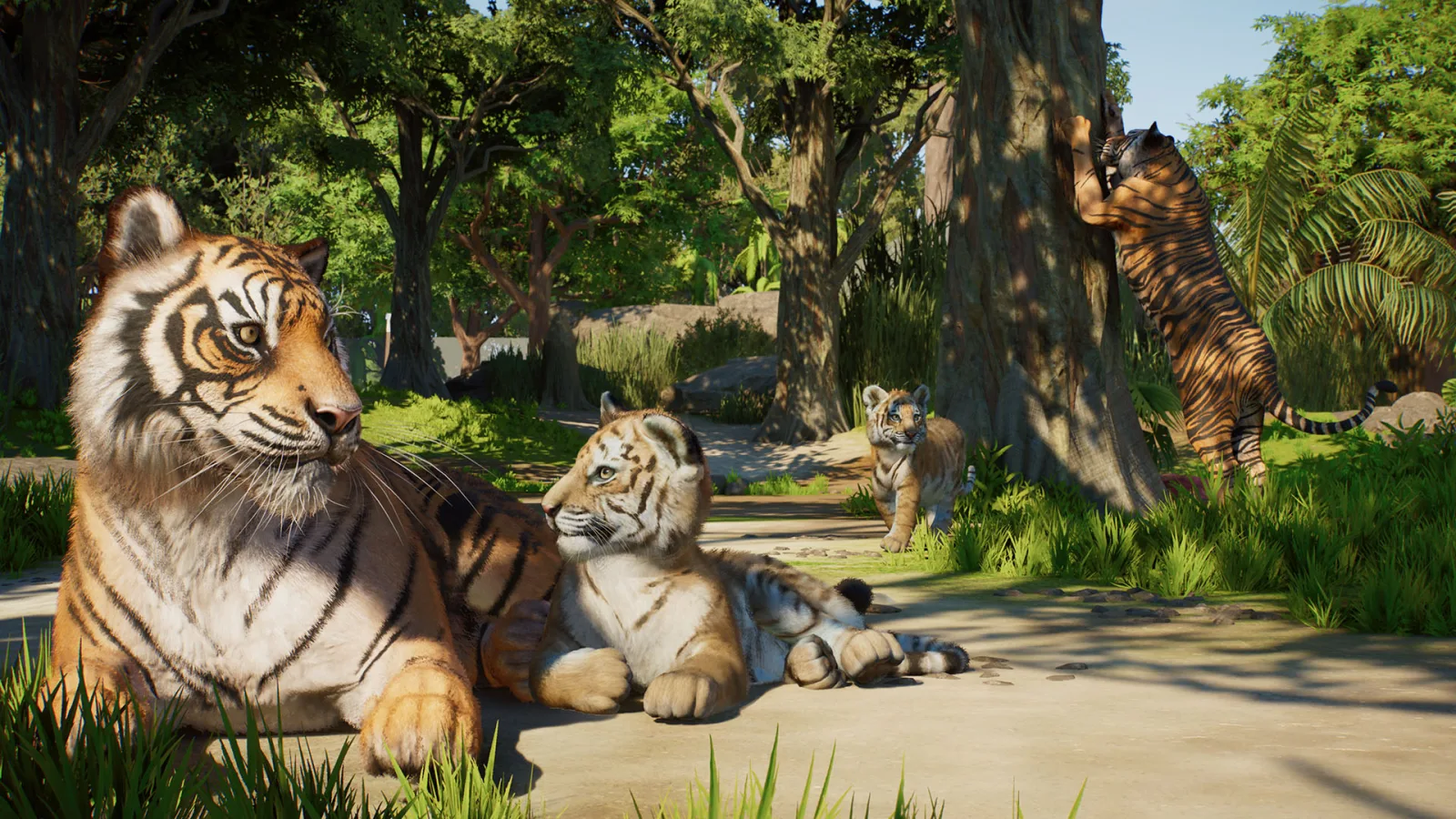
Why the new context changes the animal
GamesRadar's preview offers the useful human-scale version of that pitch. After seeing a demonstration, its report says animals released from zoos join playable reserves, where they can be seen in natural environments alongside species that might not share a zoo enclosure. Game director Gareth Hughes framed the idea as rewilding and repopulating places integrated into the wider loop. That is still a developer's intention relayed through a preview, and it should be treated as such. It does, however, explain why the system could land emotionally: the same animal the player has managed becomes part of a larger scene rather than a completed statistic.
TheSixthAxis described a similar slice of the presentation, calling the reserves open regions on the world map with observation points rather than conventional cut-off habitats. Its account of giraffes and elephants roaming freely is especially revealing because the proposed contrast is structural, not just visual. A zoo enclosure is made to balance animal needs, visitor sightlines and maintenance. A reserve that removes the visitor-facing boundary can present animals as part of an ecosystem the player has helped restore. Frontier has not yet shown enough to prove how deep that simulation runs, but the shift in framing is already clear.
That framing matters for a series built around close observation. Frontier has separately announced more expressive animal behaviour, including a visible mood system, alongside aquatic and flying species. Those additions could make a reserve feel lively, but they are not proof that every animal behaviour will translate cleanly from zoo to open landscape. The stronger promise is simpler: Planet Zoo 2 may let players see a care decision carry beyond the enclosure. A welfare meter becoming a healthier animal is useful feedback; seeing that animal in a new, persistent place gives the feedback a narrative afterlife.
The sequel's most useful bit of ambition
There is an obvious risk in treating Wildlife Reserves as a solved idea before launch. Frontier's public material has not specified the full progression, the range of biomes, whether every zoo animal can enter a reserve or how much the player can manage once it does. The previews are based on a controlled demonstration rather than a finished campaign. It would be premature to call the reserves a breakthrough, or to assume they will replace the careful, sometimes fiddly work that defines a Planet Zoo build. The unanswered questions are concrete, and they will shape whether the mode feels like a destination or a decorative epilogue.
Even so, the feature earns attention because it makes the sequel's theme legible through an action. Players are not only told that conservation matters, nor simply rewarded with a percentage after making an enclosure acceptable. The announced sequence connects a well-run zoo to a distinct space that can show the outcome. It is a more expressive use of a management game's favourite language: systems leaving marks on a map. If Frontier can make the reserve's ecosystem, terrain tools and returning visits feel connected rather than bolted on, Planet Zoo 2 will have found a way to make animal release feel less like an exit.
For now, that is the right scale of anticipation. Planet Zoo 2 has plenty of headline-friendly additions, from aviaries to aquariums, but Wildlife Reserves are the part that could change the texture of its ordinary decisions. A player who adjusts a habitat, improves welfare and meets a release requirement would be working towards a visible consequence, not just a tidier ledger. That is an appealing proposition for an unreleased zoo sim, not a verdict on one. The next useful evidence will be sustained footage showing a reserve before and after animals arrive, and how the player returns to it after leaving the zoo gates behind.
Sources
Where this story comes from, and where you can check it.
Official sources
- Planet ZooPlanet Zoo 2 Releasing 13 October 2026 ↗
- Xbox WireA Deeper Look Inside Planet Zoo 2's Announce Trailer ↗