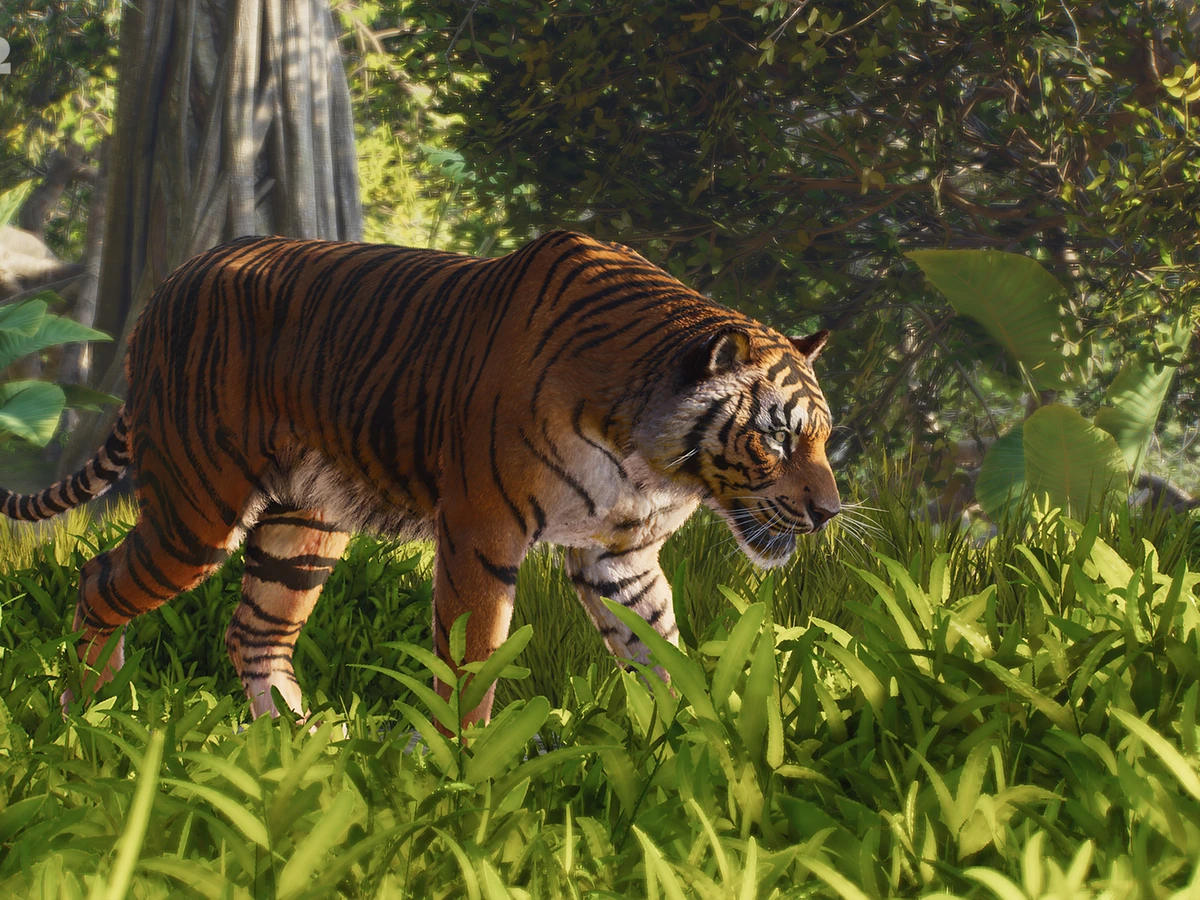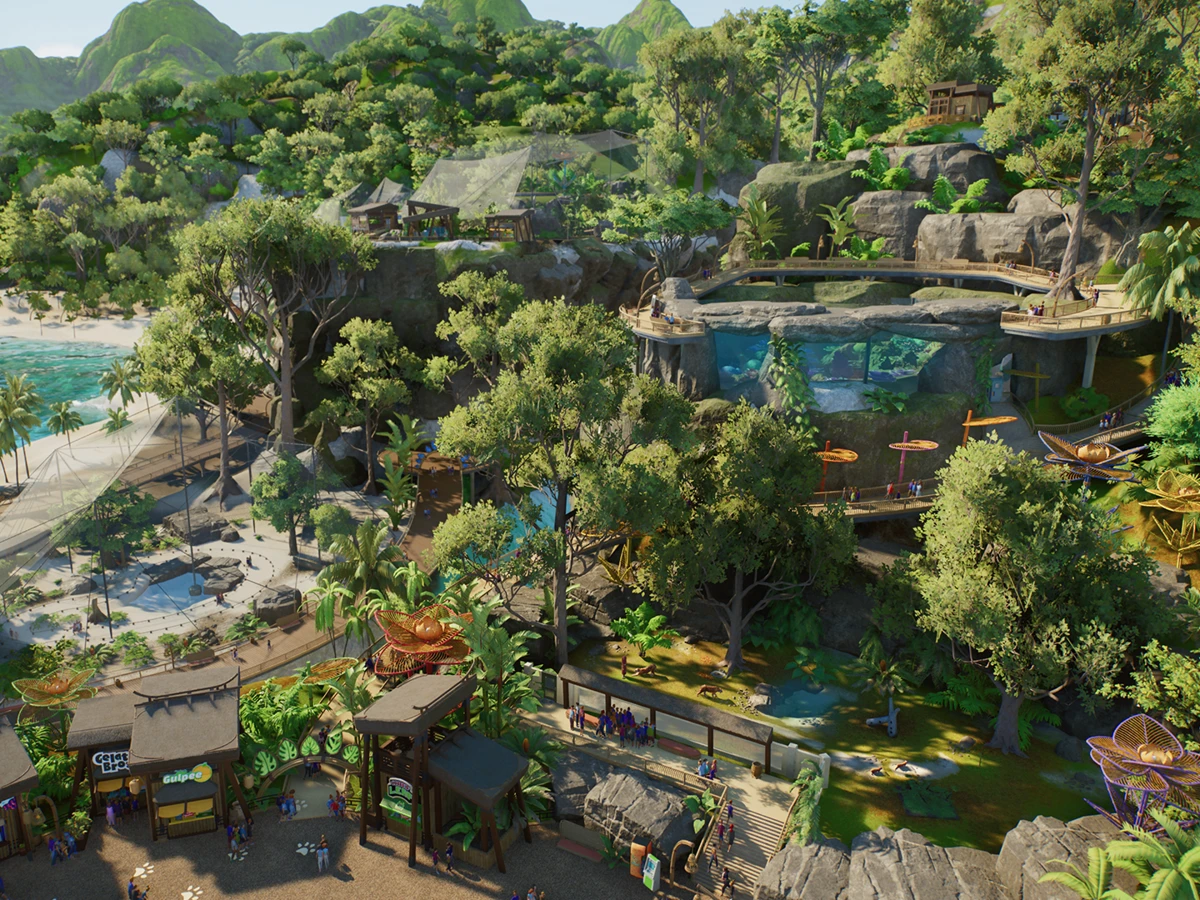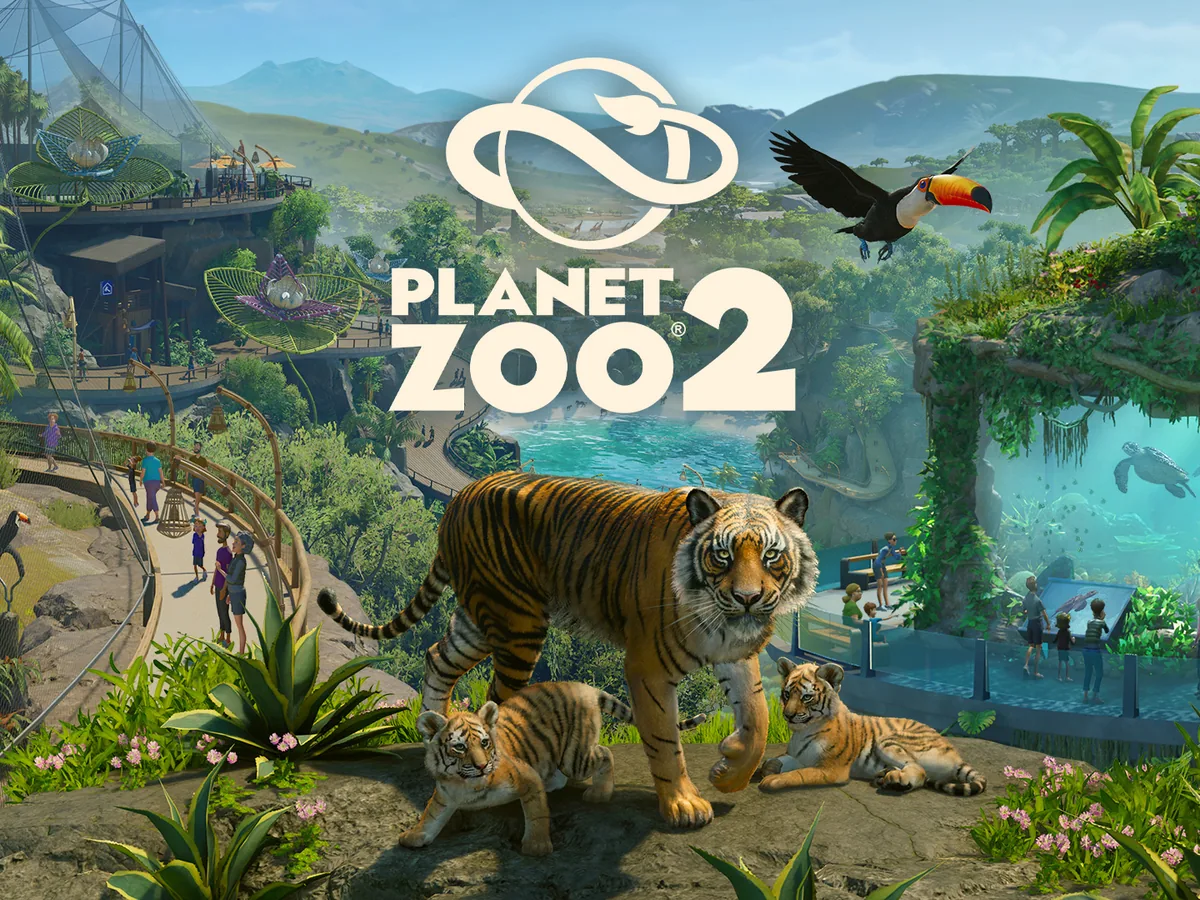
A tiger without water does not need a red warning icon to look miserable. In a demonstration of Planet Zoo 2, the animal became subdued, sulky and inactive. That little performance is a far more interesting management tool than another bar sliding towards zero. Frontier wants the animals themselves to tell you when a habitat is failing, and its latest official breakdown adds a new reason to keep watching after their basic needs have been met.
The 23 September Creature Feature introduces a Thriving state above ordinary welfare. Food, water, space, terrain, plants, social needs and enrichment still form the baseline, but research can reveal what a species needs to flourish rather than merely cope. Meet that higher standard and animals can live longer, while guests are encouraged to donate more. Three weeks before launch on 13 October, Planet Zoo 2 is connecting its most expressive animals to the spreadsheets that keep a zoo open.
The animal is part of the interface
GamesRadar+'s June developer interview explains why the thirsty tiger is more than a cute animation. Game director Gareth Hughes said a new layered animation system lets animals express their mood through posture, activity and sound. Chimpanzees can hang from, sleep on and otherwise interact with climbing frames; an unhappy animal can visibly withdraw. The aim is readability: a player should understand that something is wrong, why it is wrong and what action might fix it without first decoding a volatile stack of alerts.
That does not remove the welfare panel or the detailed habitat requirements. It gives those numbers a body. A water warning becomes a tiger lying low; poor climbing opportunities become a chimpanzee with fewer useful ways to occupy its enclosure. The distinction matters most when the zoo grows busy. A manager can always pause and audit every percentage, but catching an animal's changed routine while following a path through the park makes care feel like observation rather than remote administration.
The promise also has a sensible limit. In TheSixthAxis's September hands-on, Stefan L found the animals more detailed and enjoyed stopping to watch a secretary bird, turtle and lion, yet felt that some animations and decisions still appeared as separate actions rather than one continuous thought. That is a useful check on Frontier's pitch. Expressive behaviour does not need to create a perfect simulation of an animal's mind; it needs to make the important state change legible often enough that looking closely is worthwhile.
Thriving begins where the warning ends
The new Thriving state gives that close attention a positive purpose. Management games are good at telling players what has broken, because failure supplies obvious alarms. A healthy enclosure can be quieter: the food arrives, the temperature stays acceptable and nothing escapes. Planet Zoo 2 now asks the player to research a species and improve an already functional habitat until it becomes natural and enriching enough to earn a better condition. The reward is not merely the absence of trouble, but a longer-lived animal and a stronger response from visitors.
Research is the hinge. Vets can study animals to unlock items and improved welfare options, and the official management post says that knowledge is required before an animal can reach Thriving status. The system therefore turns the Zoopedia from a catalogue into a practical design brief. A generic patch of land may satisfy the first row of needs; learning what a particular species does in the wild should push the enclosure towards the plants, social arrangements and enrichment that let its new animations do more than display distress.
There is a neat tension in attaching guest donations to that result. Visitors want a clear view and managers need their money, but animals also require places to hide, recover and avoid stress. TheSixthAxis encountered the smaller version of that problem when aquarium visitors stressed a trio of turtles, prompting the placement of signs asking guests not to bang on the glass. Frontier's official breakdown goes further: guests dislike visible welfare problems, protesters can gather outside a poor habitat, and sufficiently unhappy visitors may leave.
A zoo should reward looking
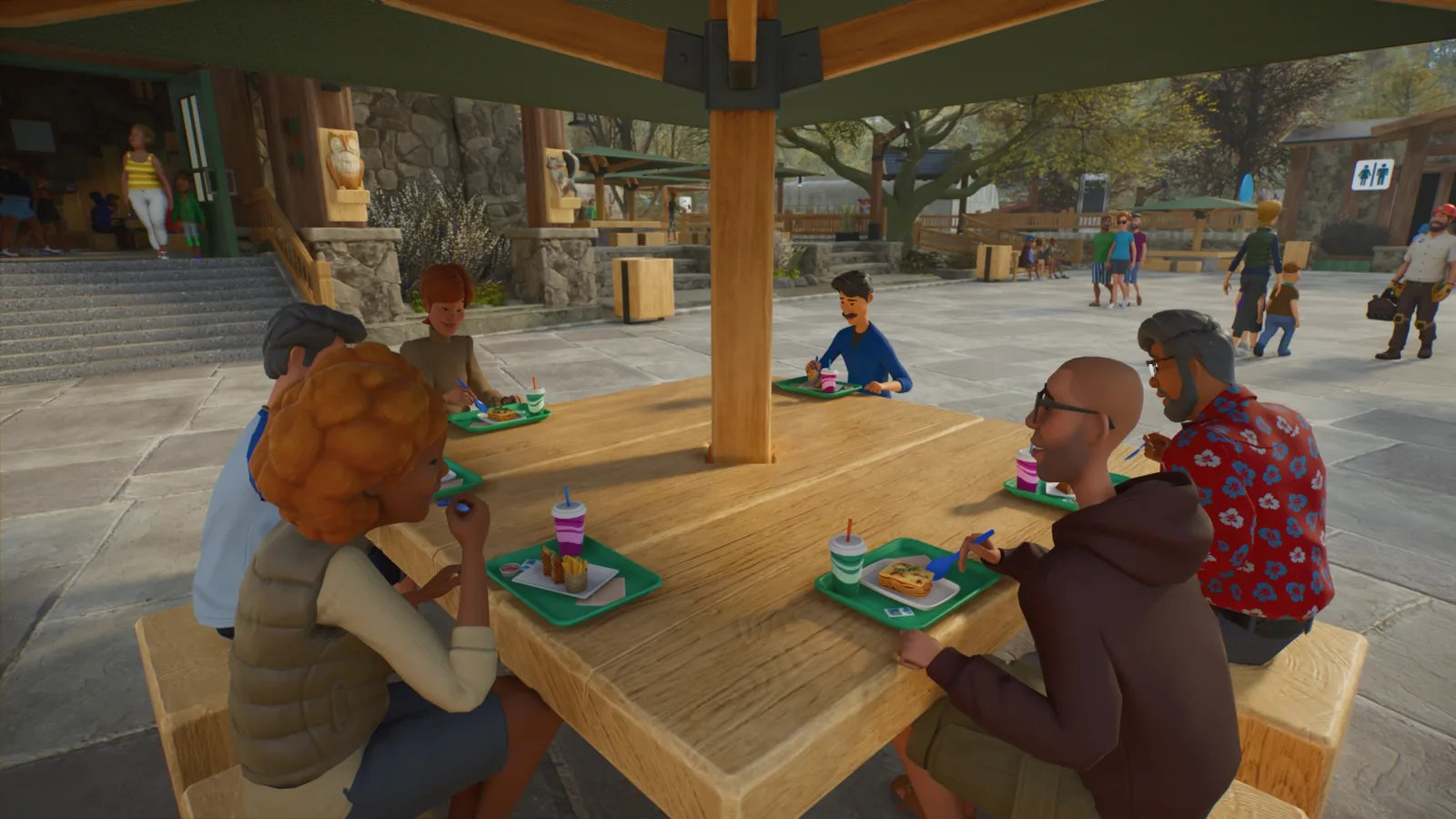
Those rules make the enclosure a negotiation rather than a display case. Put every animal in constant view and the visitors may be pleased for a moment, while the creatures become stressed. Hide them too well and the zoo struggles to educate or earn. A thriving habitat has to support both an animal's retreat and a guest's chance to see natural behaviour. When that balance works, the same scene can satisfy the player aesthetically and confirm that the management underneath it is sound.
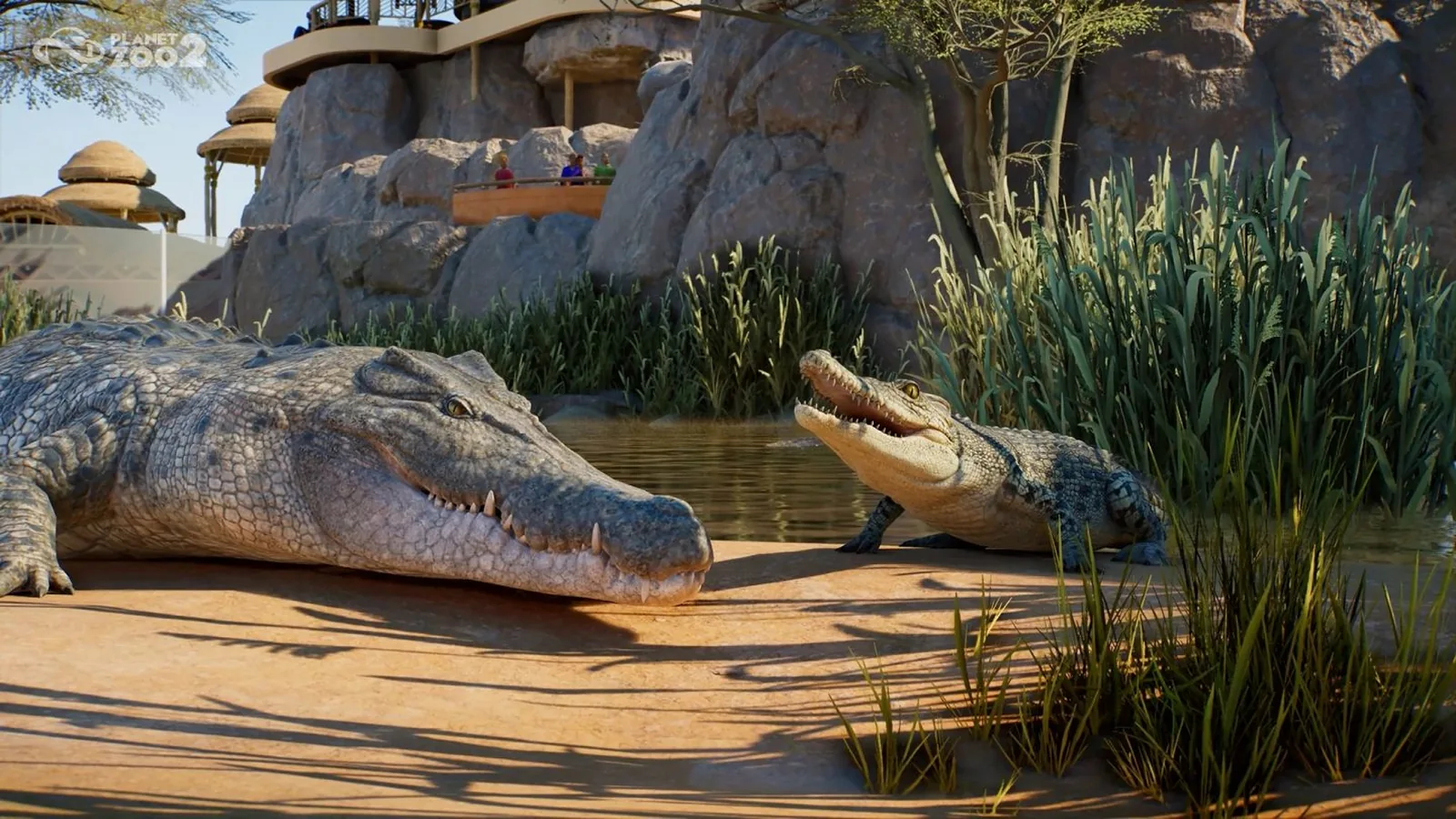
Planet Zoo 2 still carries plenty of conventional simulation machinery. Staff need tolerable workloads and salaries, facilities need power and filtered water, guests need food and toilets, and the zoo needs positive cash flow. Its reputation score condenses animal husbandry, sustainability, education and guest experience into five stars. The interesting move is not replacing those systems. It is allowing a slumped tiger, a climbing chimpanzee or a turtle seeking privacy to become the most immediate way into them.
That is why the animal behaviour deserves attention ahead of the PC, PS5 and Xbox Series launch. Aquariums and aviaries broaden what can be built, while Wildlife Reserves extend conservation beyond the gate. Readable welfare changes the moment-to-moment relationship with everything already inside. If Frontier's animations consistently connect behaviour to cause, the best first response to a warning will not be opening a menu. It will be watching the animal long enough to notice what the zoo has failed to provide.
Sources
Where this story comes from, and where you can check it.
Official sources
- Planet Zoo 2Creature Feature: Managing a Zoo ↗