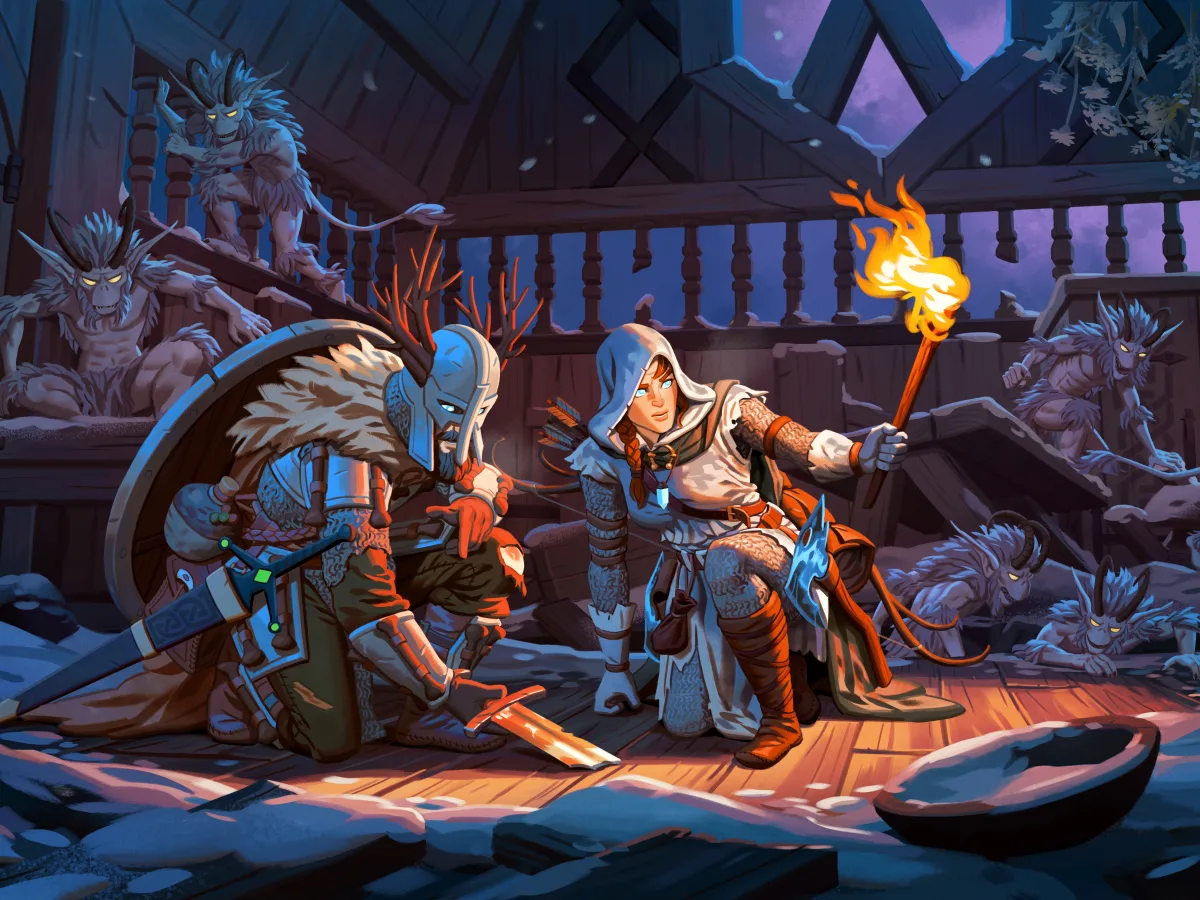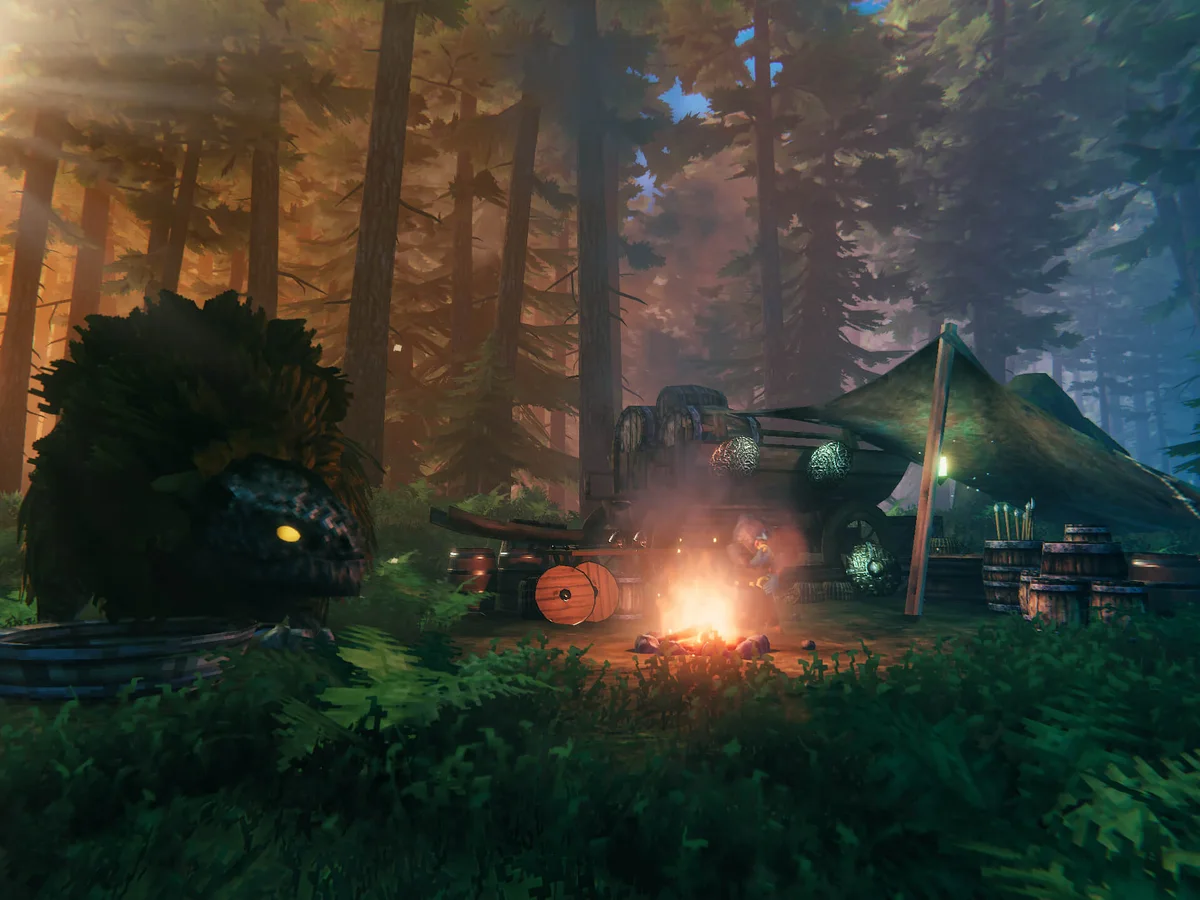
Valheim is not at its best when it simply gives a prepared Viking another place to farm. Its memorable rhythm comes from turning a strange coast into a home, then making that home insufficient for the next hostile horizon. When version 1.0 and the Deep North arrive on 9 September, players can take an established world north and continue that story. But the final biome has a more demanding, and more attractive, proposition: start again. A fresh world does not erase five years of labour; it lets the completed game make its full argument about discovery, preparation and the pleasure of a shared departure.
The map is the progression system
Iron Gate has described Deep North as the final biome and says version 1.0 brings new enemies, weapons and building possibilities. That description is useful, but it understates what a biome means in Valheim. A new region changes the route through the existing ones. Early wood, food, sailing and shelter are not disposable tutorial chores; they are the systems that make later risk intelligible. Arriving in the north with a vault of endgame supplies may be convenient, yet it removes the chain of decisions that makes a distant shore feel earned. The destination matters because the journey keeps asking the player to alter their relationship with a dangerous world.
Independent previews suggest Deep North is designed to reconnect that chain rather than simply crown it. PC Gamer reports that it is closer in scale and character to the Meadows or Black Forest than to the Mountains, while its snow, ice, new resources and threats can still make an unready traveller miserable. PCGamesN likewise describes a region that begins as a quiet winter landscape before becoming more difficult. That combination is promising. A final biome does not have to mean an exclusive room for fully equipped veterans; it can become another place where a small group learns which precautions and tools are actually worth carrying.
Old worlds are a meaningful compromise
There is no moral case for abandoning a beloved settlement. Valheim's houses, docks and awkwardly defended farms are records of friends solving practical problems together, and a long-running server has value precisely because it has a history. Iron Gate has not locked those worlds out. Creative director Robin Eyre told PCGamesN that players who have completed Ashlands and only want to visit Deep North should do so. That is the right practical answer. A 1.0 release should not turn years of co-operative work into a punishment, especially when the game will support crossplay across its newly expanded platform list.
But the same report contains the important warning: the team recommends starting fresh because world changes mean it cannot guarantee an existing save receives everything in the intended way. This is more than technical housekeeping. Procedural survival games attach meaning to first encounters: the first sheltered fire, the first storm at sea, the first ugly outpost built because daylight is running out. A mature save can preserve the buildings while bypassing many of those pressures. The old-world route is a legitimate expedition for players who want it; the fresh-world route is the version most likely to preserve the pacing Iron Gate has been refining since Early Access began in 2021.
Crossplay makes the restart less solitary
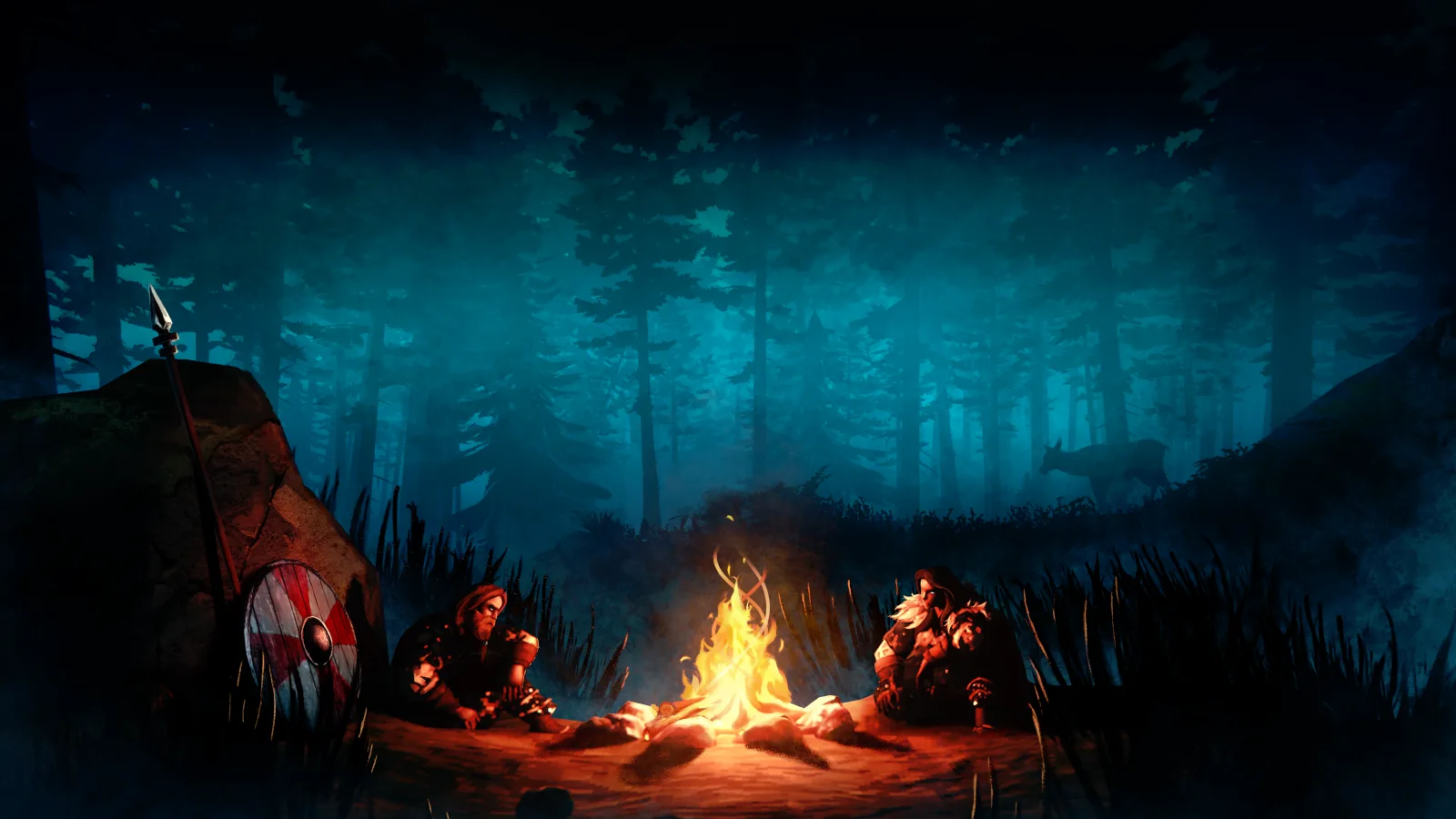
That recommendation might once have sounded like a large social demand. Now it is softened by the scope of the launch. Iron Gate says 1.0 will arrive on PC, Linux and Mac alongside Xbox One, Xbox Series X|S, PlayStation 5 and Nintendo Switch 2, with full crossplay. The important result is not a platform checklist. It is that a new world can be a meeting place for people who did not share the game's five-year Early Access history. A veteran can handle the work of a roof while a console newcomer learns why a nearby workbench changes what the group can build; neither has to be carried through an endgame checklist.
There is still a limitation in turning a restart into a universal prescription. Not every group has the time to rebuild its infrastructure, and the new region may offer enough novelty for a returning party that wants one focused weekend north of its old base. The public material also leaves key details for launch: players should not assume every teased system, dungeon or final encounter works exactly as a guided preview suggested. Starting anew cannot turn unknowns into guarantees. What it can do is keep the group curious about ordinary materials and familiar coastlines, instead of treating them as hurdles already solved before Deep North begins.
Completion should invite another beginning
That is the subtle challenge of a survival game's 1.0 label. It can suggest that a world has been finished and that the correct response is to consume the last piece of content efficiently. Valheim has always been stronger when completion feels provisional: a secure hall exposes a new route, a better ship makes a risky voyage possible, and an impressive larder creates the confidence to leave it behind. Deep North will be judged on its enemies, craftables and final boss, all of which deserve close attention after release. Yet its larger success may be whether it renews the early game without making it feel like an obligation.
The sensible choice is therefore less rigid than the usual restart debate. Keep an old world if its shared history is the point, and use it to see what the new land offers. Start a new one if the group wants Valheim's whole survival arc to carry meaning into its final biome. Iron Gate's caveat makes that distinction unusually clear. The most complete way to meet Deep North is not to arrive as a fully stocked visitor. It is to make the coast, the boat, the mistakes and the long voyage north part of the story again.
Sources
Where this story comes from, and where you can check it.
Official sources
- ValheimValheim Has A Release Date! ↗
- ValheimValheim: For Press & Creators ↗