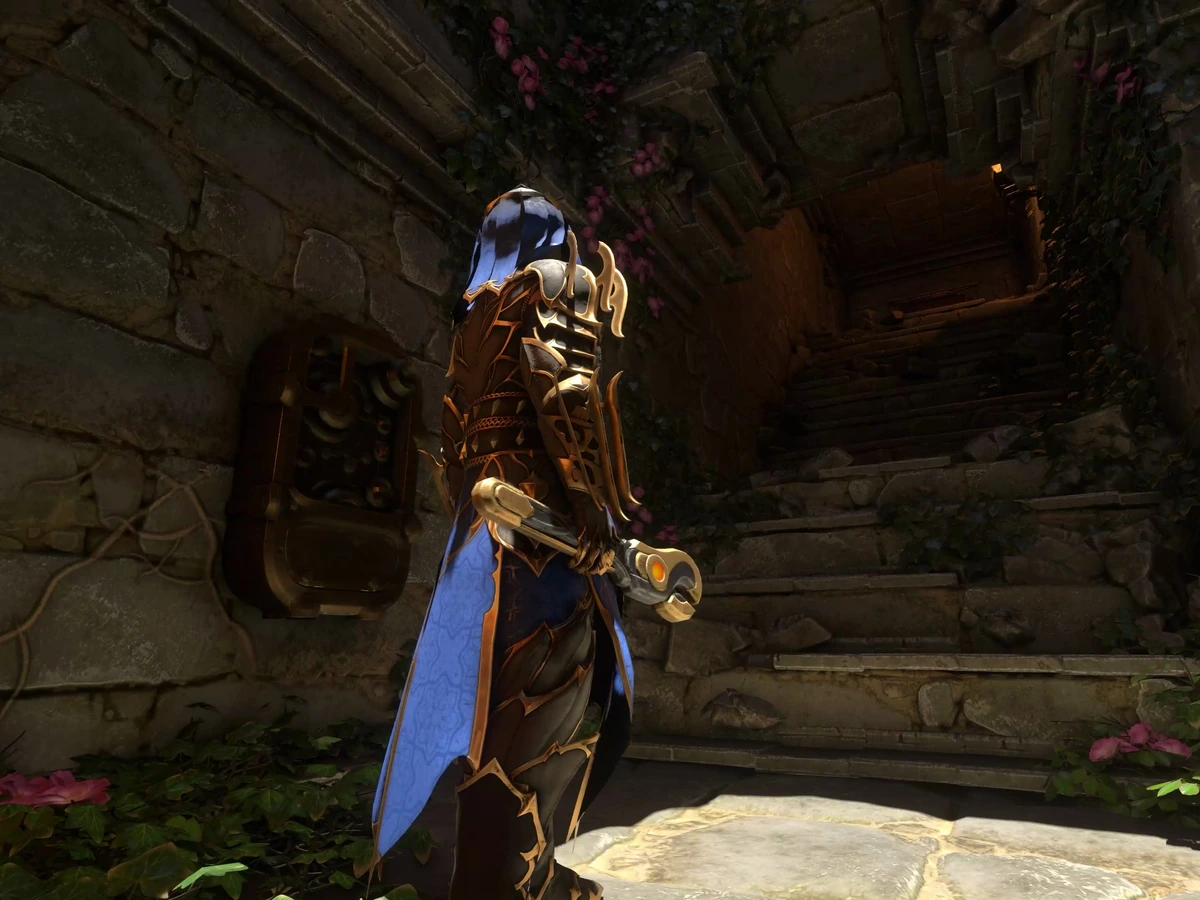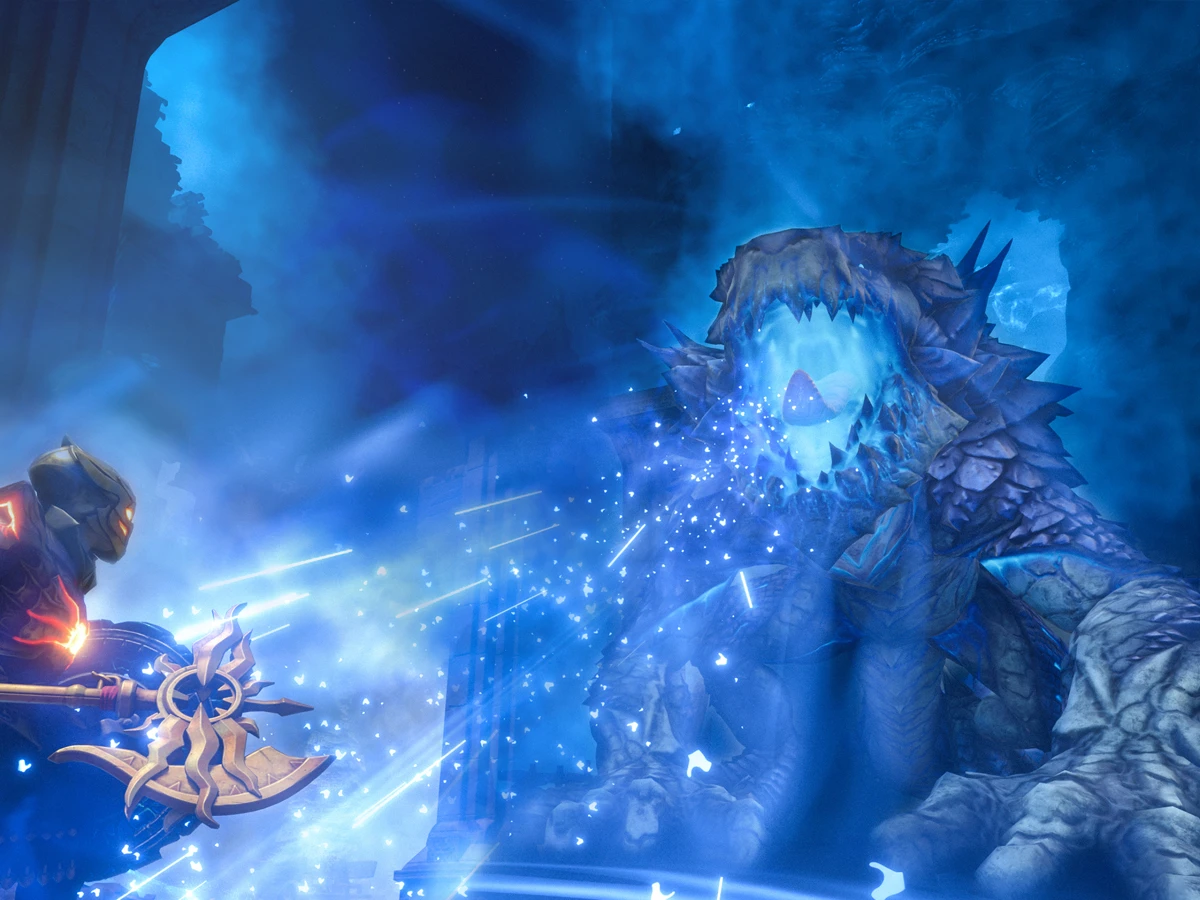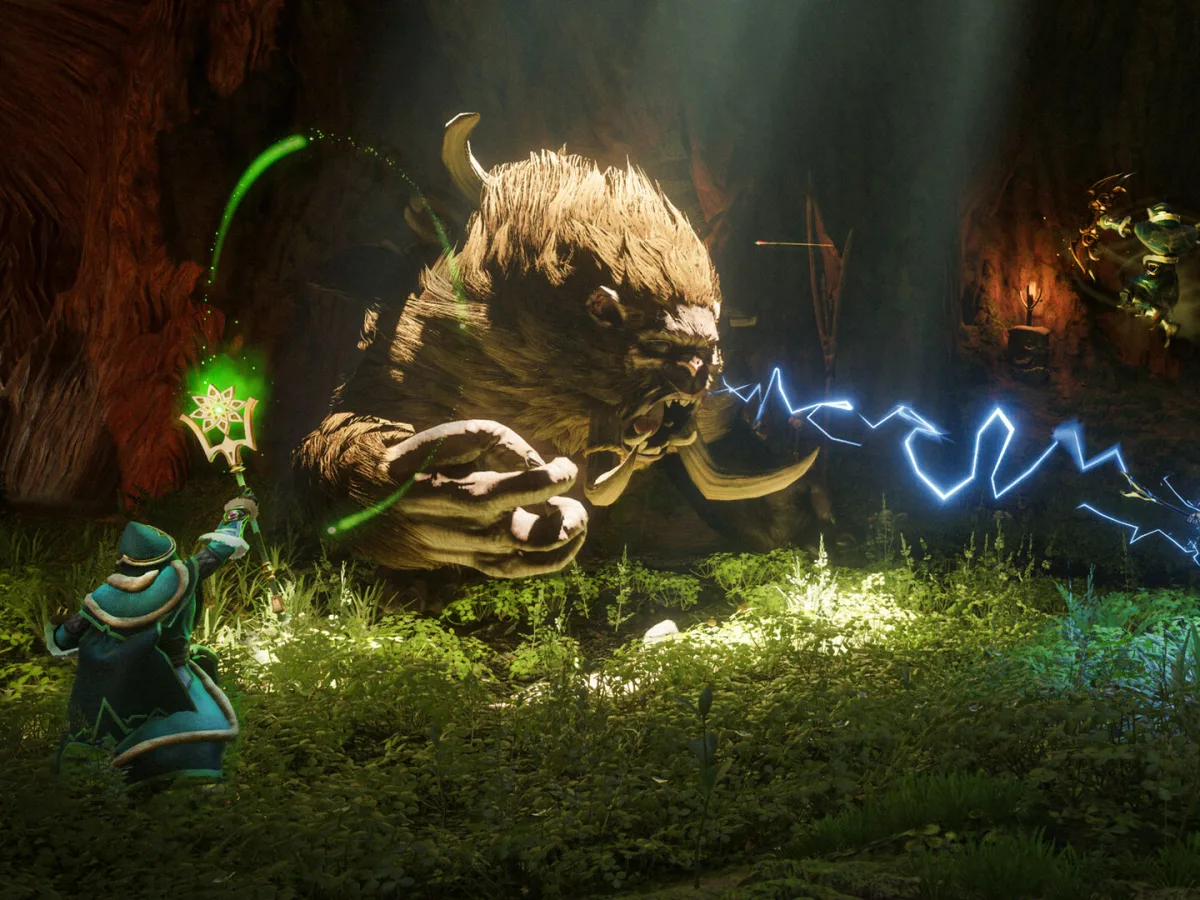
A critical hit lands from the wand, and a ten-second window opens. Swap to the staff before it closes and the next attack gains 50% base damage. That one skill, Blast and Cast, is the clearest sign that Enshrouded's 1.0 mage overhaul is about more than adding nine spells. Keen Games is building a reason to change tools in the middle of a fight, turning two previously separate magic weapons into a small combat rhythm.
The developer detailed the changes on 23 September, ahead of Enshrouded's 1.0 launch on 15 October for PC and PS5. The list is substantial: summons, crowd control, upgraded Eternal spells, new wand attacks, adjusted casting times and improved targeting. Yet the important question is not how many options sit on a hotbar. It is whether those options ask a mage to make different decisions from moment to moment.
The spell list is not the whole repair
Keen Games is unusually direct about the starting problem, writing that mages needed some love. An early-access review from GamingBolt reached a broader version of the same conclusion in January 2024. It found the combat shallow, with many encounters reduced to repeated light attacks and little need to exploit an enemy's weakness. More damage types alone would not solve that. A longer list can still collapse into one safe rotation if every entry answers the same question.
The nine new spells at least suggest different jobs. Mana Drain and Entangle manage resources or movement. Pillar of Flames, Blizzard and Ball Lightning cover space. Fire, ice and shock totems create fixed sources of pressure, while Summon Hollow Skeleton adds a mobile ally. Skill nodes can increase the number of active skeletons or totems, so a caster can begin to shape the battlefield rather than simply fire another coloured projectile at its centre.
Eternal spells are changing too. Keen says 22 top-tier versions will be available at launch, consume no ammunition and can be upgraded with perks. Mana costs and cast times have been rebalanced so quick spells come out faster while larger attacks demand a longer commitment. That distinction gives the expanded catalogue a useful grammar: fast casts can respond to immediate danger, persistent summons can prepare an area, and a heavy staff attack can become the payoff once there is room to finish it.
One critical hit connects the kit
Blast and Cast connects those jobs more convincingly than any headline number. The wand is the quick setup. Score a critical hit and the player has ten seconds to move to the staff for the 50% boost. The staff is no longer merely the other magic weapon occupying an adjacent inventory slot; it becomes the deliberate second beat of a sequence. The bonus is simple enough to read during a busy encounter, but short enough that positioning and weapon switching matter.
The wand has also gained actions that help create that opening. Its heavy attack sends a piercing blast that can intercept weaker enemy attacks. An aerial wand attack produces area damage, and an evasive follow-up sends a wider piercing projectile. Targeting is supposed to favour enemies near the centre of the screen, while fixes address the awkwardness of moving between wand and staff. Taken together, those changes describe a caster who can evade, interrupt, pressure and then commit, rather than stand back and repeat the same cast.
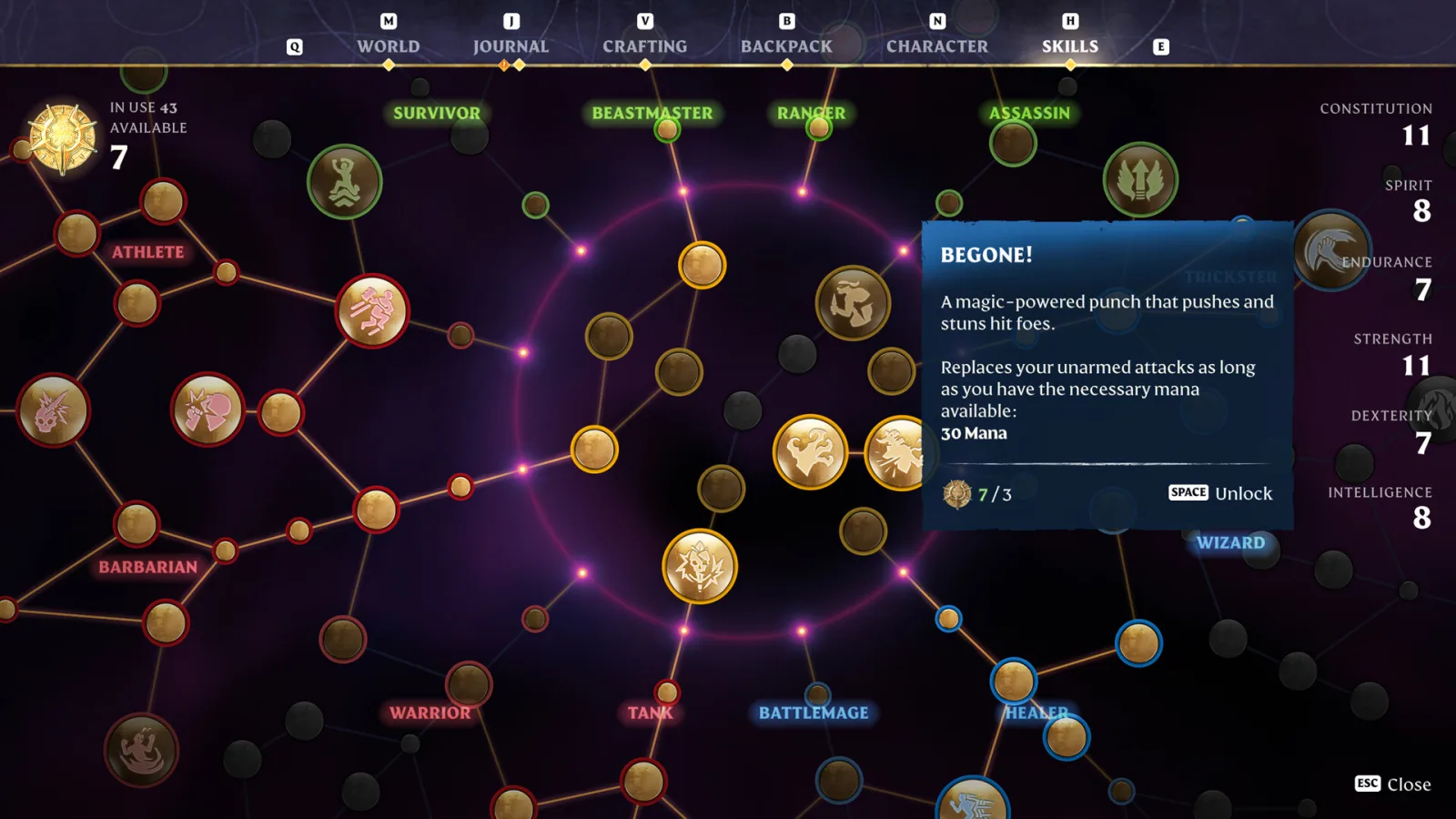
There is still a balance risk. If the damage bonus is large enough, wand-to-staff could become a compulsory rotation rather than an interesting choice. If critical hits are unreliable, it may feel like a bonus that arrives at the wrong moment. The promising part is the intent: one weapon creates a condition that changes the value of another. That is the kind of relationship Enshrouded's combat needs if its new spells are to become decisions instead of collection entries.
New enemies should ask for new answers
The 1.0 world appears designed to test that broader kit. Keen promises new enemy variants across every faction, including heavier and elite versions, alongside a level cap of 50 and gear up to level 55. Millenium's report from a one-hour developer demonstration also describes automata on the final biome's floating islands: multipart enemies armed with cannons and swords. That account is not proof of the finished balance, but it points towards fights where range, movement and target priority could matter at once.
Those are the situations in which a summon or totem earns its place. A skeleton can occupy one threat while the player interrupts another. Entangle can hold a fast target inside a damage area. A piercing wand shot can answer a line of enemies before a staff cast punishes the larger one. The system does not need every spell to be optimal; it needs enough encounter shapes that changing the answer feels smarter than repeating the familiar one.
Enshrouded remains a survival game with building, exploration and cooperative play competing for attention, so combat cannot depend on an elaborate sequence every time a creature approaches the base. Blast and Cast strikes a useful middle ground. It is easy to explain, visible in play and connected to skills that already belong to a mage. If the final enemies reward the rest of the new toolkit with the same clarity, carrying both wand and staff will feel less like inventory insurance and more like choosing how the next ten seconds should unfold.
Sources
Where this story comes from, and where you can check it.
Official sources
- Enshrouded1.0 Combat: changes and additions ↗