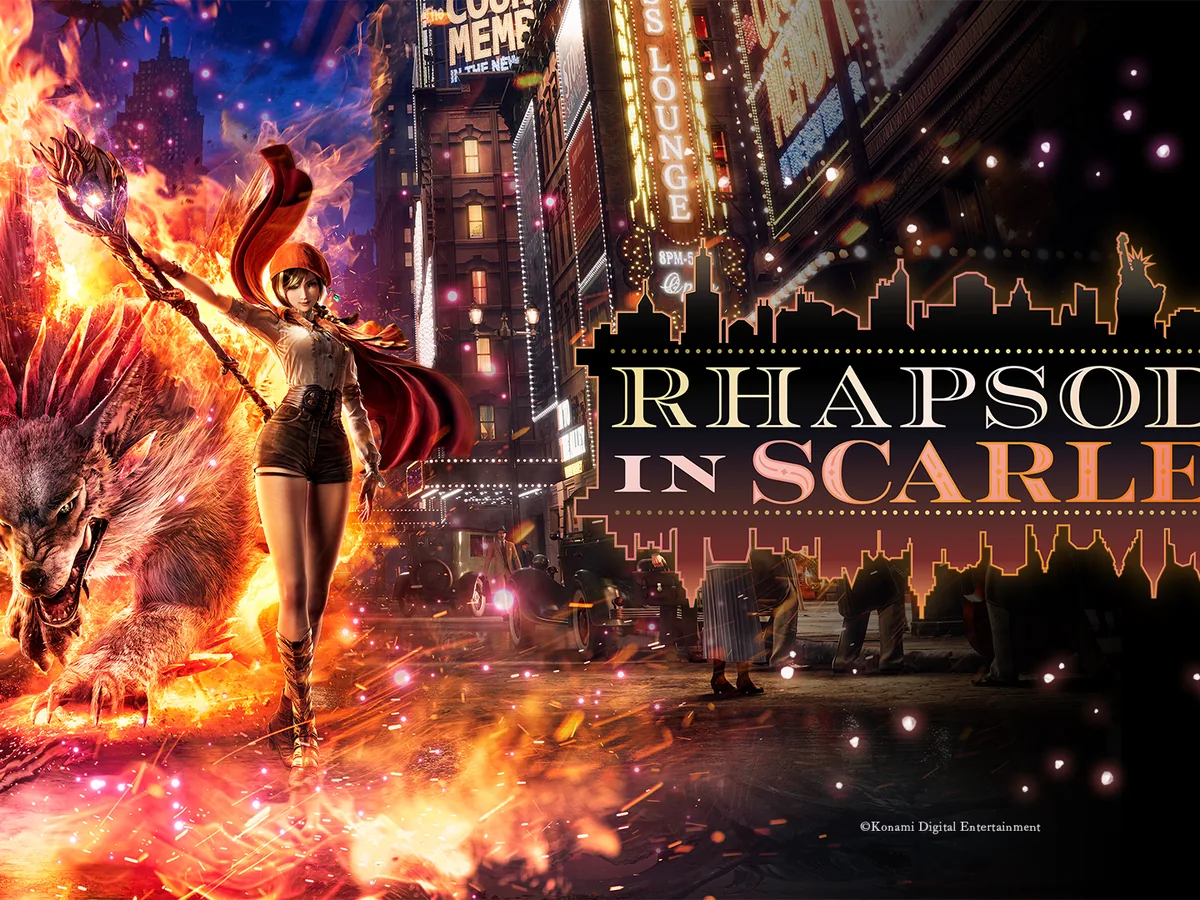
Rhapsody in Scarlet has made a sensible first impression by refusing the anonymous backdrop of so many action-game reveals. Konami's new adventure places a young magus and aspiring jazz singer in 1920s New York, then promises beast-and-magick combos amid its architecture, nightlife and music. That is an attractive bundle of ideas, but it also sets a demanding standard. Jazz is not simply an era-appropriate soundtrack; it is a language of timing, response and controlled surprise. If the game wants that setting to feel essential, its action needs to let players hear that language in the way they move, improvise and recover.
A setting needs a playable consequence
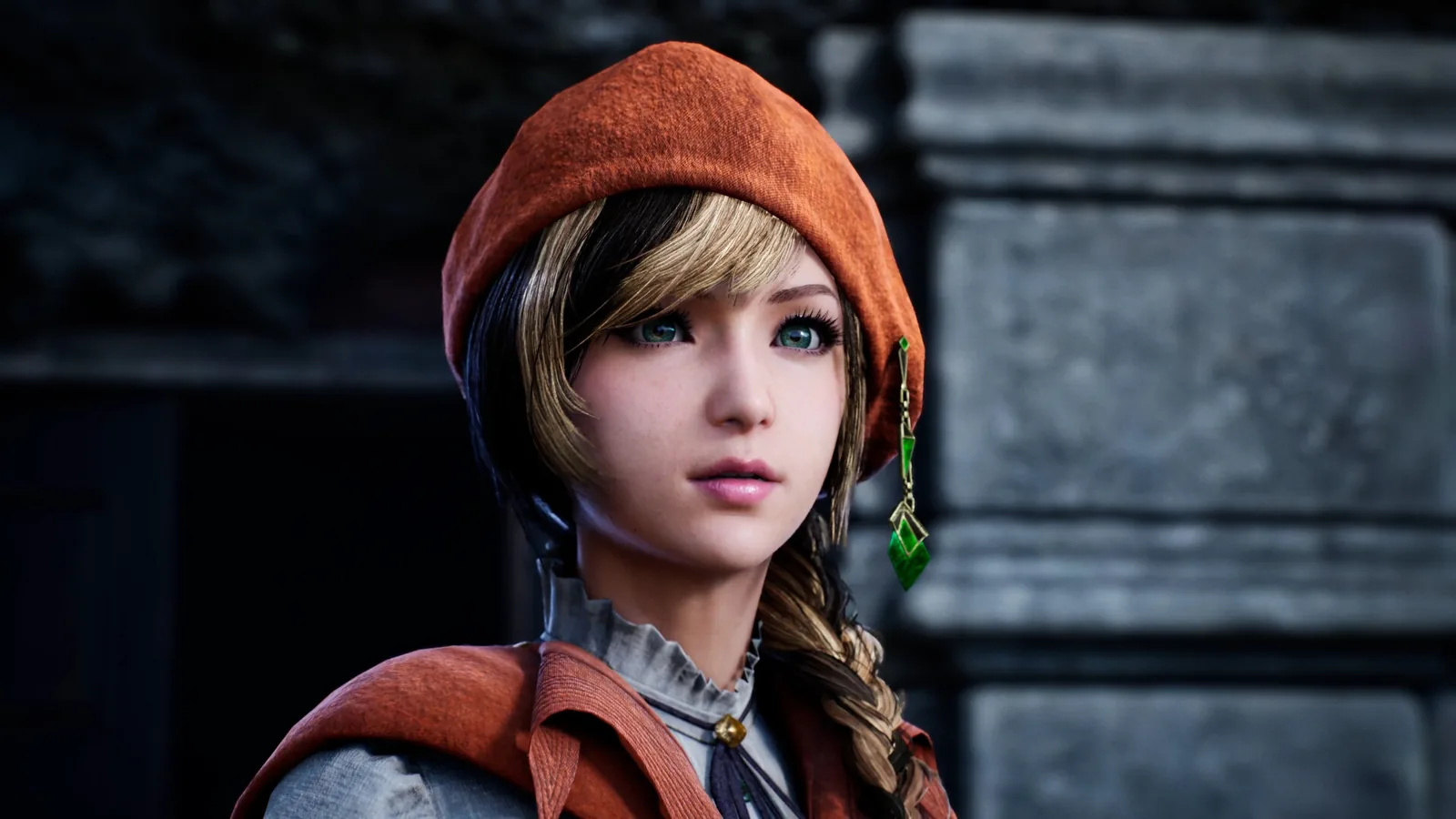
Konami describes Ellie Myers as arriving in New York to pursue singing before a hidden conflict between magic users pulls her into a larger conspiracy. The publisher also says jazz-inspired music will accompany the adventure and that the city's cars, fashion and nightlife are part of the recreation. Those details can establish a specific place far more quickly than another generic fantasy capital. They do not, on their own, make the setting interactive. A player should be able to tell whether a fight belongs in this New York because its rhythms, spaces or pressures behave differently, not merely because the soundtrack does.
That distinction matters when a trailer is selling atmosphere. A period city can be sumptuous while remaining a corridor between encounters, and a named musical influence can become an instruction to the composer rather than the design team. The richer possibility is more modest and more difficult: small variations in pacing, enemy movement or the timing of a reliable escape that reward attention without pretending to turn combat into a music game. The setting does not need a button marked jazz. It needs enough friction and flexibility that a player can recognise a beat, disrupt it and find a new one.
Combo systems already have the right raw material
The confirmed combat vocabulary gives Konami a plausible route there. Its reveal says players can switch between beasts while combining close-range, long-range and area-of-effect magick, adapting as encounters change. Steam similarly frames the game around stacking combos with beasts and magick. That is a familiar action-game pitch, but it is not an empty one. A system with several attack distances and a changeable companion can create call and response: draw a group together, establish control, then cash out an opening before the enemy formation resets. The pleasure comes from recognising when the next phrase should begin.
For that to feel like expression rather than button economy, each option needs a clear interruption point and a cost. A beast that is merely a louder finishing move will make the same statement every time. One that changes the safe distance, delays a vulnerable animation or turns a crowd into a target for another spell can give a player a reason to break a reliable sequence. Konami has not yet explained that level of detail, so this is an analytical hope rather than a confirmed feature. Still, the announced mix of ranges gives the game better material for it than a single-string brawler.
The danger is mistaking spectacle for rhythm
There is a counterpoint to the musical comparison. Fast action can look rhythmic in a trailer because cuts, sound effects and a finished animation have been arranged for the viewer. Playing it can be different. If enemies wait politely for a combo to conclude, or if defensive options erase any need to read a situation, the player is not improvising; they are repeating a rehearsal. The spectacle can still be enjoyable, especially in a debut trailer, but it will not support the broader promise of a city alive with competing energies. Rhythm needs resistance as well as flow.
That is where restraint could make Rhapsody in Scarlet distinctive. Rather than treating every encounter as an excuse to pile on particles and enemies, it could make a few adversaries with contrasting tempos matter more. One opponent might force Ellie to preserve space for a long-range option, another to change beasts before a delayed strike lands. The goal is not punitive precision for its own sake. It is to make attention useful. When a player can understand why a sequence failed, the next attempt becomes a response, and the game earns its musical vocabulary without borrowing the surface of it.
There is time to prove the connection
Konami's own announcement lists PlayStation 5, Xbox Series X|S and PC via Steam, but still gives no date beyond to be announced. GamesRadar's early roundup places the game among releases expected in 2027, while Steam also currently lists it as coming soon without a date. That uncertainty is useful context, not a reason to assume delay or trouble. It simply means this reveal is a premise rather than a finished combat argument. The next useful showing should demonstrate an uninterrupted encounter, including the choices that interrupt a combo and the consequences of changing course.
There is plenty to like in the premise already: an original Konami action game, a heroine whose relationship with music is part of the fiction, and a period setting that has room for glamour and menace. Independent coverage from the State of Play captured that immediate curiosity, even while the publisher remains the source for the mechanics. The meaningful test now is precise. If jazz informs the player's decisions as much as the game's presentation, Rhapsody in Scarlet could make a crowded action genre feel newly attentive. If it remains an excellent coat of paint, it will still be stylish, but less memorable than it first appears.
Sources
Where this story comes from, and where you can check it.
Official sources
- KonamiKonami unveils Rhapsody in Scarlet, a stylish magick-fueled action game set in 1920s New York ↗
- SteamRhapsody in Scarlet ↗