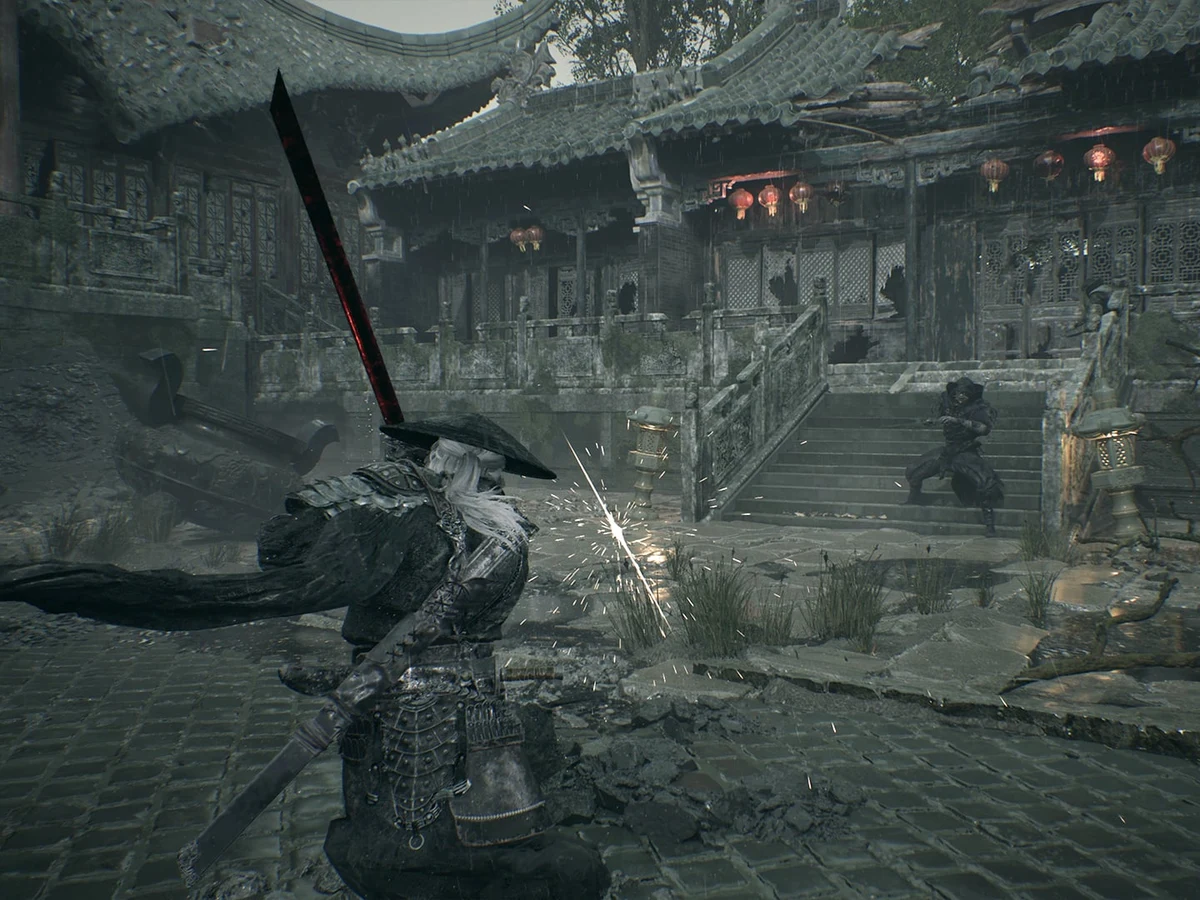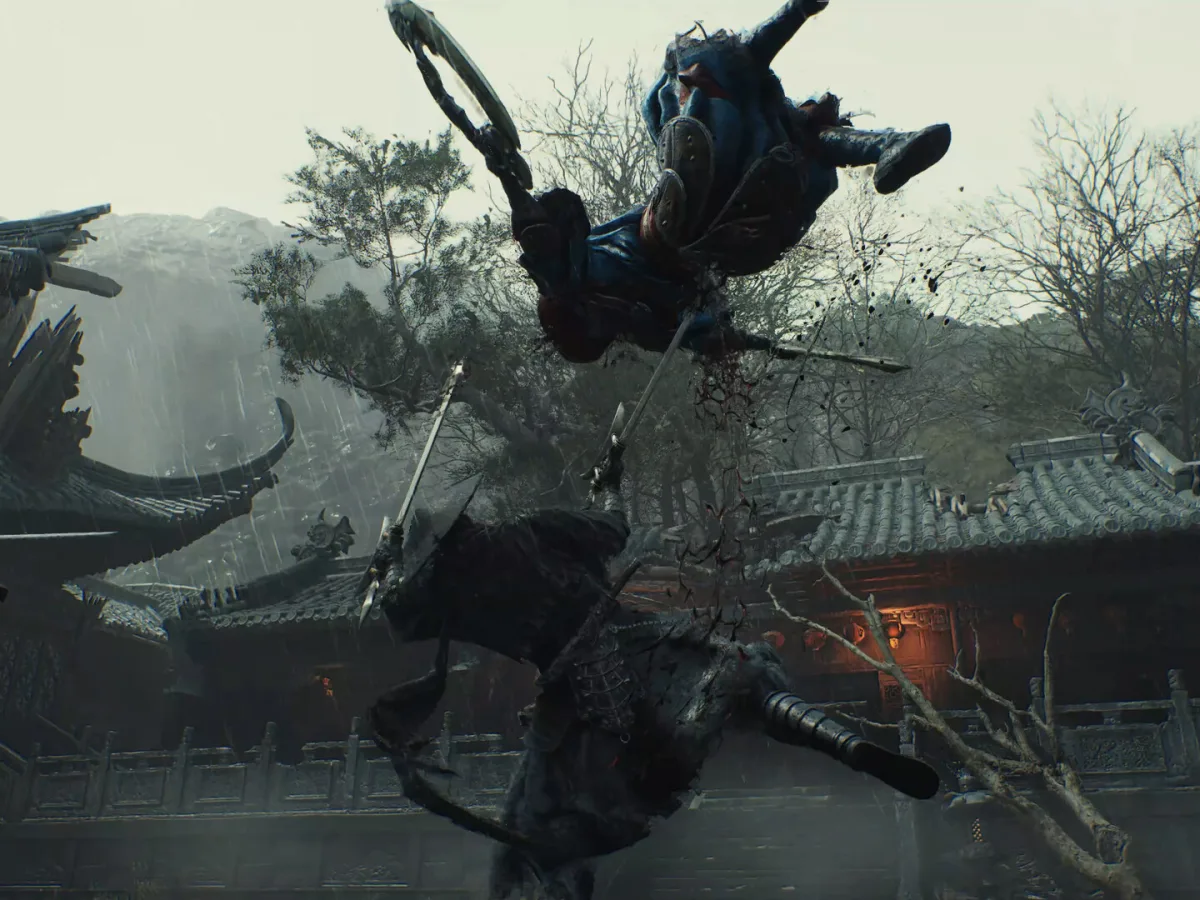
Phantom Blade Zero is making a generous promise that fast action games often struggle to keep: players will find more than 30 main weapons and 25 Phantom Edges, yet they will not be trapped by an early upgrade. That sounds player-friendly, and it is. But an armoury this large can easily turn into a catalogue of animations whose differences matter only to enthusiasts. The interesting question before its October release is not how many blades it can show. It is whether a new weapon can make a player read an opponent, a space or their own appetite for risk in a fresh way.
An armoury needs trade-offs
S-GAME says the primary weapons, Phantom Edges and accessories can be combined into different builds, with summons also available for players who want help at range. The Steam page frames combat as a seamless flow of dodges, deflections, counters and strikes, while the PlayStation presentation calls the wider suite a way to express an individual style. Those are useful foundations, but they do not automatically create meaningful variety. A weapon choice becomes interesting when it changes the timing a player wants, the distance they protect or the opening they are willing to leave. A higher damage number is not enough.
That distinction is particularly important for a game selling the texture of martial arts. The studio says its techniques are rooted in traditional forms and that veteran choreographers contributed to the motion work. Players should be able to feel more than a difference in reach or particle effects. A slower tool might make a delayed enemy attack inviting rather than frightening; a shorter one might turn the same exchange into a close-range gamble. If every route eventually rewards the safest string of inputs, the armoury becomes a costume rail. If it changes the question a fight asks, it becomes part of the game's language.
Refunding investment changes the risk
The most encouraging detail in the August deep dive is not the total itself, but the reforge system. S-GAME says players can recover materials from an upgraded weapon and put them into another one. That removes a familiar action-RPG anxiety: the fear that trying a strange option will spoil a carefully accumulated build. It should make discovery less like buying a permanent ticket and more like testing a proposition. A player can give a difficult weapon a fair chance, discover that its rhythm does not suit them, and move on without treating curiosity as a mistake.
There is a counterpoint. Cheap respecs can flatten commitment if weapons are balanced as answers to a single obvious problem. When every boss has one efficient counter, a refund system turns preparation into homework: inspect the encounter, change gear, repeat. The better use is to support interpretation. Two players can see the same enemy differently, one preferring an evasive response and another building around pressure, while neither is visibly choosing the wrong game. That kind of flexibility can make defeat informative rather than simply expensive. The system has to preserve a reason to learn a tool, not merely replace it.
Difficulty needs an honest role
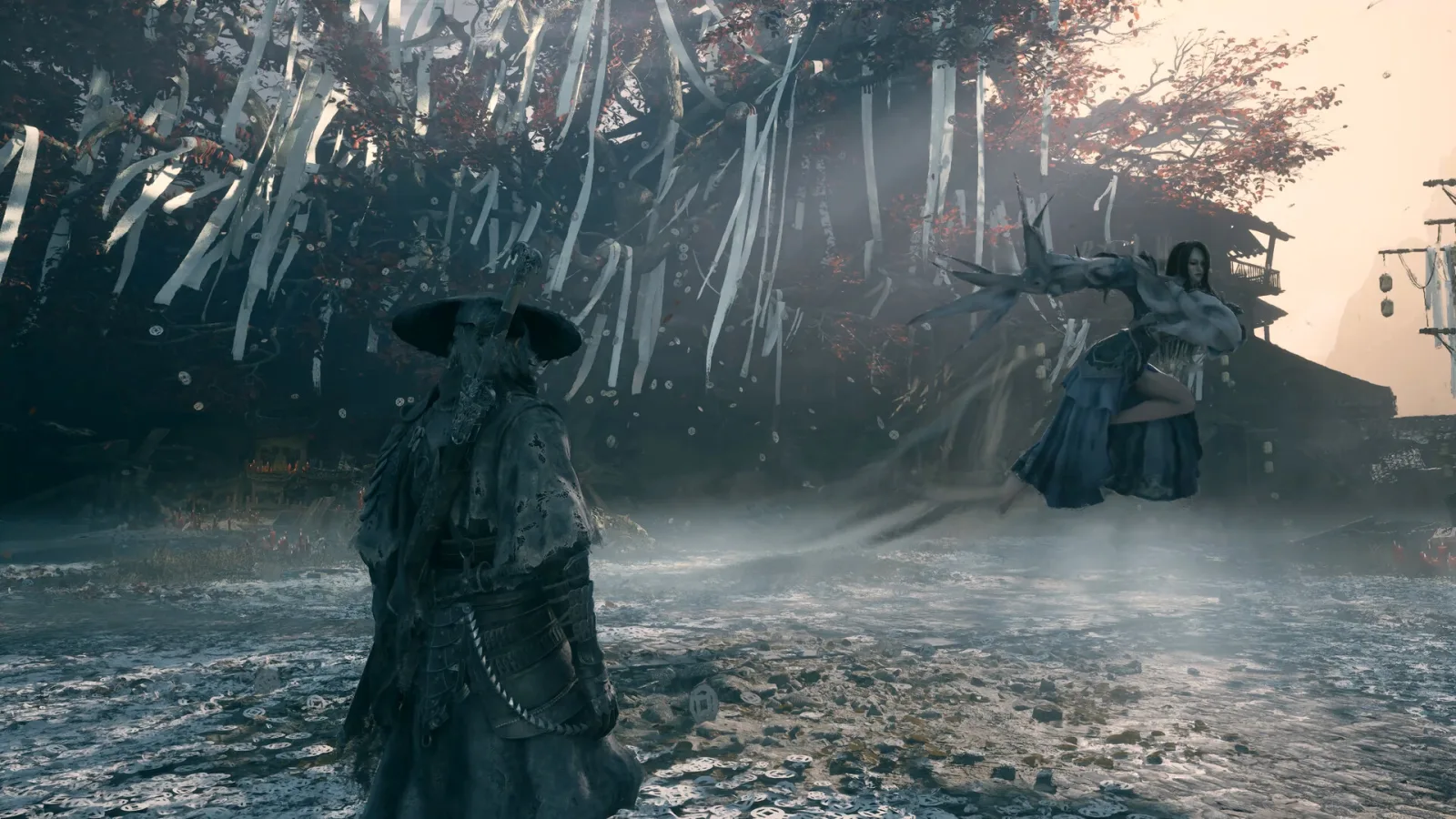
The announced difficulty range gives the armoury another responsibility. Wayfarer mode is presented as a route for players who chiefly want the story, while Hellwalker raises the challenge with more advanced and adaptive enemy intelligence; Sixty-Six Days is the severe option. Those settings can widen the audience without reducing the value of a demanding combat system. Yet they will only do so if the weapon choices remain legible. A mode that merely makes enemies absorb more damage can hide the very timing and spacing distinctions that give a build its character.
The strongest version of this design lets difficulty alter the pressure but keeps the conversation clear. A more forgiving setting can still teach why a deflection is useful; a harder one can demand cleaner recognition without making every other response worthless. That is also why the game should resist presenting weapon count as a substitute for accessibility. More options are helpful only when a player can understand what they are choosing between. The studio has promised a combat system that is easy to learn and rewarding to master. The sequence matters: learning needs visible consequences before mastery becomes satisfying.
The delay raises the standard
Phantom Blade Zero is currently due on PC and PlayStation 5 on 28 October, after S-GAME moved it from its original September date. The developer has said the extra time is for defined improvements, including character models, environments and ensuring the visual impact survives without ray tracing. PC Gamer reports that the team is also trying to make the Unreal Engine 5 game practical on Steam Deck-class hardware. Those are sensible priorities for a game whose appeal rests partly on motion, clarity and the ability to read a charged exchange at speed.
They also sharpen the expectation around the armoury. A beautiful counter is easy to sell in a trailer; a useful build is harder to prove until players have faced repeated problems with it. Independent reporting from an earlier demo suggested a fast action game rather than a conventional soulslike, with no experience-point distribution or corpse-recovery loop. That leaves combat decisions carrying more of the game's identity. If the final version makes its many weapons distinct ways to think, reforge and respond, its generosity will be genuinely liberating. If not, it will have plenty to show and less to say.
Sources
Where this story comes from, and where you can check it.
Official sources
- SteamPhantom Blade Zero ↗
- PlayStation.BlogPhantom Blade Zero State of Play dives deep into combat and the Wulin world ↗
- Steam CommunityA Letter From Creative Director ↗