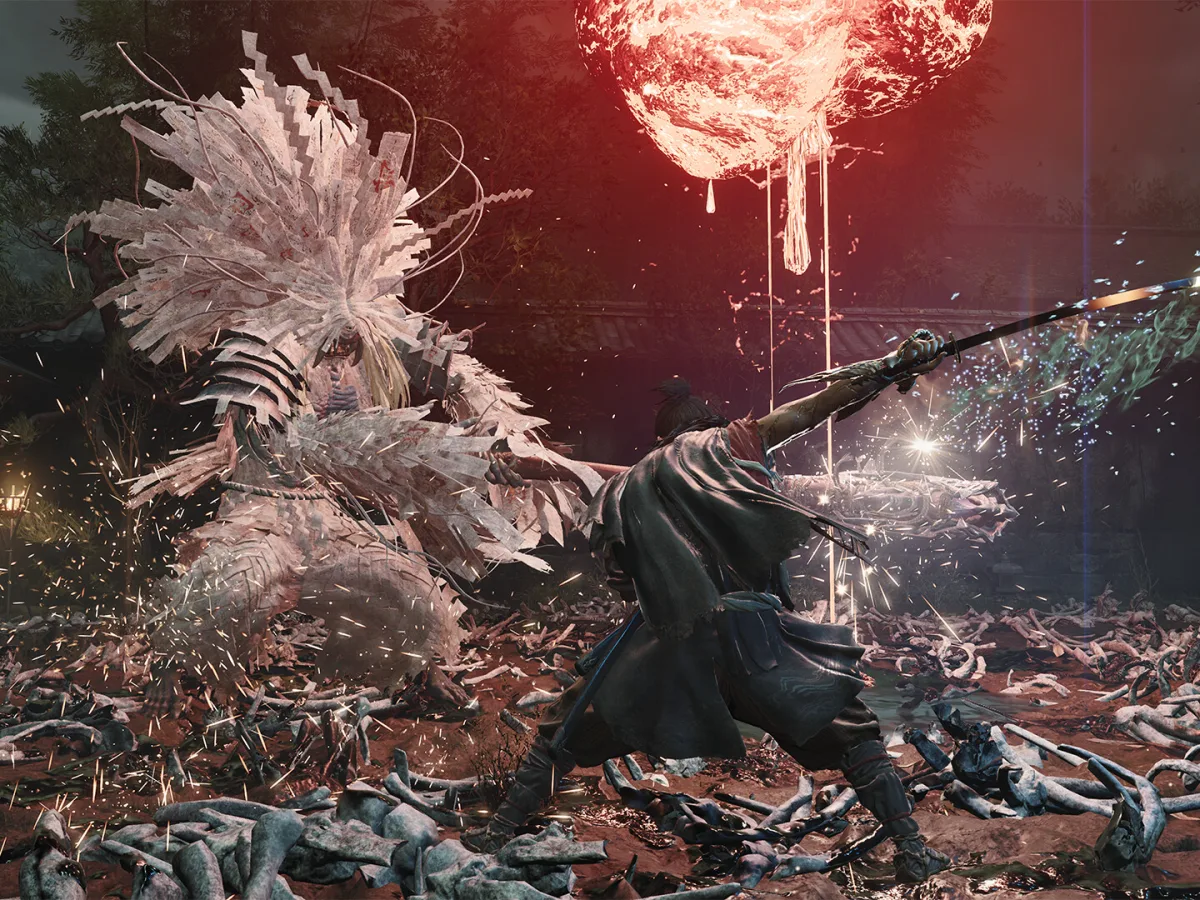
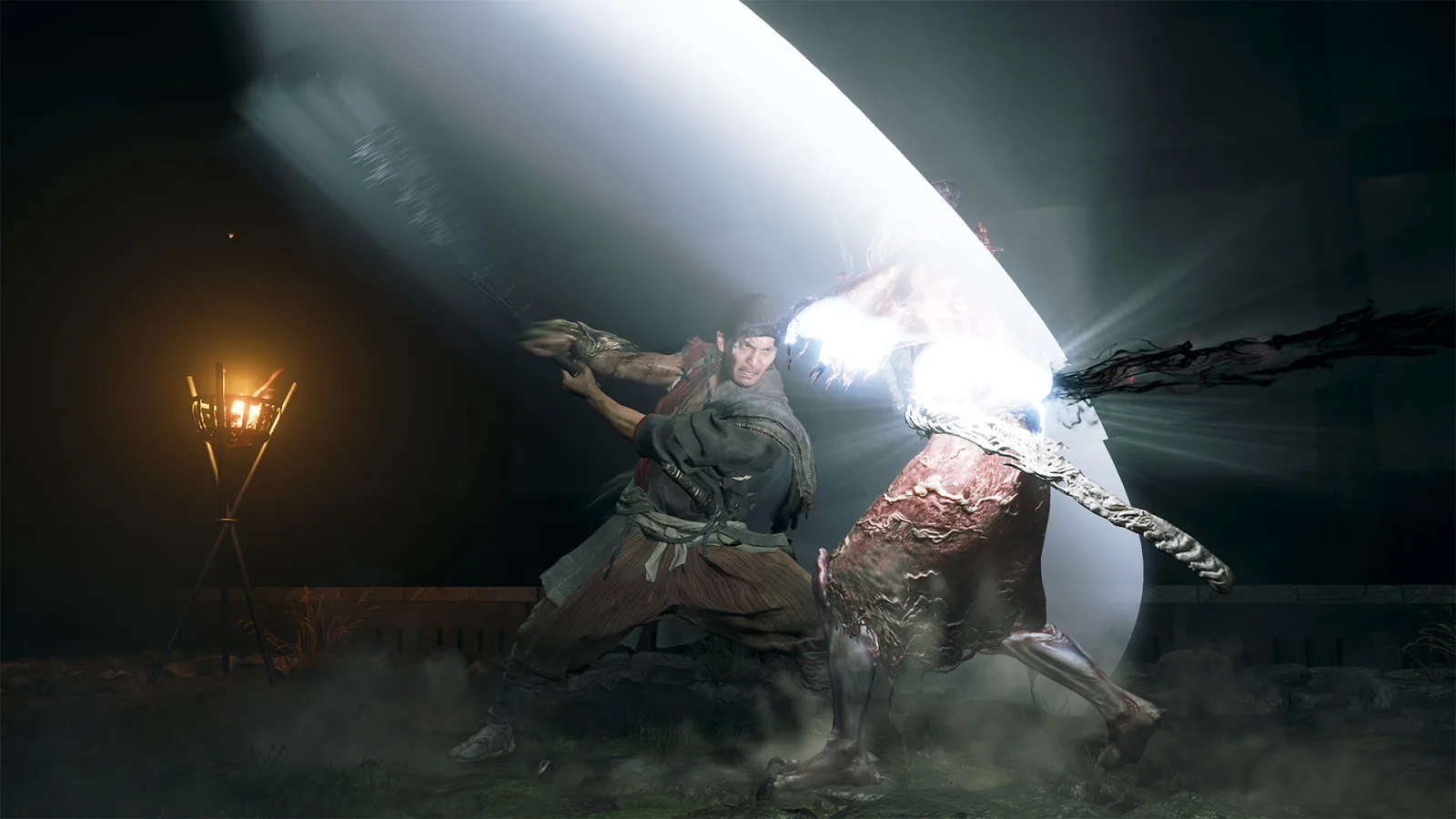
Onimusha: Way of the Sword is now available on PC, bringing Capcom's long-dormant samurai series back as a modern action game rather than a remaster. The important launch detail for prospective players is not only its return to Edo-period Kyoto: the Steam listing sets a firm Windows 11 and SSD baseline, even at minimum specification. That makes the first decision a practical one. Before buying, check the operating system, available storage and graphics card rather than assuming an older PC that handled the earlier games will be a match.
A new PC release with a clear baseline
Capcom moved the game's release forward from 25 September to 4 September, and the Steam page is now live for Windows. It lists a 64-bit version of Windows 11, 16 GB of RAM, DirectX 12 and 50 GB of free space as minimum requirements. An SSD is explicitly required. The minimum GPU line is a GeForce GTX 1660 with 6 GB of video memory or a Radeon RX 5500 XT with 8 GB, paired with an Intel Core i5-8400 or AMD Ryzen 3 3100. Those are not unusual parts in a current PC release, but the operating-system floor is notable for players still on Windows 10.
The page's performance targets should be read as publisher estimates, not a guarantee for every system. Capcom says the minimum configuration is intended for 30 frames per second at 1080p on the Low preset while using upscaling, and warns that performance can dip under excessive load. Its recommended target is 60 frames per second at 1080p on Medium, again using upscaling. That step asks for an RTX 2060 Super or RX 6600, an Intel Core i5-10400 or Ryzen 5 3600, and the same 16 GB of RAM and SSD requirement.
Upscaling is part of the requirement, not an extra
The Steam specification gives unusually useful detail about how those targets are derived. It says Super Resolution is available through NVIDIA DLSS 4.5 and AMD FSR 3.1, while the performance estimates were made with DLSS 4.0 and FSR 3.1. In other words, the advertised 30 fps and 60 fps targets are not native-resolution promises. Players deciding between a settings compromise and an upgrade should treat upscaling as part of the expected configuration, then adjust from there once the game is installed.
Independent early PC coverage suggests there is room above those published baselines, while remaining system-specific. PC Gamer reviewed the game on a Radeon RX 9070 XT with an Intel Core i5-13600K and 64 GB of DDR5 memory, reporting frequent 120 fps at high settings with FSR4 set to Quality, alongside brief loading and cutscene hitches. That is one outlet's result on a powerful machine, not a benchmark for all hardware. It does, however, reinforce the value of Capcom's own caution that frame rate can vary when the game is under load.
Storefront features and handheld expectations
For the Steam version, the listing confirms single-player play, Steam Cloud, achievements, trading cards, HDR availability and full controller support. It also lists English, French, Italian, German, Brazilian Portuguese, Russian, Japanese, Simplified Chinese and Korean among the languages with full audio, with additional interface or subtitle languages. Capcom's PC package incorporates Denuvo Anti-tamper and carries a five-PC-within-one-day machine activation limit. That is a purchase consideration for anyone who regularly changes hardware or maintains more than one gaming PC.
Steam marks the game as Steam Deck Playable rather than Verified. That designation means Valve has identified limitations rather than promising a fully seamless handheld experience, so it should not be mistaken for a performance rating. PC Gamer's launch guide likewise notes that preloading was available on Steam, while it reported no preload on the Epic Games Store. Capcom's official release-date announcement confirmed PC alongside consoles; its trailer announcement specified Steam, the Epic Games Store and Microsoft Store for PC. Store availability and preloading are separate questions, and can differ.
For players who meet the baseline, the immediate next step is straightforward: install to an SSD, update graphics drivers, use the listed 1080p presets as a starting point and leave upscaling enabled before judging performance. Players on Windows 10, with 8 GB of RAM, or without an SSD should hold off rather than relying on the older series' modest history. The release itself has been well received by PC Gamer, whose review praised its sword combat while criticising pacing, but hardware fit comes first. This is a current big-budget PC release with requirements that deserve to be taken literally.
Sources
Where this story comes from, and where you can check it.
Official sources
- CapcomOnimusha: Way of the Sword Release Date Moved Up to September 4! ↗
- SteamOnimusha: Way of the Sword on Steam ↗
- Capcom USAOnimusha: Way of the Sword - Official Release Date Trailer ↗