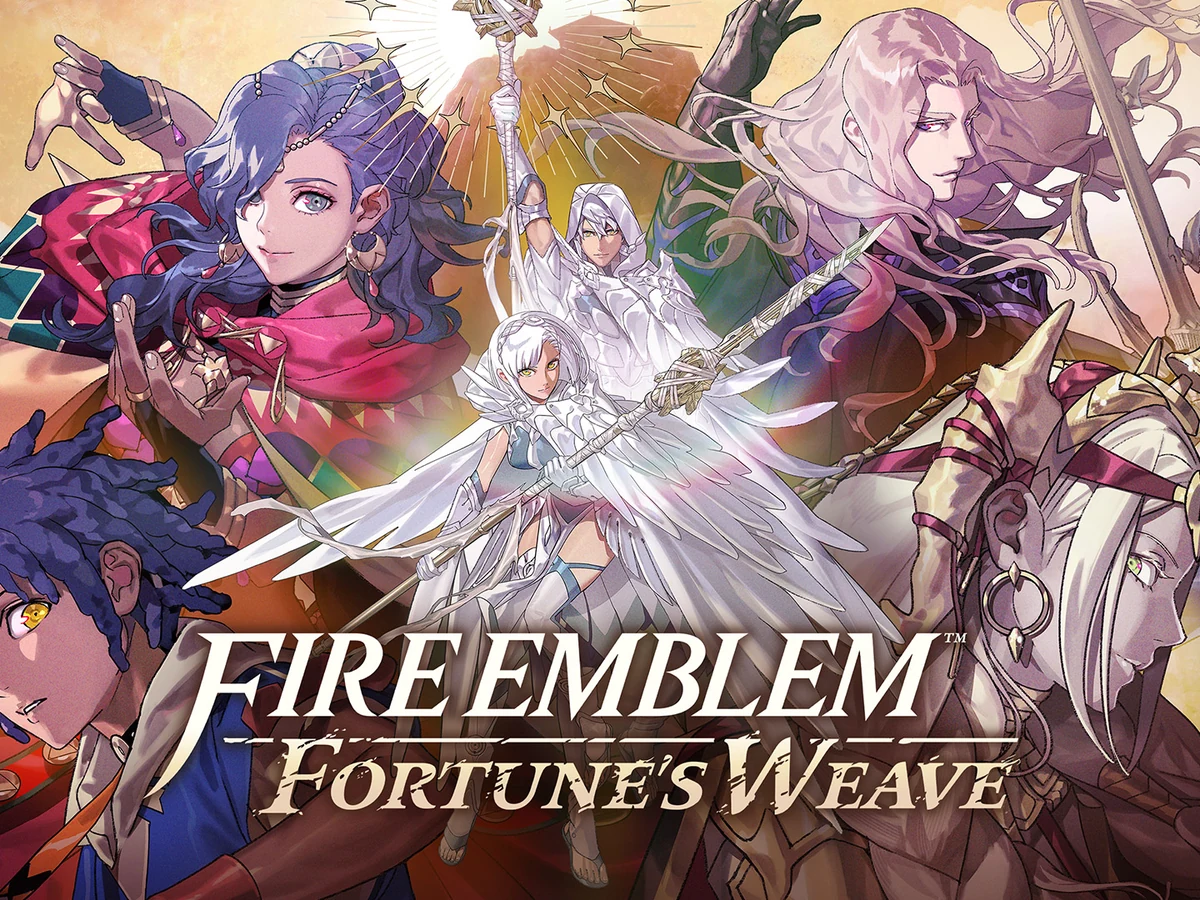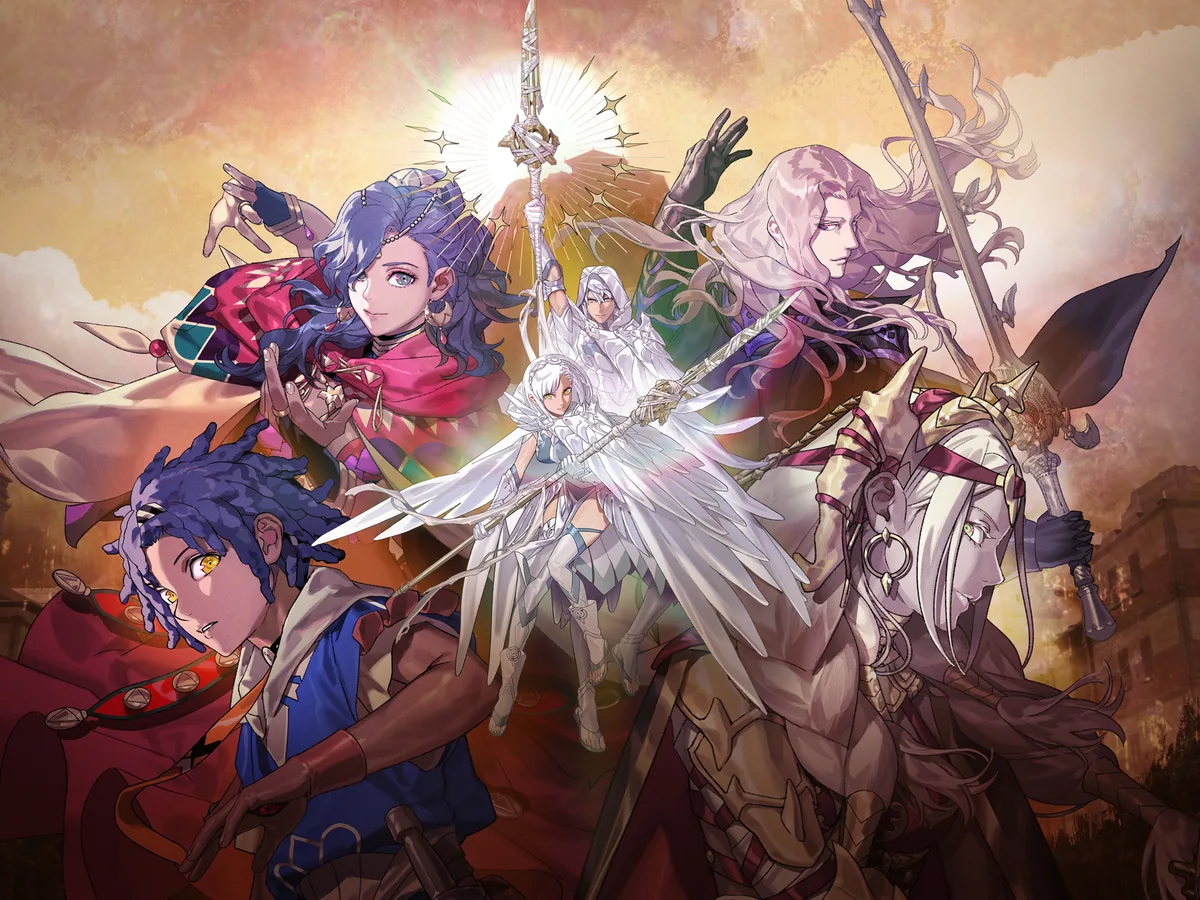
Fire Emblem: Fortune's Weave begins with a choice that looks familiar: pick one of four heroes and follow their story. The useful twist is that this is not a door closing behind the other three. You can play the four routes in any order and switch whenever you like, and the campaign brings the people, places and discoveries from those journeys together. That makes the opening selection less like choosing a favourite house and more like deciding which thread to pull first. That's the game's most interesting idea: a multi-route strategy RPG that wants the routes to cooperate before their heroes do.
That distinction is easy to miss beside all the familiar Fire Emblem business of grids, classes and recruits. The four leads - Cai, Dietrich, Theodora and Leda - are competing around Dagsion's Heroic Games, but they are not four versions of the same campaign. Their stories have different concerns, and their activities are meant to leave traces for one another. The result is a more sociable kind of structure: one path can teach the player something useful for another, rather than existing as a second save file for the very committed. It gives the idea of seeing every perspective a practical reason beyond simple completionism.
A choice that does not lock the door
Nintendo's developers say there is no correct order for the four stories and no irreversible choice in how they are approached. A player can finish one hero's material before moving on, or leave a route midstream to investigate somebody else. That is a small rule with a large effect on the mood of the game. A conventional branch asks a player to live with an early allegiance; Fortune's Weave treats curiosity as part of the plan. Meeting another protagonist from a different angle is not a failure to commit. It is how the campaign fills in the picture it has deliberately split apart.
So this is one playthrough told from four perspectives that run towards a shared finale, not four full campaigns to finish separately. The menu that lets you sample four protagonists is only the start: changing viewpoint is meant to pay off, so a character who seems remote in one story gains weight when you reach another.
Each route needs its own habits
For that handover to feel worth making, the paths need more than different dialogue. Nintendo says Cai can catch and care for animals, work fields and trade the harvest; Dietrich earns and improves combat arts by hunting difficult enemies; Theodora recruits soldiers and deploys them as battalions; and Leda performs in taverns for rewards or information about secret places. Those are specific enough to change what the player looks for on the map. Cai's day can be about a field or a mount, while Dietrich's can send the same player towards a duel rather than another identical errand.
The cleverer part is that the routes do not keep every discovery in separate boxes. Nintendo says locations opened on the world map eventually become available when another path starts. It also says an animal caught for Cai can later be unlocked for other paths, while the name given to it persists. That is a lovely, modest detail. It makes the shared structure tangible without pretending that all four heroes should play alike. Progress is not a magic duplication machine; it is a record of having spent time in Dagda from more than one direction.
The final army has to remember the journey
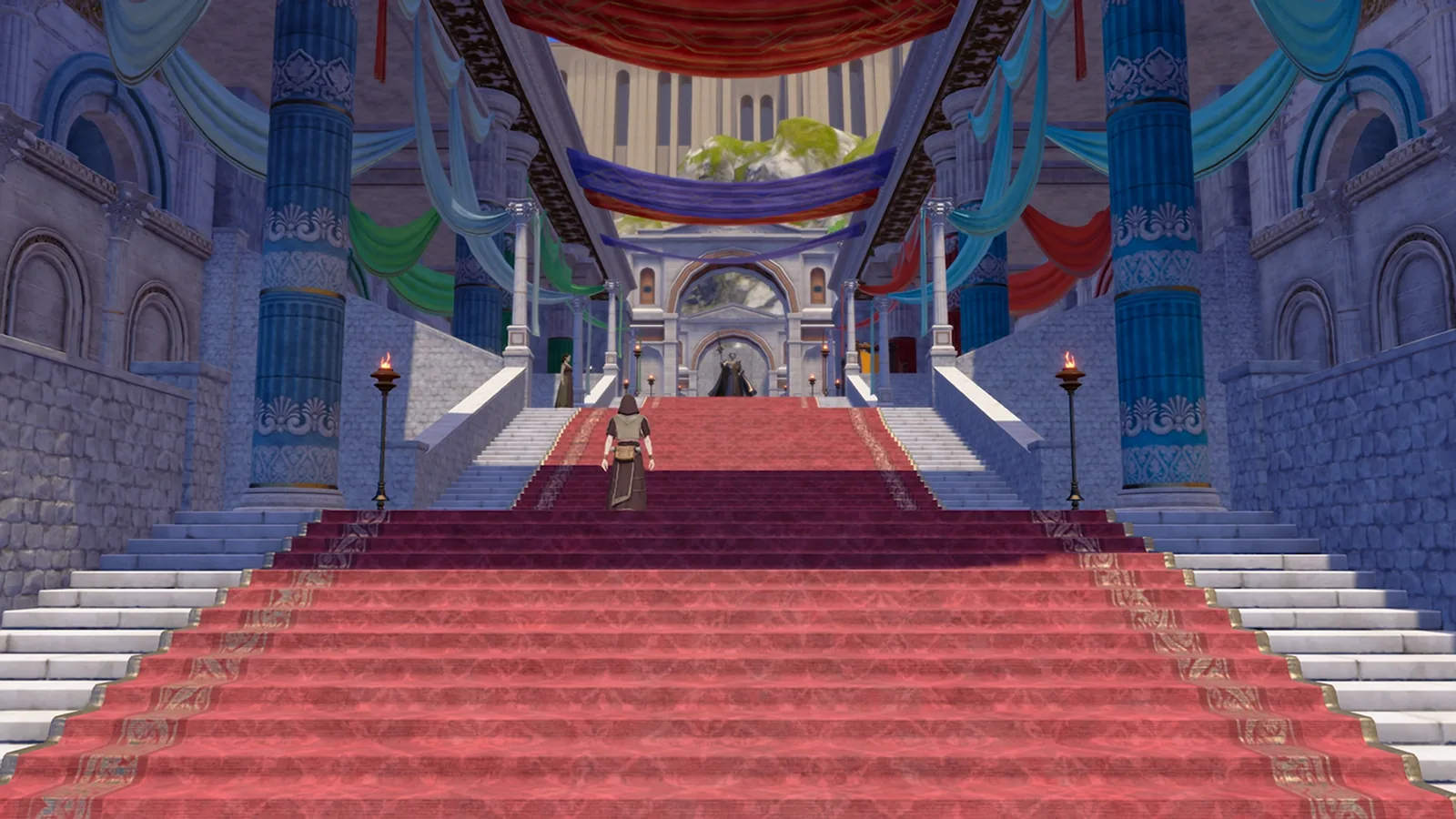
Fortune's Weave's campaign only earns this architecture if those accumulating pieces mean something when the parties meet. Nintendo says recruited characters and the experience built in each path ultimately come together for the final battle. That gives the early freedom a useful destination: the player is not just collecting perspectives for a lore file, but deciding what sort of force will exist when the separate stories finally need to act as one.
There is a real risk in any game that calls itself enormous. If every route is padded with the same chores, the ability to switch becomes another thing to manage. Shared progress can't make every activity charming. But the central design is more thoughtful than a pile of routes. Fortune's Weave makes the player carry knowledge, unlocked ground and eventually allies between its heroes. Four stories become one campaign not because the game says they are connected, but because it keeps finding small ways to let one path remember another.
Sources
Where this story comes from, and where you can check it.
Official sources
- NintendoFire Emblem: Fortune's Weave for Nintendo Switch 2 ↗
- NintendoAsk the Developer Vol. 23: Fire Emblem: Fortune's Weave - Part 2 ↗