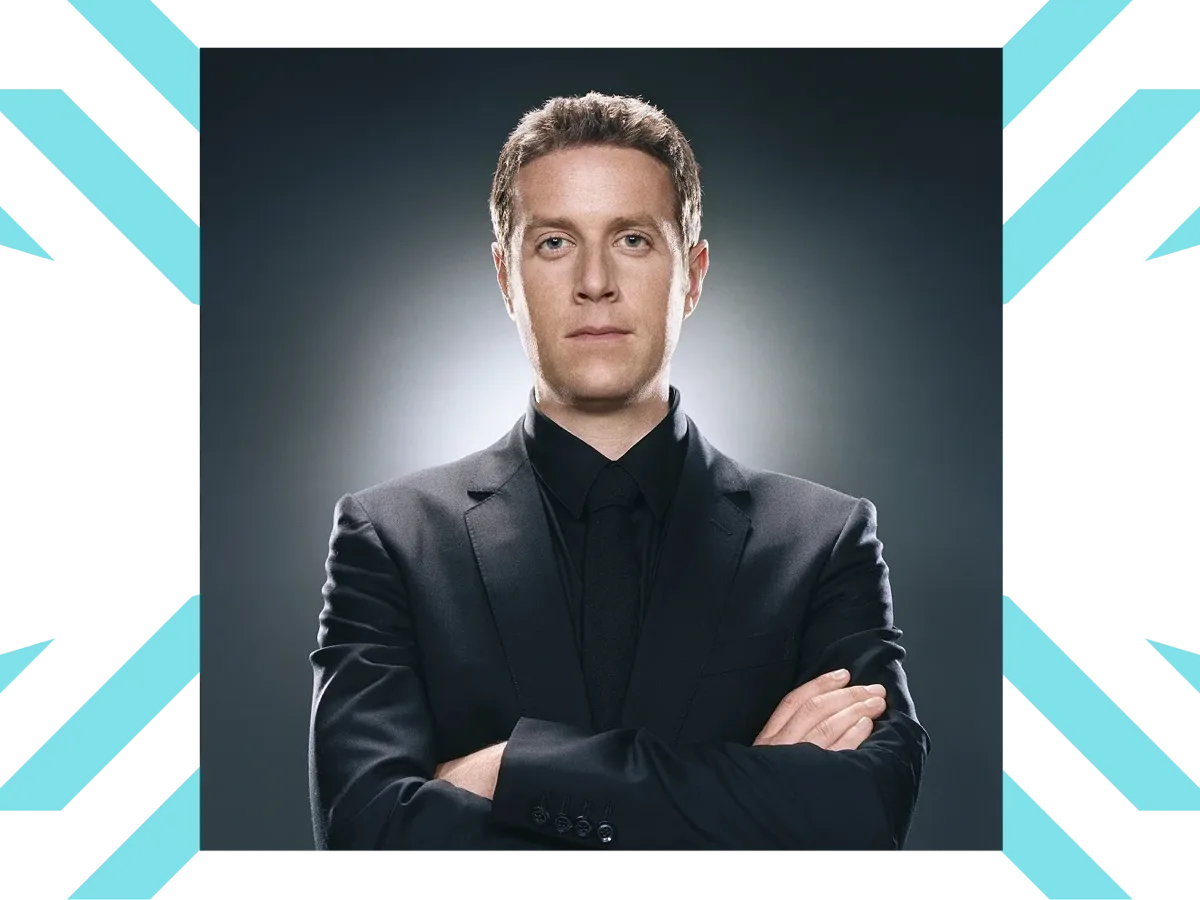
For graduates trying to turn a final project into a first game, the hardest part is often not the idea. It is finding enough time and money to keep working after university ends. Mark Cerny and Geoff Keighley's newly announced Nova Games Foundation says it will address that gap with grants for 20 young game designers each year. The important detail is its stated funding model: recipients would keep ownership of their work, while Nova says it will not take equity or seek repayment.
A grant with a specific target
According to Game File's report on the launch, Nova will accept applications from December from people graduating in 2026 and 2027 at 13 affiliated game programmes across eight countries. The named institutions include Abertay University in Scotland, New York University, the University of Southern California, Cnam-Enjmin and RMIT. The initial selection is therefore deliberately narrow: it is a fellowship route for graduates connected to partner courses, rather than a general open fund for every new studio.
The foundation plans an initial grant of $100,000 for each of 20 fellows annually. Around a quarter could be eligible for up to $500,000 more when projects are progressing well, with payments tied to development milestones. That is substantial early-stage support by games standards, but it is not an automatic production budget for every applicant. Nova still has to explain its published eligibility rules, assessment process and what evidence will be required at those later milestones.
Why the ownership promise matters
Funding is not all the same. Equity means a funder receives an ownership stake; recoupment means money is paid back from future revenue. Game File reports that Nova says it will do neither, while fellows will own their games and remain free to approach publishers and platforms. If the programme is delivered on those terms, a recipient has more room to decide whether to self-publish, sign a publishing deal, or change direction without a foundation holding a commercial claim over the project.
That does not remove the risks faced by a first-time team. A grant cannot guarantee a finished game, a sustainable studio or an audience, and milestone funding can still leave difficult decisions when a project grows beyond its first plan. The more modest but real consequence is runway: a designer can spend time making and testing a game without immediately exchanging ownership for capital. In a market where entry-level routes are constrained, that is a meaningful form of leverage, not a cure for the wider hiring problem.
Mentoring is part of the offer
Nova also says it will pair grants with mentoring and promotion. Game File reports that John Maconga has been hired as executive director and former Game Developers Conference director Ashley Corrigan will lead grants, while Josef Fares has pledged a donation and his time. Mentoring can be useful where a graduate needs practical help with scoping, pitching, hiring or shipping. It is less useful as a headline than as a service, so the quality of the programme will depend on access to working advisers and on how much contact fellows actually receive.
The foundation has been taking shape for months. A January recruitment post from Aspen Leadership Group described Nova as a nonprofit in its inception stage, seeking an executive director to set up grantmaking, mentoring and governance before applications opened. That history makes the September announcement look like the public start of a planned organisation rather than a one-off prize. It also underlines the unglamorous work still ahead: hiring, selection processes, financial controls and a method for making fair calls across partner institutions.
What we do not know yet
Cerny and Keighley told Game File that each made multi-million-dollar donations to establish Nova and intend to continue contributing, while hoping other people and companies will support it. The founders' commitment explains how the first round can begin, but the foundation has not yet published a public budget, an endowment figure or a list of all future donors. Those omissions do not undermine the announcement; they simply mean readers should treat its promised longevity as an ambition until its financial base is clearer.
The first practical dates are clearer. Applications are due to open in December, and Game File reports that the first fellows are expected to be announced in March 2027. That is when the project becomes testable: who can apply, who is selected, how the grants are paid, and whether recipients retain the freedom Nova has promised. For players, the immediate result is not a new release. It is a possible route for new makers to get their work far enough along to become one.
Sources
Where this story comes from, and where you can check it.
Official sources
- Aspen Leadership GroupFounding Executive Director opportunity for Nova Games Foundation ↗