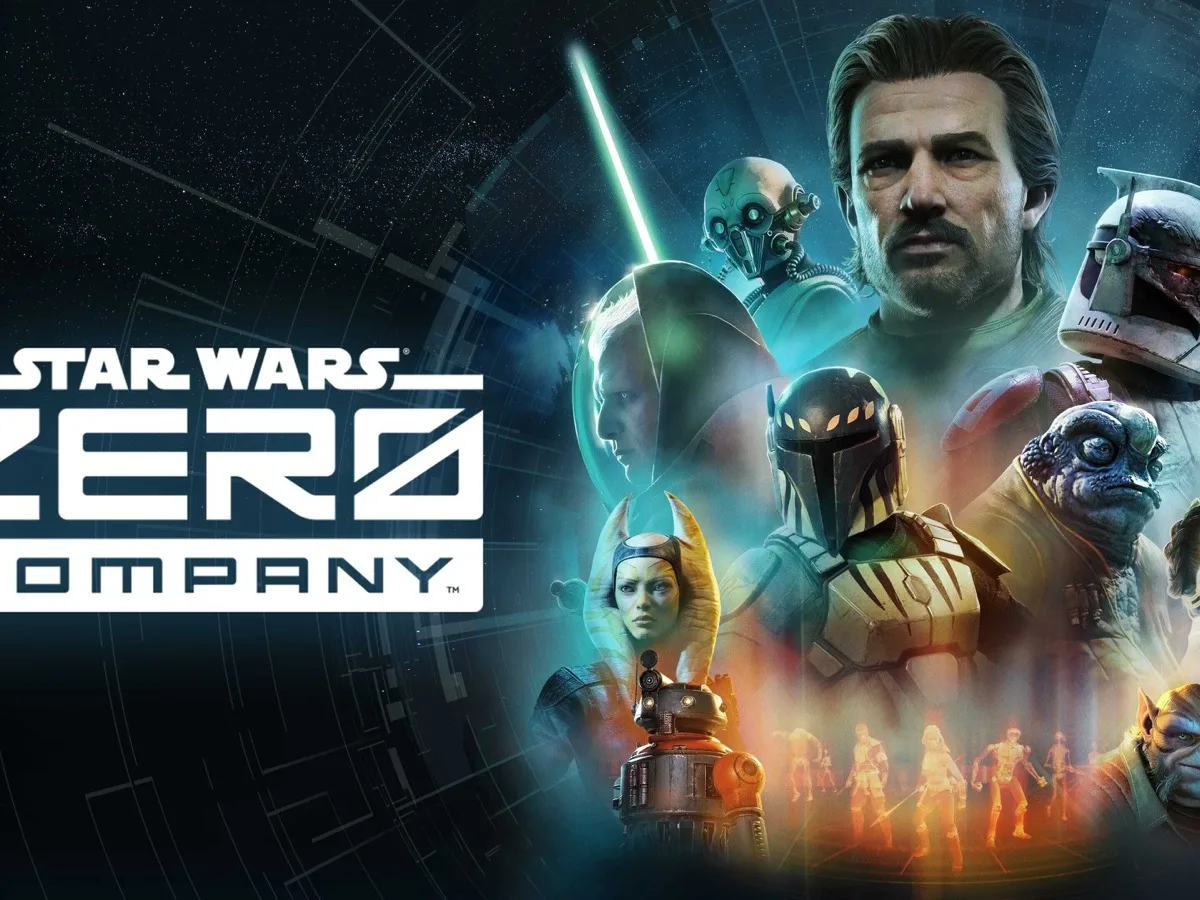
Bit Reactor furloughed many employees before Star Wars Zero Company reached players on 27 August, according to a studio representative cited by Game File and subsequent reports. The independent developer has not given a public headcount, a timetable for restored pay or a clear condition for staff to return. One source told Game File that the measure affected around 80 percent of the team, but that figure is reported rather than confirmed by the studio. The immediate player-facing question is not whether the released game works today, but whether its developer has enough active staff and funding to support it tomorrow.
What Bit Reactor has confirmed
PC Gamer, VGC and PCGamesN each report that a Bit Reactor representative confirmed many staff were furloughed in the weeks before launch. Furlough is not the same as a redundancy: affected people remain employees, but the reporting says they were removed from the active payroll. The representative did not disclose how many people were affected. They said it had been a difficult decision made before the launch result was known, and described it as Bit Reactor's decision rather than a decision by Electronic Arts or Lucasfilm Games. That distinction records the studio's stated responsibility; it does not explain its finances or contractual arrangements.
Reports based on Game File's sourcing describe a much more severe position than the confirmed wording alone. One source put the number at around 80 percent, while another described a skeleton post-launch crew remaining on payroll. A court filing in an ongoing dispute involving studio co-founder Alison Kelly was also reported to say that Bit Reactor had furloughed most employees and ended contractor relationships. None of those accounts provides a full staffing list, and the company has not publicly set out the precise groups affected. The reliable conclusion is therefore narrower: many people were furloughed, while the reported scale remains unverified by Bit Reactor.
A launch is not an immediate rescue plan
Electronic Arts announced Zero Company as available on PC, PlayStation 5 and Xbox Series consoles on 27 August. The publisher's release described it as Bit Reactor's debut title, made with Lucasfilm Games, and listed PC storefronts alongside the console versions. Reviews have been positive, and PC Gamer noted that the game was a Steam bestseller when it reported the furloughs. Those signals matter to a new studio, but they do not prove that the game's revenue has met the terms needed to fund payroll. Sales position, review scores and a publisher's launch messaging are different measures from cash available to an independent developer.
That timing makes the representative's reported hope of restoring pay especially important, but it should not be read as a promise. PCGamesN reported that the studio hoped a successful launch could allow furloughed employees to return with pay restored. It did not report a date, sales target or a commitment that every employee would return. A game can sell across several stores and platforms while the money owed to its developer is governed by recoupment, milestones, royalties and other arrangements that are not public here. Without those terms, assigning the furloughs to any one partner or metric would go beyond the available evidence.
What this means for players now
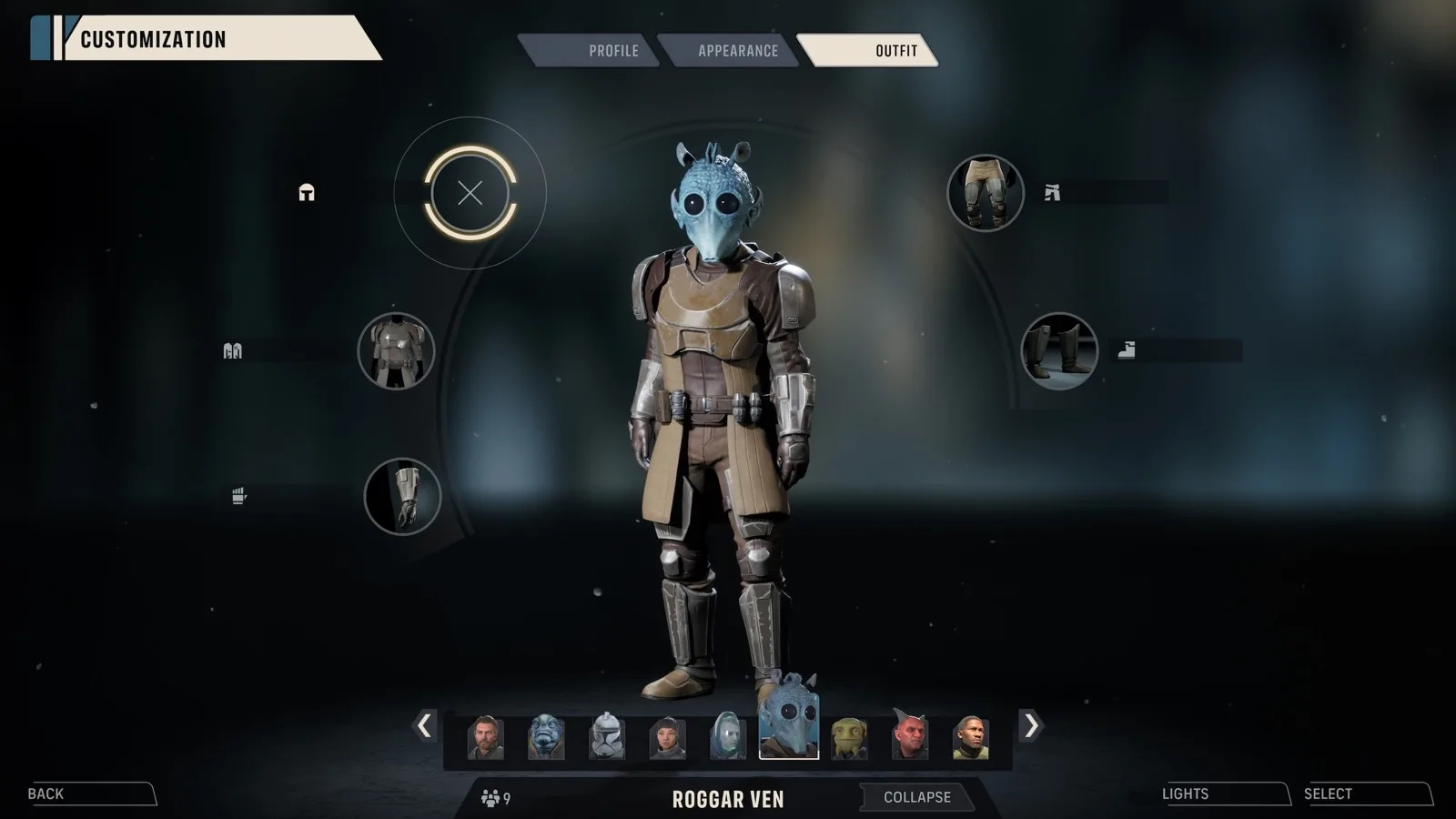
Players can buy and play Zero Company on its announced platforms, and there is no public announcement that the game is being removed from sale or that its support has ended. The official site continues to present a single-player turn-based tactics game, so it does not depend on a large live-service operation in the way an always-online multiplayer title might. Even so, every commercial release can need patches for technical faults, compatibility changes and serious balance issues. A reduced active team does not establish that those jobs will go undone, but it makes the studio's capacity to handle them a reasonable question rather than an assumption.
The report also complicates the instinct to treat a well-reviewed launch as a clean success story for the people who made it. Praise and high visibility can help a project, but they do not automatically address a workforce that was already taken off pay before launch. That is not a reason for players to infer that purchasing the game directly funds a particular employee or guarantees re-employment; the public record does not support that claim. It is a reason to distinguish the product's reception from the employment status of the team behind it, especially while the company has supplied so little detail.
The questions Bit Reactor still needs to answer
The most useful update from Bit Reactor would be concrete rather than promotional: how many employees and contractors were affected, whether furloughed staff are receiving benefits, which team is maintaining the released game, and what conditions would restore pay. The company could also clarify whether it has a next project in production or is relying on Zero Company's sales alone. These are practical questions for developers deciding whether to remain attached to the studio and for players trying to understand the outlook for post-launch support. They are not answered by a launch trailer, a review average or a storefront ranking.
For now, the story is less a verdict on Zero Company than a warning about the gap between shipping a prominent game and sustaining the studio that made it. Bit Reactor says the furloughs were its own decision and were made before the launch result was clear. Independent reporting says the move reached most of the team, although the company has not confirmed that number. Until it does, the responsible account is to keep those claims separate. The game has launched. Many of its developers were furloughed beforehand. Whether the launch changes their position remains unknown.
Sources
Where this story comes from, and where you can check it.
Official sources
Independent reporting
- Video Games ChronicleAround 80% of Star Wars Zero Company studio Bit Reactor was reportedly furloughed weeks before its release ↗
- PC GamerThe studio behind Star Wars Zero Company, which is currently a Steam bestseller, has reportedly furloughed the majority of its staff ↗
- PCGamesNStar Wars Zero Company studio furloughed staff before the game was released ↗