A photograph of something impossible can pay for a better camera in SOMBRAS: negative frames. Shiomi's pictures become inspiration, and inspiration feeds equipment upgrades that help uncover more of her strange town. It's an appealing reason to hold the viewfinder steady in a place full of hungry shadows: the thing that unsettles you may also be worth a picture.
Maboroshi Artworks' first-person adventure reaches PC on 3 December, with a free Steam demo available now. October's public-demo update reorganised its Photo Sights by name and category in the album, alongside changes to developing and upgrading. That gives its photography a useful focus ahead of launch. Finding an oddity, taking its picture and making something of the result are all parts of getting through this place.
A camera for the wrong side of town
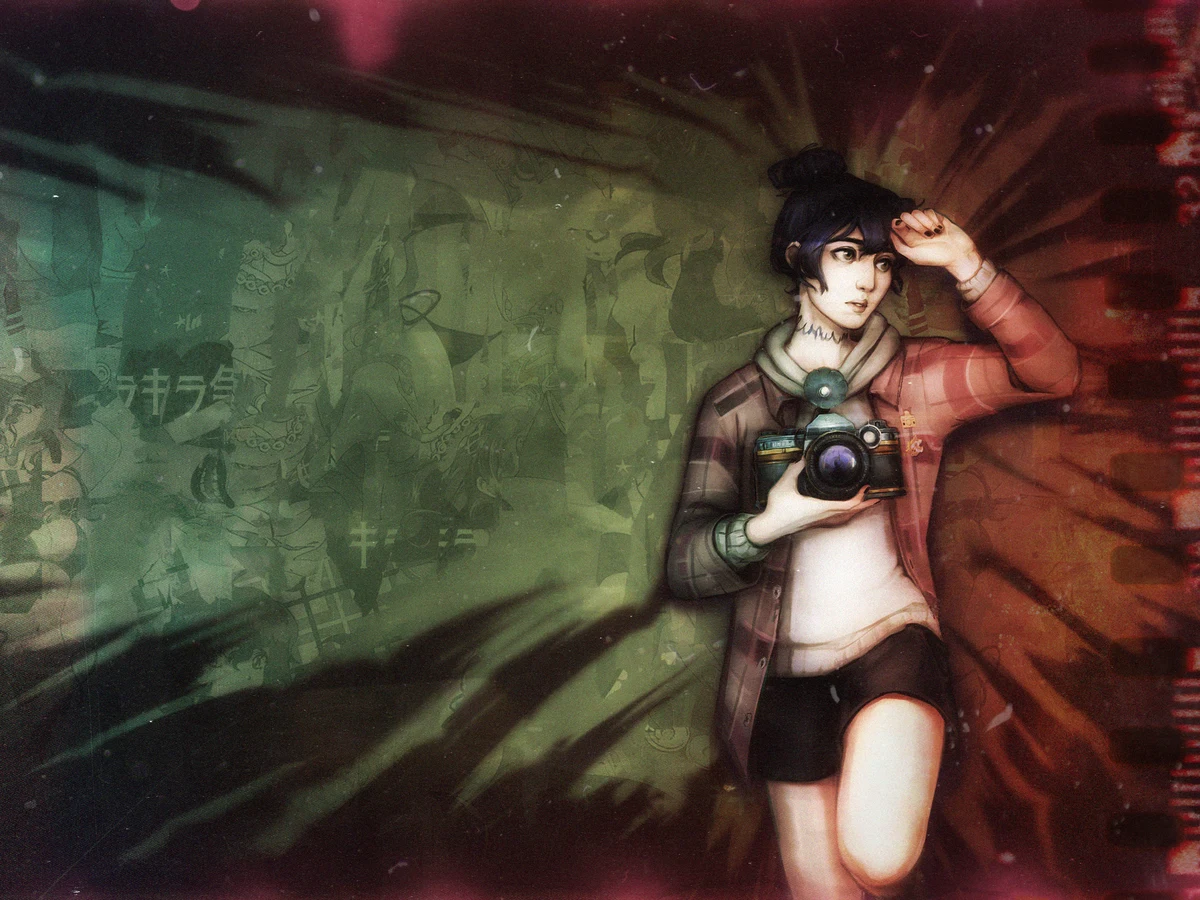
Shiomi Alterio is a Japanese-Spanish photography student living with her father in Japan after her parents' divorce. She has left her life in Europe behind. One night, she enters a dark reflection of her familiar town, where girls who look like her share the streets with much less welcoming presences. Her route home involves confronting those different fragments of herself. Photography gives her a familiar skill to bring into this distorted place.
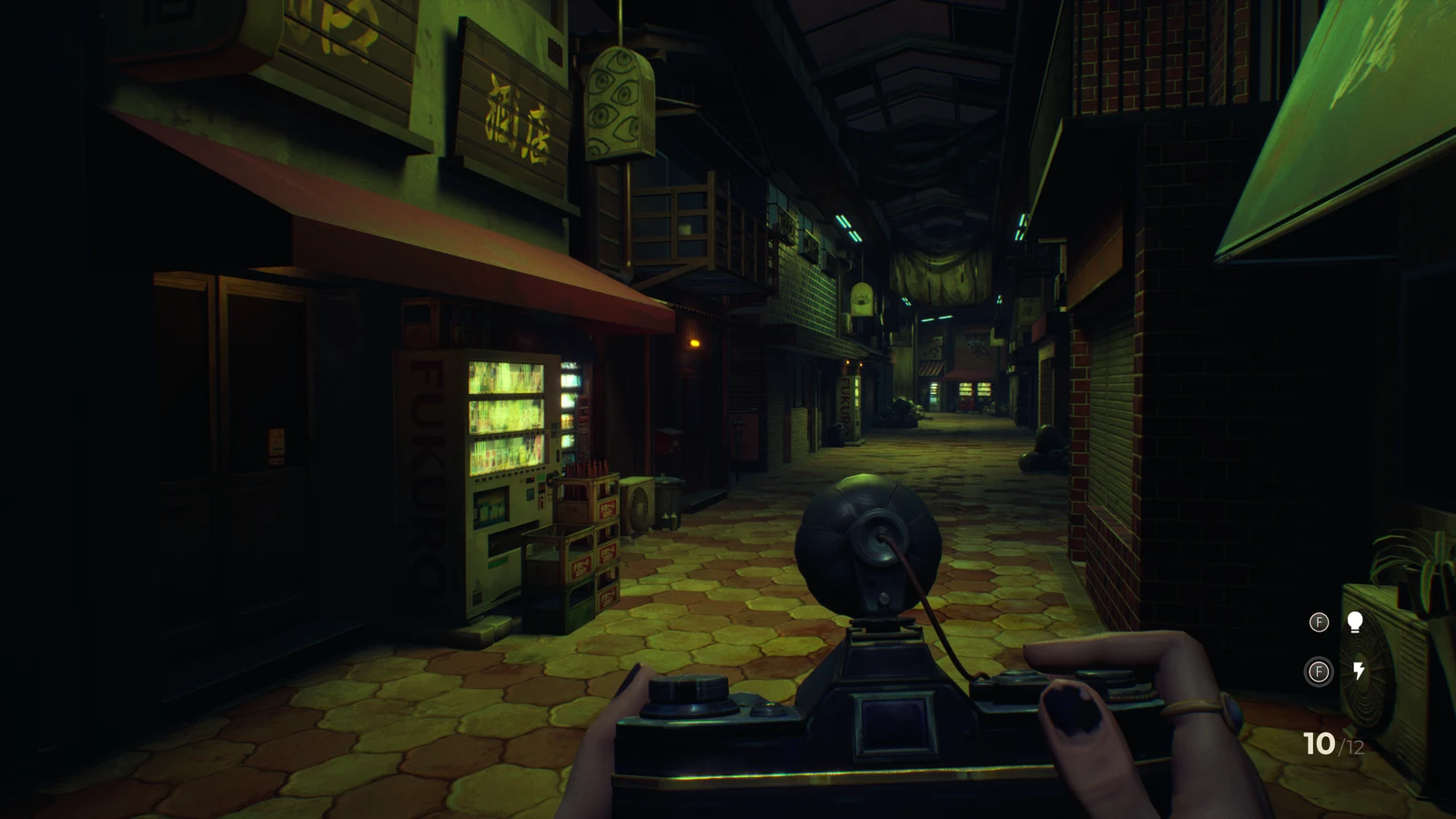
The setting gives that camera an excellent subject. This is a distorted Japanese town from the 2000s, built around places Shiomi recognises. In a press screenshot, a covered shopping street stretches past shuttered fronts and a glowing drinks machine. Eye patterns cover the hanging signs. The everyday clutter gives you something familiar to look at, then the eyes make looking itself feel a little uncomfortable.
Shiomi holds the camera low in that image, its body and flash occupying much of the foreground. You can see the street beyond the equipment you're carrying. It's a pleasing fit for the premise: an ordinary piece of a photography student's life accompanies her into an extraordinary version of home. Finding subjects brings her existing interest into the business of navigating the nightmare.
Taking pictures leads into developing a film roll, earning inspiration and improving the camera to uncover secrets. Each stage gives the last one a destination. A strange sight is a subject; the shot becomes something to develop; the resulting inspiration helps the equipment grow. For a game about a photographer, that's a satisfying way to make the work of photography carry the adventure forward.
The girls who look like Shiomi
The people in this town complicate the urge to run from everything unusual. Shiomi can befriend alternate versions of herself as well as flee repressed terrors. Familiarity becomes a wonderfully awkward thing to judge. A face like hers belongs inside the mystery, and meeting another version of yourself gives the search for home a much more personal subject than simply finding an exit.
One official screenshot places a girl beneath a torii gate, her pale clothes set against a warm sky. Another frames a long-haired figure in a pink cap under green and orange light. The images offer very different moods around recognisable human shapes. They give the town faces to remember alongside its shutters and streets, making Shiomi's encounters as visually inviting as its unusual scenery.
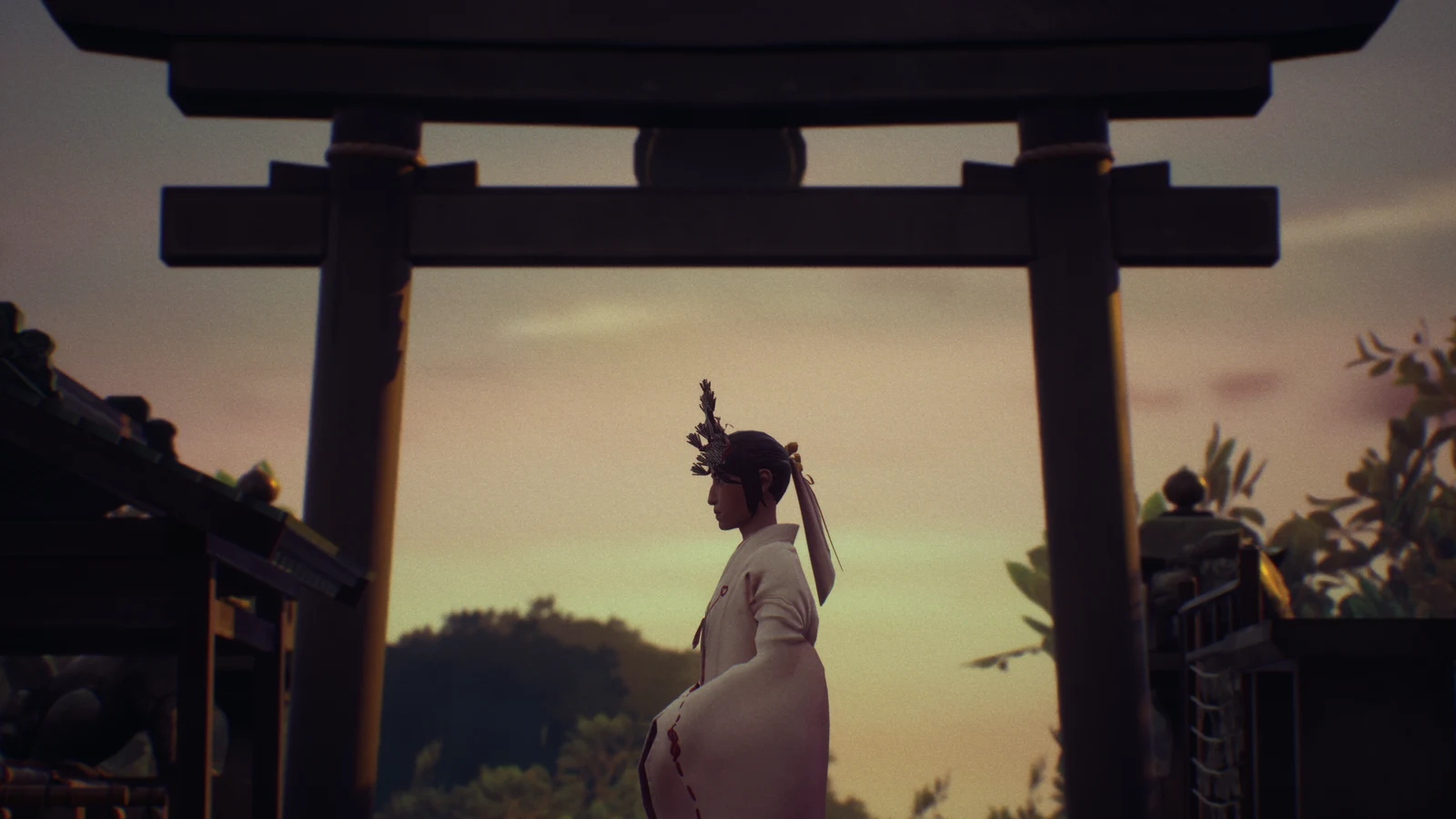
Occult trinkets and strange locked doors give exploration other things to follow, while October's demo added a new chase section. There are occasions for collecting, meeting and escaping within the same journey. The camera's progression loop sits amongst those activities, tying close observation to a character whose own identity has become part of the landscape. That's a strong match between the person holding the camera and the world asking to be photographed.
Keep the album close
The Photo Sights album is the particularly welcome detail in the public demo's changes. Names and categories give the unusual things you photograph a way to be organised. That is useful company for an adventure full of deliberately disorientating places and doubles: the streets can be strange while the record you carry has some order. Opening the album brings a different kind of attention to the same town.
Maboroshi has also been adjusting the work between taking a picture and using its rewards. August's playtest update added an option to speed up photo development; October brought redesigned interfaces for development and upgrades. The two changes attend to different parts of the routine, its duration and its presentation. Developing a roll remains a distinct step in Shiomi's journey, with the earlier update giving players a way to move through it faster.
For another artist working through a troubling version of home, our look at Hope in the City's sketchbook investigation follows drawings into insights and breakthroughs. Shiomi's work goes through the camera and film instead. Her most intriguing invitation is to keep noticing things even when the town grows threatening. A picture gives an impossible sight a place in the album, and inspiration gives the next photograph a reason to happen.
Sources
Where this story comes from, and where you can check it.
Official sources
- Maboroshi ArtworksDemo LIVE! ↗
- Maboroshi ArtworksPlaytest Update + Gamescom ↗
- SteamSOMBRAS: negative frames on Steam ↗
- Maboroshi ArtworksMaboroshi Artworks — SOMBRAS: negative frames ↗
- Entalto PublishingSOMBRAS: negative frames - Press Kit ↗