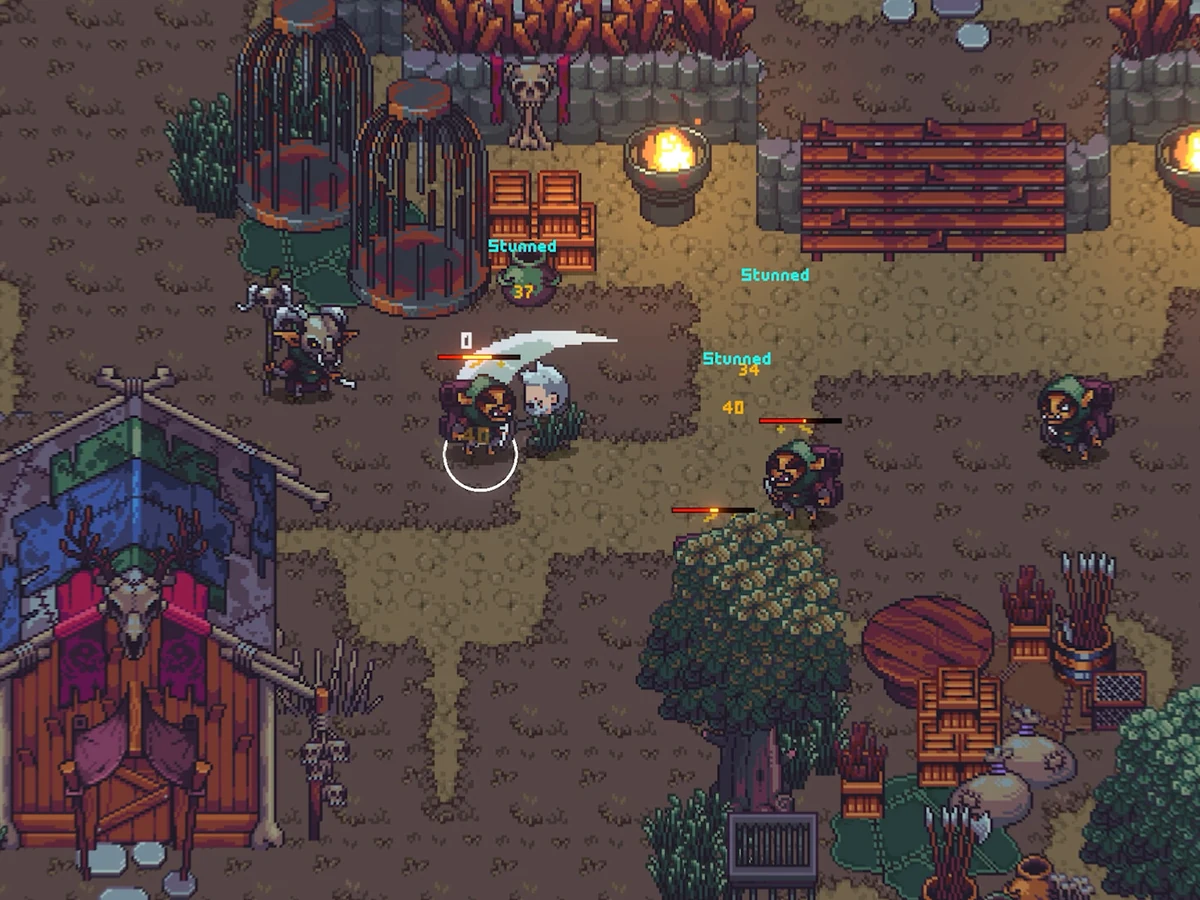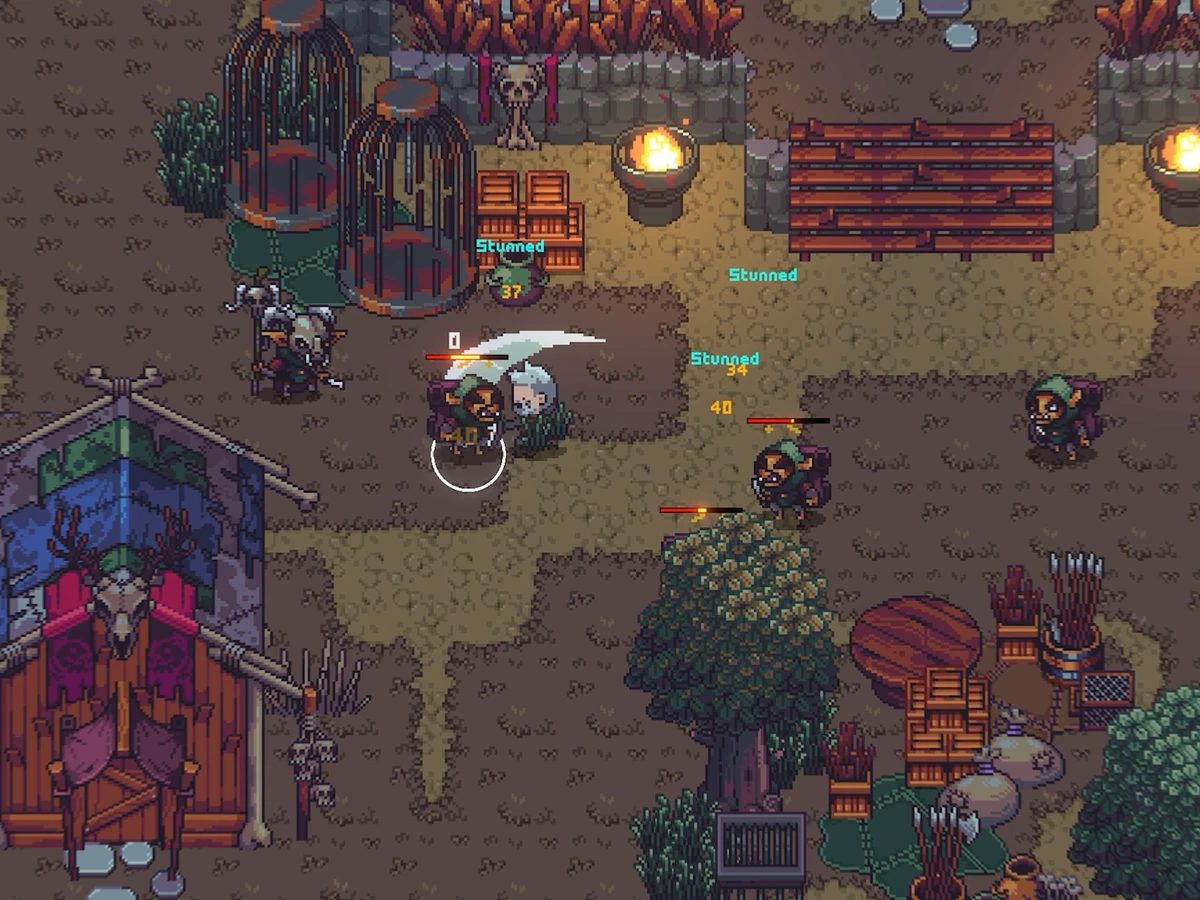
A class in Emberville can borrow active and passive skills from other classes you've learnt. That gives changing your fighting style an appealing extra purpose: a class can become useful to another build as well as being something you want to play for its own sake. Cygnus Cross's action RPG puts that exchange alongside weapon-bound combos and classes unlocked through weapon and armour development.
The first public demo arrived on 19 October and runs through 26 October, ahead of PC Early Access on the 27th. It contains the Prologue, and its progress carries into Early Access. That's a good moment to look at how Emberville separates the weapon in your hands, your active class and the skills you've brought across from elsewhere. They're connected parts of character growth, each with a different job.
A weapon has its own work to do
Emberville builds its fighting around two attack buttons, weapon-bound combos and class-related combat skills. Different types of attacks can be chained into stronger strikes. Positioning, timing and knowing the enemy sit alongside those inputs, so developing a character involves both learning what an attack does and choosing when to use it. A more elaborate character sheet still ends up in a room with something dangerous.
Weapon and armour categories also develop as you play, unlocking new classes. Equipment therefore has a role in opening your options as well as defining your current approach to a fight. The thing you're using now helps determine what becomes available later. That's an inviting reason to pay attention to a category's development: its value includes the route it opens into another style.
Classes, meanwhile, have distinctive abilities and can be changed at any time. You can pursue experience through battles and quests, then experiment with the fighting techniques and weapon categories that suit you. The appealing part is the room to revise a decision after discovering more of the game. A class you've unlocked becomes another option to work with as the prison grows more threatening.
Bring something from the previous class
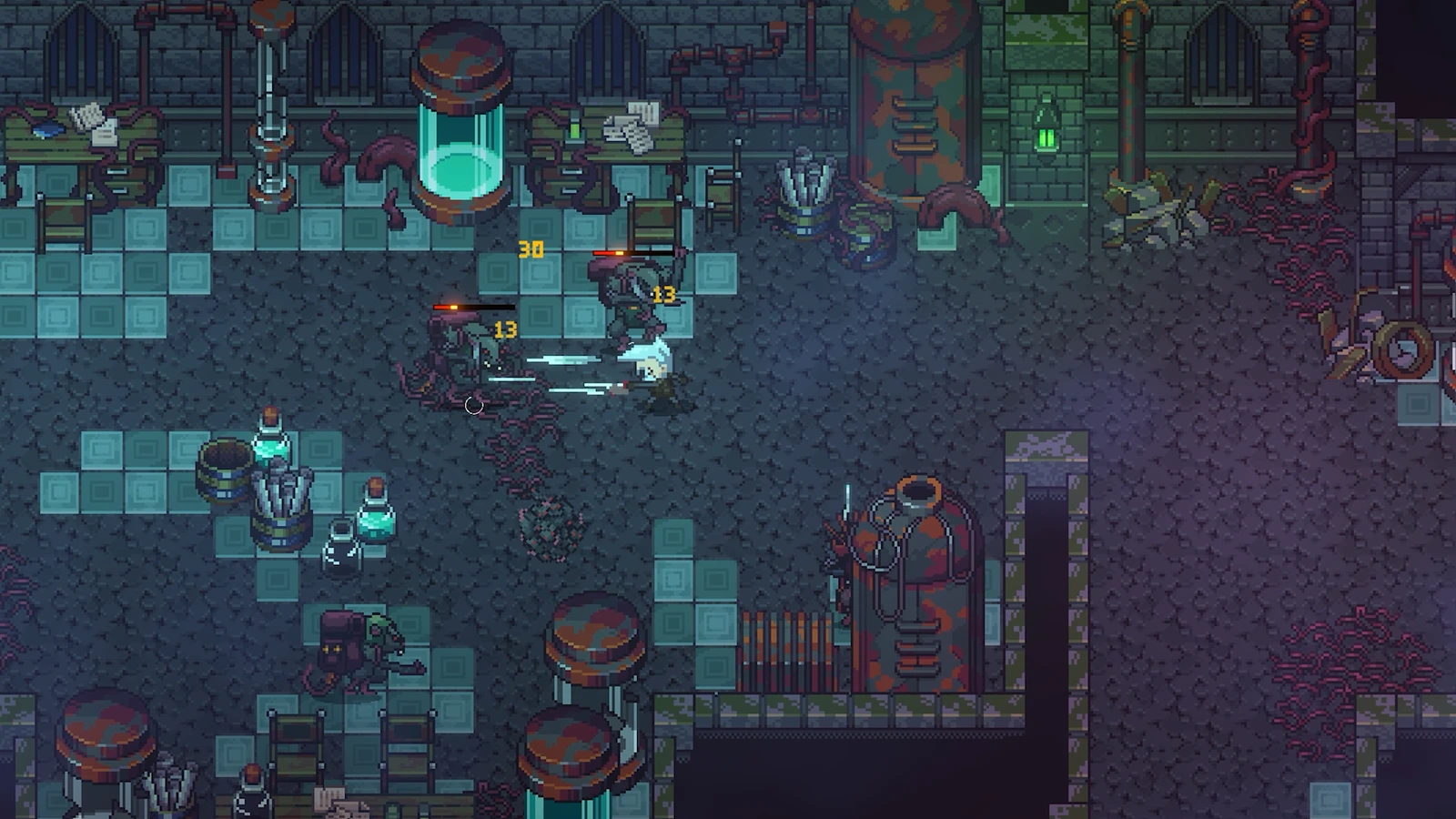
Skill inheritance adds a second reason to develop those classes. Combat skills pass from a levelled class into another active class, and both active and passive abilities can make the jump. The distinction is useful. An active skill adds something to do; a passive contributes an ongoing effect. Emberville lets both kinds of learning travel between classes, giving the destination build something beyond its own abilities.
That changes the attraction of switching. You can be interested in a class because you like playing it, or because learning its skills gives you something to use elsewhere. Inheritance gives you a way to customise the class that's currently active in combat. Developing a second class can therefore contribute to the one you return to. It's an especially appealing arrangement for players who enjoy trying another approach while still thinking about their favourite.
The three layers are easier to follow when kept distinct: weapons supply combos, weapon and armour development opens classes, and classes supply skills that can be inherited. That gives experimentation a direction. You're developing equipment categories, expanding class choices and learning abilities that can become part of a different combination. The connections give a new unlock somewhere to go.
Rescued villagers contribute to that growth too, helping improve skills and weapons. Our earlier Emberville preview follows the relationship between dungeon exploration and restoring the town. Here, that relationship reaches into the character build: the people you bring home can help with the equipment and abilities you take back underground.
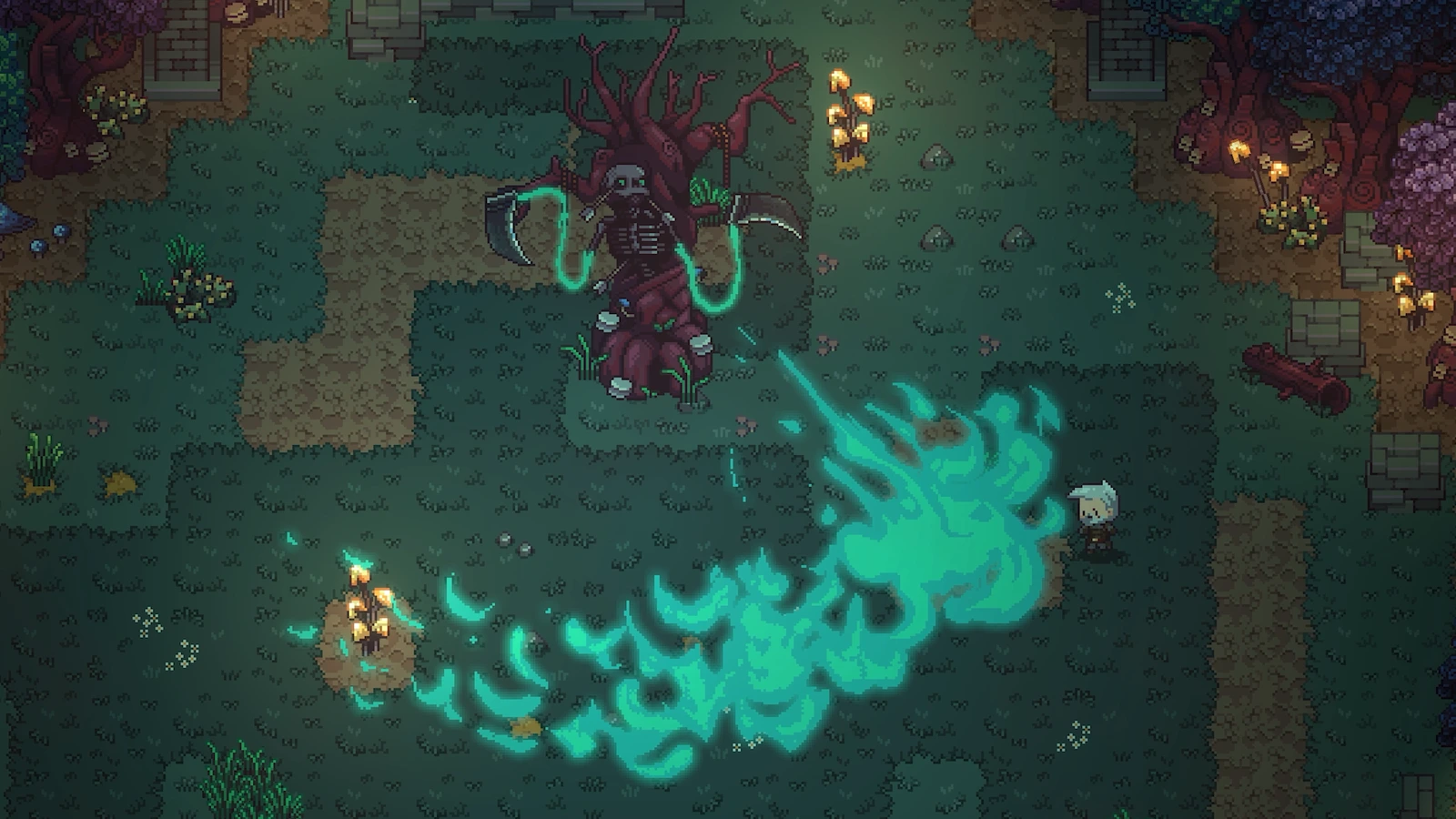
The opening build is still taking shape
The demo already has a relevant correction. Its 19 October patch fixes a bug that gave Palm Strike a 100 per cent chance of stunning, alongside a class skill description and the wrong name and description for Generic Power mastery. A guaranteed stun and a chance to stun ask different things of the next attack; the correction removes the accidental certainty from a plan built around Palm Strike. Those are practical changes for anyone assessing an ability: both its behaviour and the explanation on screen help you decide where it belongs in a build.
Early Access starts with the first major biome, combat progression, crafting and town rebuilding. Cygnus Cross plans to add that biome's final boss in its first update, currently intended for the month after launch. The public Next Fest demo's save transfer also differs from the earlier creator and press preview, whose saves stay behind. The October demo is the opening chapter you can continue.
Emberville's class system gives learning another style a use beyond the next fight. A weapon category can open a class; developing that class can give another one a skill to inherit. For a player who likes taking a character apart and finding a better combination, that's a particularly inviting chain to follow.
Sources
Where this story comes from, and where you can check it.
Official sources
- Cygnus Cross via TerminalsEmberville's Demo is Live Now As Part of Steam Next Fest ↗
- SteamEmberville ↗
- Cygnus Cross on SteamWhat to Expect from Emberville Early Access on October 27th ↗
- Cygnus Cross on SteamDemo - Patch Notes ↗