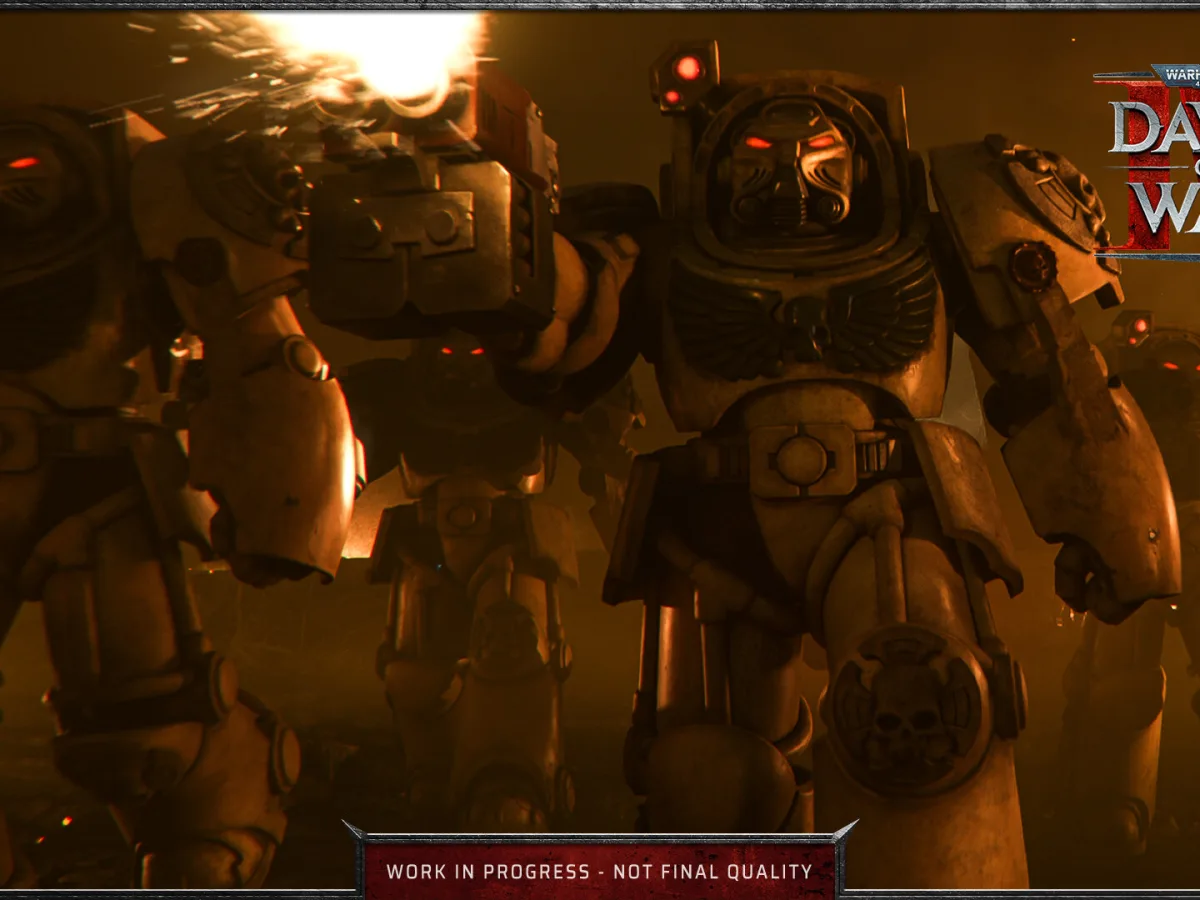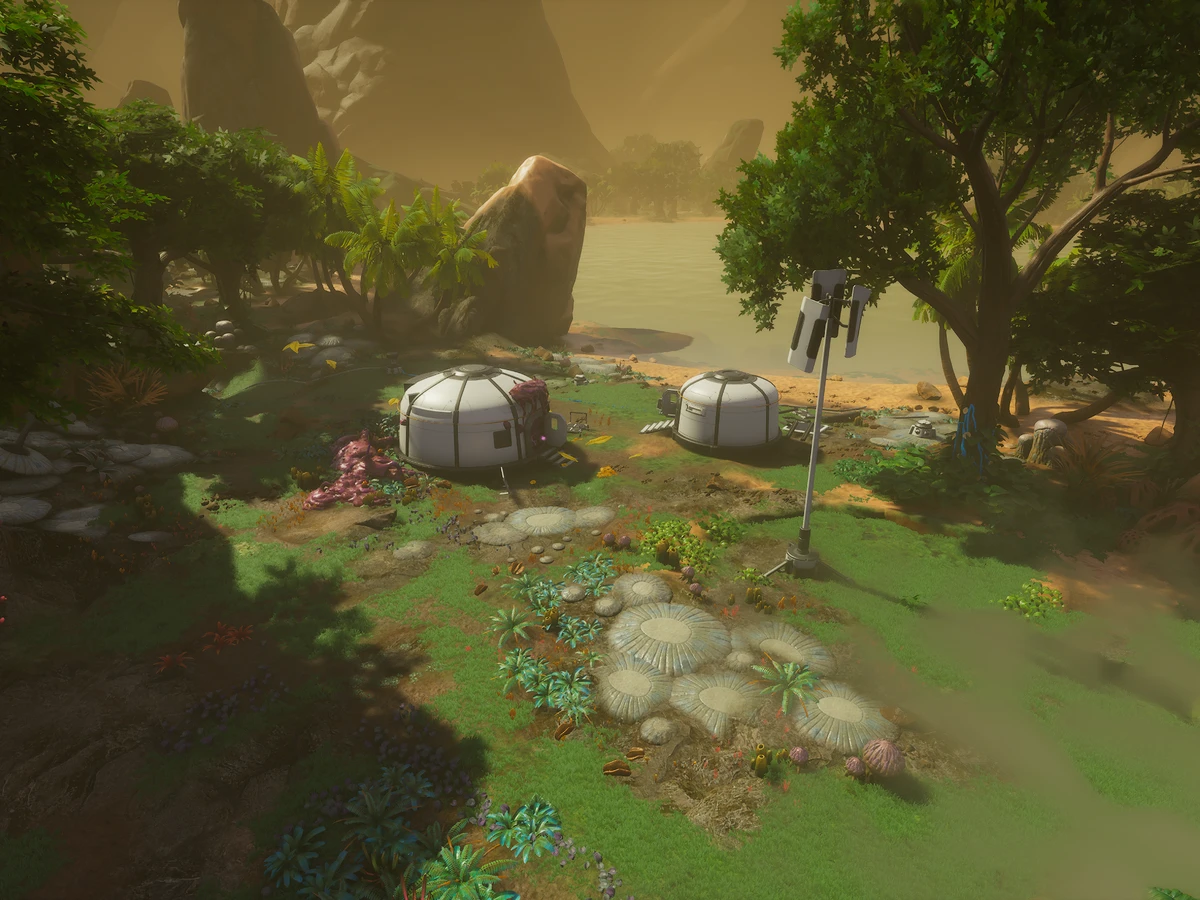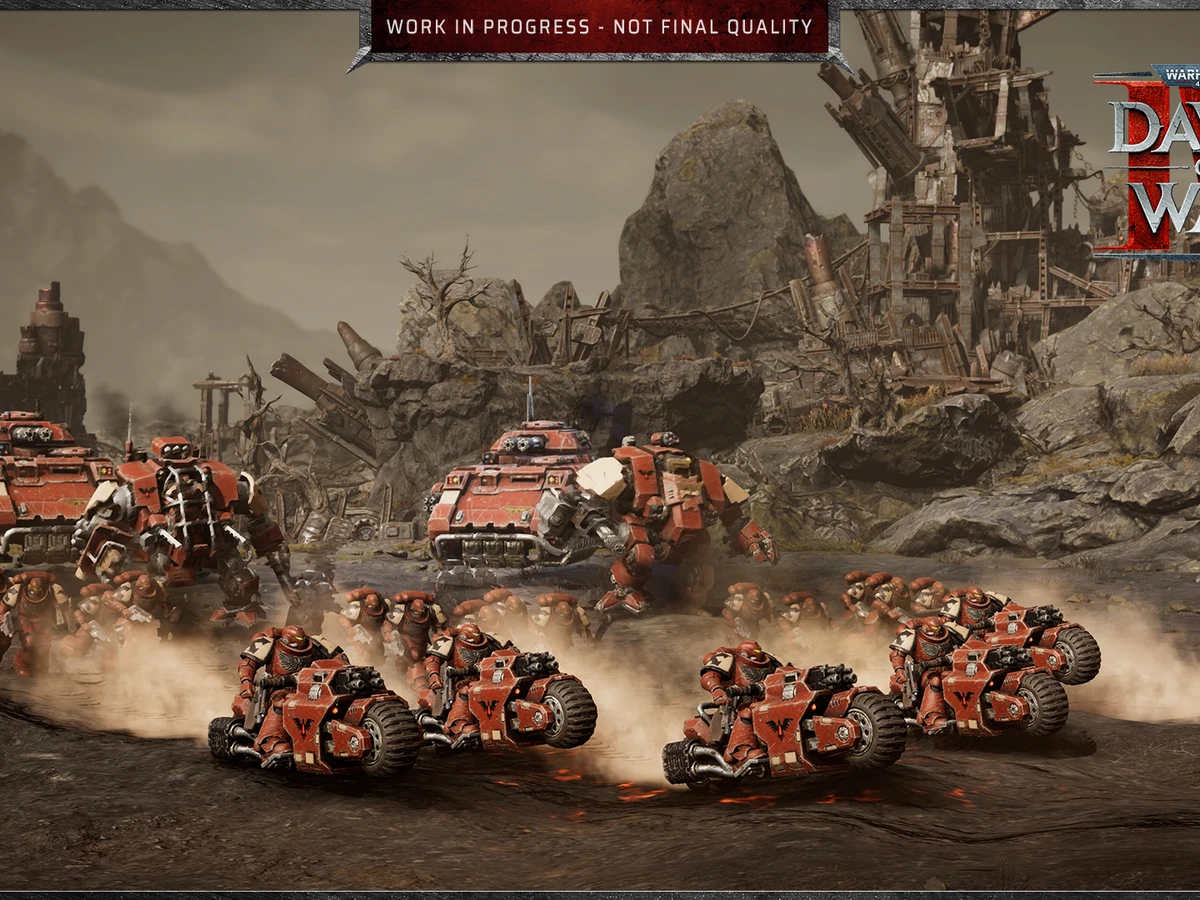
You can bring a friend through the campaigns of Warhammer 40,000: Dawn of War IV, join two allies for The Last Stand, or organise a team battle against the computer. That gives KING Art Games' return to Kronus a welcoming range of arrangements for people who enjoy commanding an army together. Choosing who comes along is a useful place to start.
The PC strategy game arrives on 3 December, with a three-day early unlock from 30 November for Commander Edition owners. October's overview fills out the activities around its four armies: Space Marines, Orks, Necrons and Adeptus Mechanicus. Our earlier look at their different battlefield identities covered territory and faction match-ups. This time, the attraction is the range of wars you can share, from a branching story to a survival run.
A campaign with company
Four faction campaigns contain more than 70 missions between them, with branching choices and co-operative play. Each faction has its own campaign within an overarching narrative. The Space Marine story also puts you in command of both Blood Ravens and Dark Angels, the latter a playable sub-faction. For a group interested in the setting, that is an appealing spread of perspectives on one contested planet.
These are army-commanding adventures built around bases, resources and growing forces. You construct a base, produce troops and take resource points; you can upgrade squads' weapons and abilities, use cover and garrison buildings. Keeping units alive also develops them through combat experience. Sharing that kind of campaign offers a substantial project for two strategy fans: a story to follow while getting familiar with the practical work of expanding and preserving an army.
Bring a team to Maelstrom
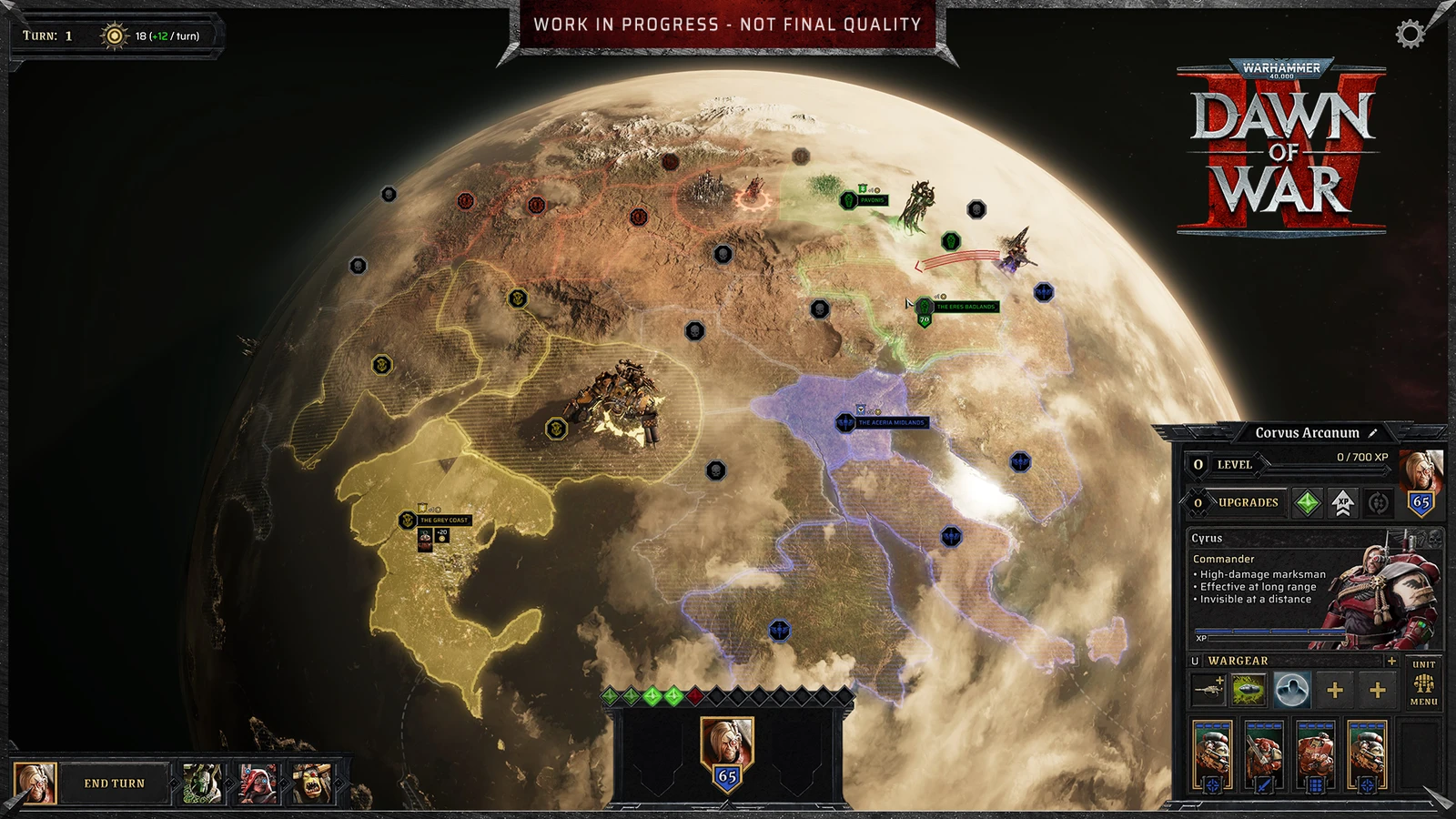
Skirmish supplies the adjustable battlefield. It has four game types, dozens of settings and support for up to five AI opponents, giving players room to arrange a fight around their preferred challenge. September's official Team Skirmish report offers a particularly useful example: creative director Jan Theysen and senior game designer Elliott Verbiest join forces against Hard AI in a two-versus-two Maelstrom battle. An AI opponent can supply the opposition while human players share the planning.
Maelstrom sends teams after objectives that appear dynamically across the map. That gives a shared battle a moving focus: the objective itself tells the team where attention is required. The multiplayer AMA describes two other rulesets with different priorities. Annihilation asks you to destroy enemy headquarters while protecting your own. Domination awards Victory Points for holding more Strategic Positions than the opposition. For a regular group, those are useful choices about the kind of contest to organise.
The same AMA details settings for Commanders, selected before a match alongside faction and starting position. Normally, they are produced from headquarters for a cost after unlocks; match options can instead make them starting units or disable them. That's a pleasingly specific example of the flexibility here. Bringing a powerful unit into the opening changes what everyone has available immediately, while leaving it out puts the spotlight on the rest of the force.
Five heroes for The Last Stand
The Last Stand gives a three-person group a different assignment: hold out against waves of enemies together. You choose from five heroes and assemble a Strikeforce of companion units. It is an attractive alternative for friends drawn to the Warhammer cast who want a shared survival objective. The hero selection provides a personal starting point, and the accompanying units give each player a force to consider around that central character.
That sits neatly beside the campaign and custom battles. A pair can follow a story, a trio can face the waves, and a team can take on AI opposition in Skirmish. The useful detail is the shape of the company each option supports. For someone trying to persuade friends into another strategy game, being able to name an activity that fits the group makes the conversation much easier.
Competitive multiplayer extends the choice to human opposition across 30 maps and three game types. It gives friends another destination once they want to face other players. For now, the co-operative options are the more inviting introduction: company through a campaign, a team against the AI, or three people defending the same position. There is plenty to arrange before anyone has to become a rival.
Paint before deployment
The enhanced Painter supplies another appealing reason to linger over an army. It includes dozens of presets alongside colours, decals and wargear, with armour and equipment paintable piece by piece. There is pleasure in giving a force a recognisable appearance before watching it march. Players who enjoy that side of Warhammer get a more detailed set of choices than a single overall colour scheme.
Dawn of War IV's strongest invitation to a co-op group is this combination of a force to personalise and several ways to play together. The campaign offers a continuing story; Maelstrom puts changing objectives on a shared battlefield; The Last Stand gives three allies a line to hold. Pick the company first, then choose the war that fits.
Sources
Where this story comes from, and where you can check it.
Official sources
- PLAIONNEW TRAILER: DAWN OF WAR IV DEPLOYS MASSIVE GAME OVERVIEW ↗
- Deep SilverWarhammer 40,000: Dawn of War IV - Official Website - At last, back to war! ↗
- Steam CommunityAMA Developer Blog - Multiplayer ↗
- Steam CommunityDawn of War IV Battlefield Report - 2v2 Team Skirmish Maelstrom PvE ↗