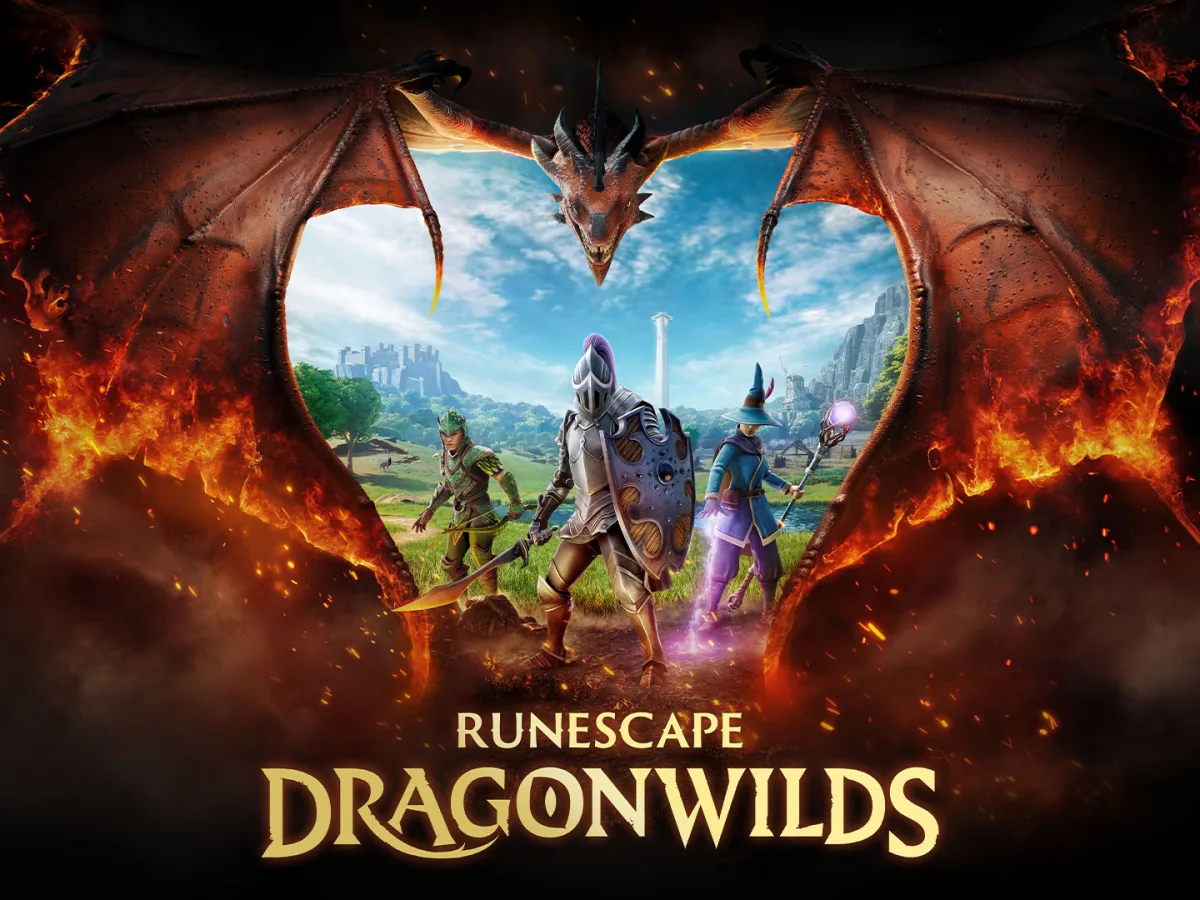
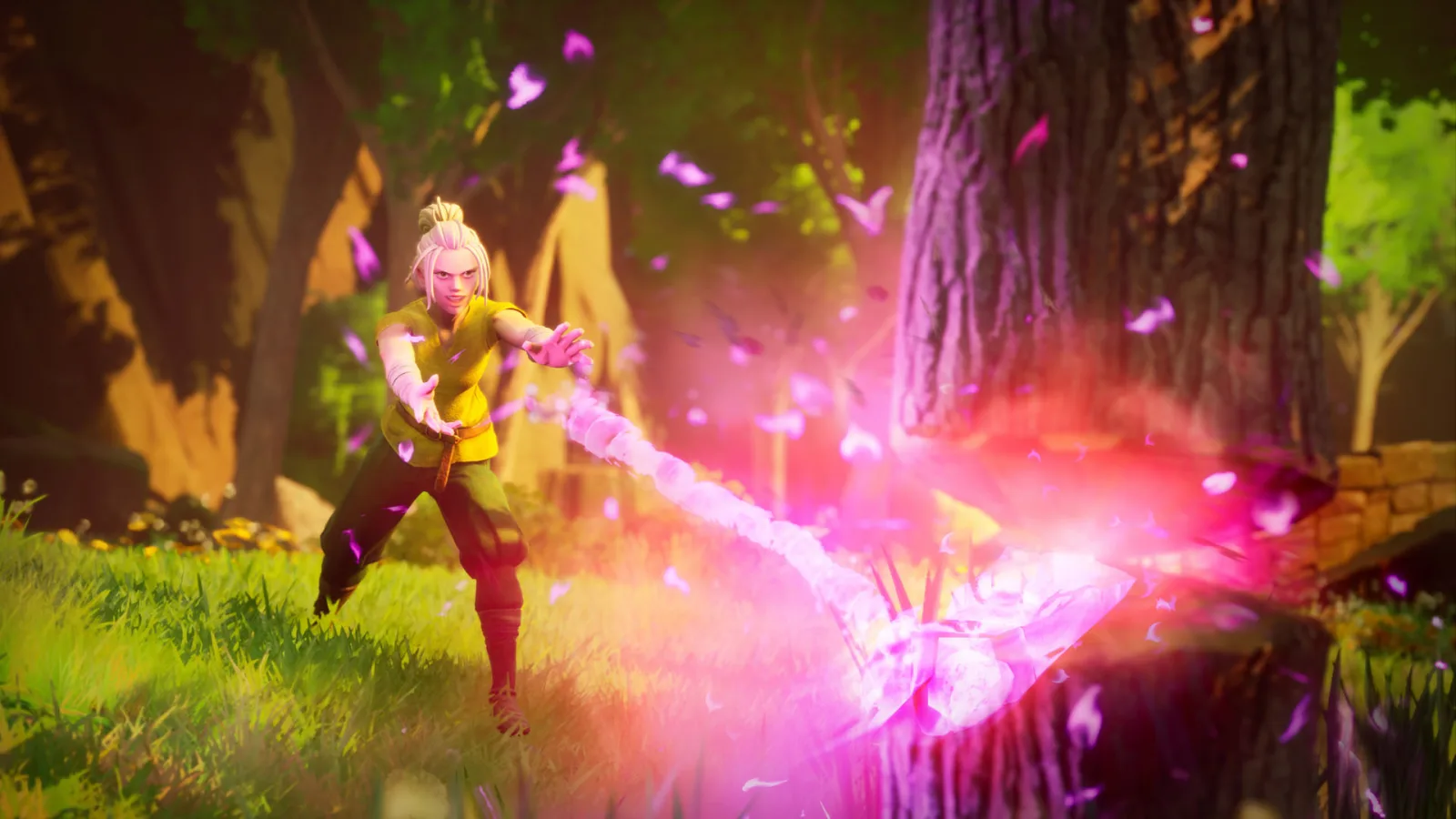
In RuneScape: Dragonwilds, a high enough Woodcutting skill can let a player summon a spectral axe and fell trees in an instant. It is a small flourish with a useful design implication. The game is not asking players to admire a number rising beside Woodcutting while they repeat the same task more efficiently. It is promising that the number can eventually change the task itself. As Dragonwilds leaves Early Access on 15 September, that distinction is the clearest sign of what Jagex is trying to carry from RuneScape into a modern survival game.
Skills that describe what you did
Product director Robert Galassi-Fox told Insider Gaming that Dragonwilds uses action-based advancement rather than a conventional level-up and attribute-point system. Chop a tree and Woodcutting gains experience; keep doing the activity and the relevant skill improves. That is recognisably RuneScape, where a long list of practical disciplines has always supplied the rhythm of play. The meaningful adaptation is what sits on top of it. Woodcutting, Runecrafting, Mining, cooking and combat disciplines are not presented as a batch of abstract bonuses. They are meant to unlock spells and abilities that make the associated work behave differently.
That is a sharper answer to survival repetition than simply raising tool damage or harvest yield. Xbox Wire's official examples include turning bones into peaches, blinking out of danger, exploding ore veins and conjuring a tornado of fish. The exact balance of those spells remains unknown until 1.0, but their direction is clear: familiar resource work becomes an opportunity for a different action. A spectral axe is not only faster than swinging an ordinary one. It changes the visual and mechanical rhythm of gathering, which matters when gathering is the activity players will perform between every expedition.
A survival game with fewer maintenance bars
The system also explains why the team calls Dragonwilds "survival light". Creative director Rick Turek told Insider Gaming that the game avoids the long list of status meters that can turn the opening hours of the genre into permanent upkeep. Its stated challenge is not no challenge at all: Ashenfall still has hostile creatures, increasingly dangerous territory, crafting and a Dragon Queen at the end of the current story arc. But the reported goal is to make the pressure come from discovering materials and mastering a route, rather than constantly restoring a collection of depleted bars.
That choice gives the spells a job beyond spectacle. If a player has a magical way to turn a fishing trip or a mining run into something quicker, stranger or safer, the game is making room for the next decision: build a stronger base, prepare for a boss or follow a quest. It is a different use of progression from the survival games where better equipment chiefly extends the distance one can travel before returning to chores. Dragonwilds still needs those loops, but it wants mastery to create an escape hatch from their least interesting repetitions.
Co-op can be a division of interests
The action-based model has another advantage in co-op. Galassi-Fox described groups in which one player might prefer melee while another gathers materials or builds the base, with everyone able to level the missing skills when playing alone. That is more inviting than a hard class system because it turns ordinary preferences into contributions without denying access to the rest of the game. The builder is not trapped in a support role and the fighter is not locked out of making a home; they simply reach their preferred kinds of competence by doing the work they enjoy.
It is also why the console launch is more than a distribution footnote. Dragonwilds reaches PC, PlayStation 5, Xbox Series X|S and Switch 2 alongside 1.0, and the developers have said controller feel informed its third-person action. A 25-year-old MMO's skill vocabulary could have been an intimidating piece of heritage for newcomers. Here, the most legible lesson is physical: do an activity, become better at it, then gain a surprising way to reshape it. That is an easy proposition to understand from a sofa, before anyone needs to learn why a flying carpet is a deep-cut RuneScape reference.
The important promise is variety, not endurance
Jagex has said Dragonwilds is not designed to be played forever in the same way as its MMOs, even though updates will continue after 1.0. GamesRadar+ recently reported that its early-access price will remain GBP24.99 in the UK and that monthly updates are planned. That commercial context makes the design choice more important, not less. A game leaving Early Access needs a reason for its long-term systems to feel complete rather than merely unfinished. Skills that open up distinct actions are a better case for returning than an ever-longer bar demanding another evening of identical clicks.
None of that proves every spell will land, or that the balance between solo play, co-op and post-launch updates will hold once the full release arrives. The available evidence is still developer explanation and selected footage, not a verdict on the finished game. Yet the underlying idea is sturdy. Dragonwilds is taking RuneScape's famous pleasure in becoming good at a mundane activity and asking a more modern question of it: once the player has put in the work, what new thing are they now allowed to do? That is a much livelier reward than asking them to do the same thing faster.
Sources
Where this story comes from, and where you can check it.
Official sources
- Xbox WireRuneScape Arrives on XBOX for the First Time in 25 Years with Survival Adventure RuneScape: Dragonwilds! ↗
- RuneScape: DragonwildsFAQ ↗
- RuneScapeRuneScape: Dragonwilds Launching September 15th, 2026 on Console and PC! ↗