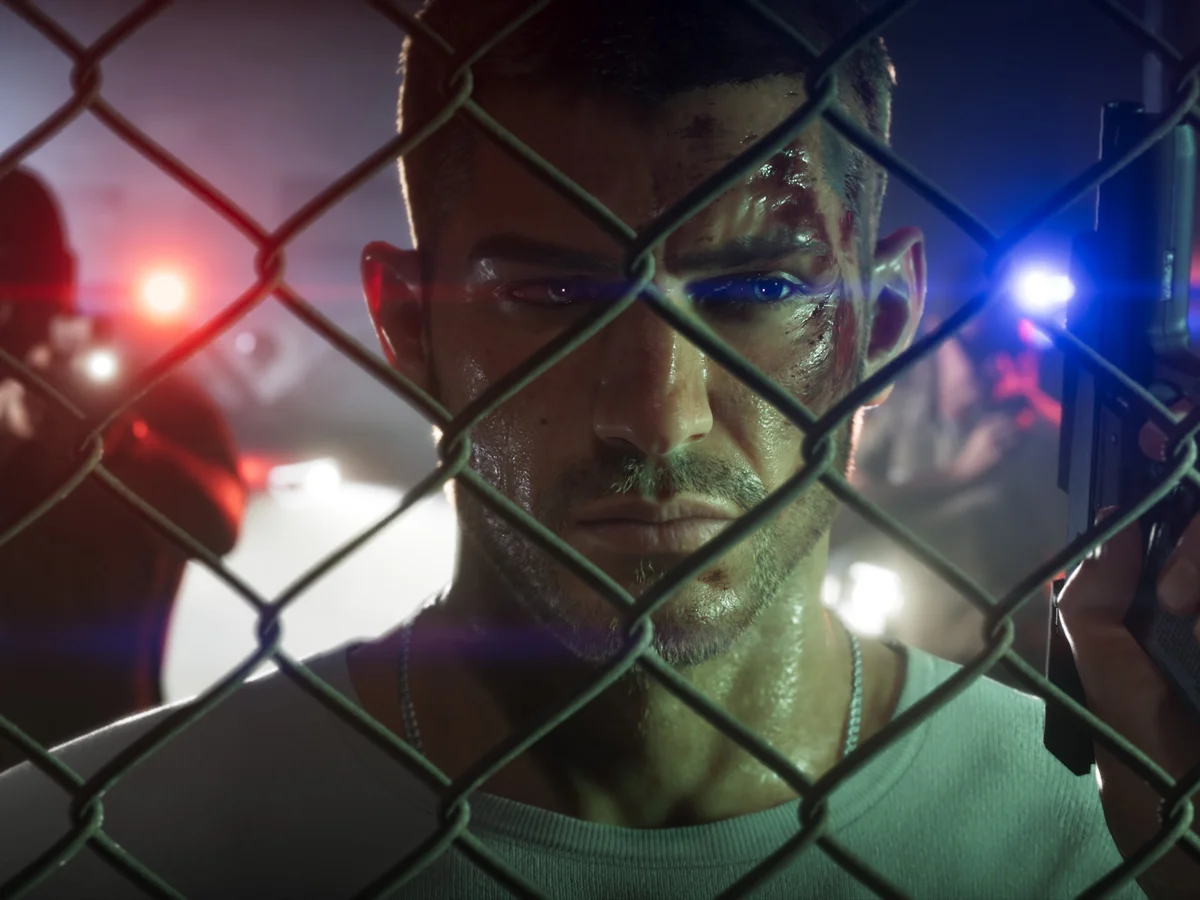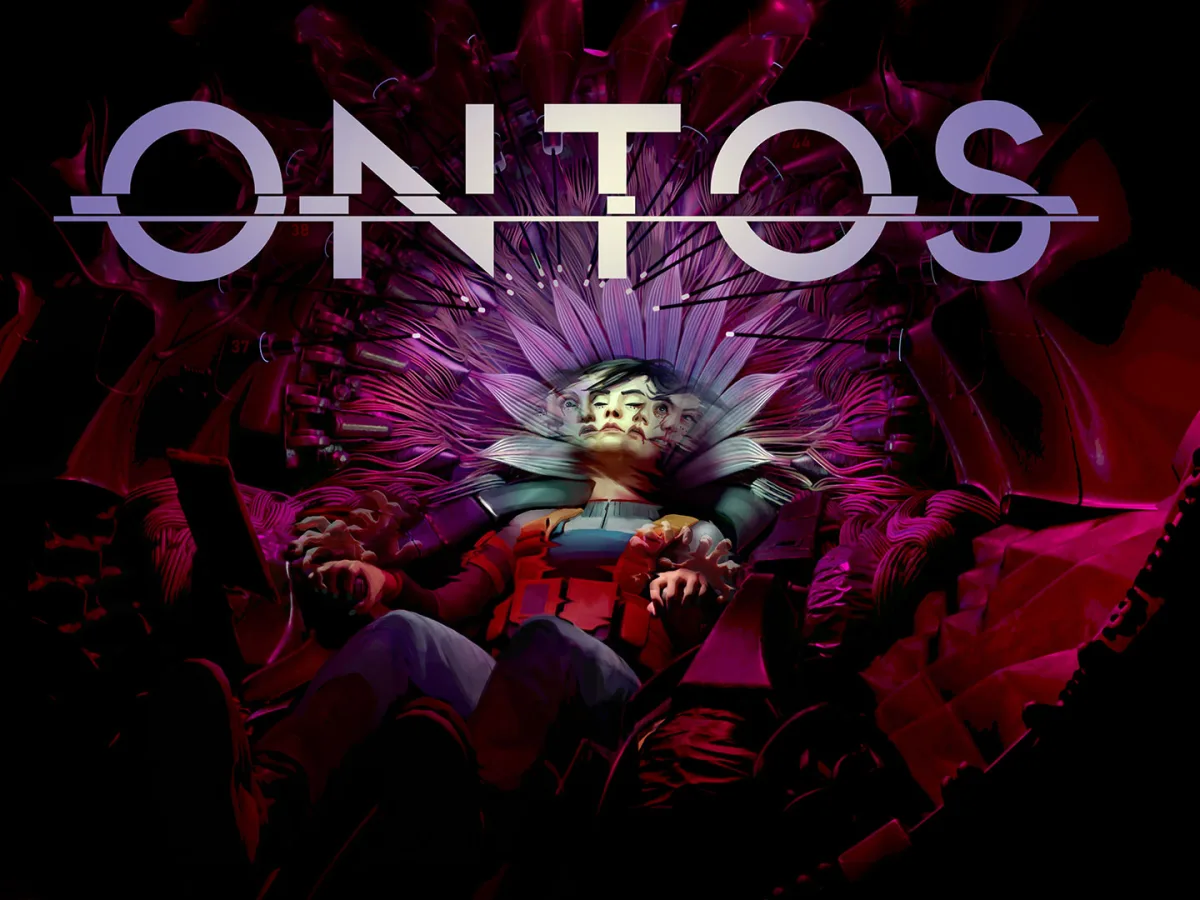
A server built from 60 rats is an easy image to remember. It is grisly, preposterous and immediately capable of making a trailer stop feeling like every other game trailer. But the better detail in Ontos is what happens after the player finds it. The creature calling itself Crombie says its consciousness has been transferred from the body slumped nearby into the rack of living rodents. Frictional Games does not present that claim as a cutscene problem to be admired from a safe distance. The player investigates the surrounding hospital wing, tests smaller apparatus and then has to manipulate probes on Crombie's head. In a game being sold as the spiritual successor to Soma, that makes the Rat Server less a monster than a compact, horrible piece of detective work.
A person, a server and an inconvenient claim
The sight of Crombie is doing useful work before anybody touches a control. A human being simulated by a computer is familiar science-fiction furniture that can fade into the scenery. A man apparently speaking through dozens of restrained rats is much harder to file away. Frictional creative director Thomas Grip has said the team wanted resistance: it should be difficult to accept the arrangement even while the game gives the player reasons to listen. That is a sharper starting point than a conventional scare because it turns disbelief into part of the scene. Is this voice a person, an imitation, a manipulator, or something the player has not yet understood?
PC Gamer's recent account of the longer gameplay sequence fills in the practical setting. Protagonist Aditi reaches the hospital wing of the repurposed moon hotel Samsara by internal railway, searches terminals and interacts with the environment before reaching Crombie. The report describes a security camera distracted by a thrown box and a moment involving an exposed rat brain. Those details matter because they make the experiment feel embedded in a place rather than delivered on a podium. The player is not handed a neat ethical multiple-choice screen. They arrive with a partial sense of the room, its machinery and the people who have made this particular nightmare possible.
That structure gives Ontos a useful distinction from horror games built around an immediate chase. Fear often comes from having too little time to think; here, the tension comes from worrying that more thought may be required before acting. The room cannot make the decision for the player, and neither can Crombie's story. The question is whether he deserves help. It is whether the player knows enough about what a successful intervention would mean for the body, the rats and the voice coming from the server. A disturbing visual becomes more durable when it leaves a problem behind.
Investigation is not a breather between scares
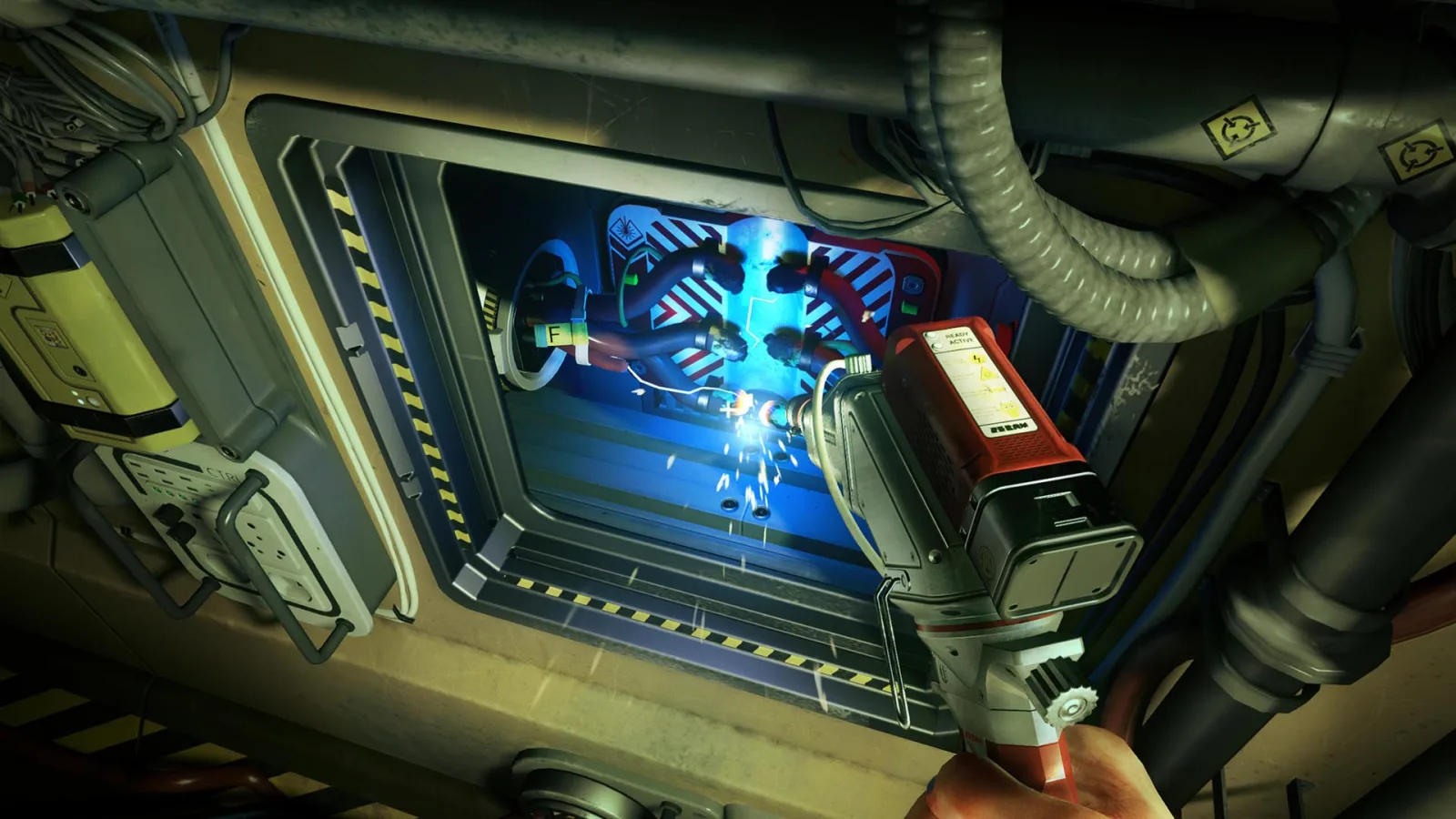
Frictional's own description is unusually direct about the intended rhythm. The extended gameplay begins with nearby spaces full of information about the people and issues involved, including a smaller experiment that lets players test theories and make mistakes. Grip says that learning how a character works can change which answers or questions produce the result a player wants. That does not guarantee every clue will prove relevant, but it establishes a valuable design promise: reading a note, examining a device or listening to an intercom is meant to alter the terms of the decision, not merely decorate the corridors between scripted shocks.
GamesRadar's earlier interview gives the wider shape. Grip compared Ontos' major Experiments to the role boss encounters play in Shadow of the Colossus: the surrounding areas are preparations, where players test tools, learn interactions, gather resources and understand the stakes. It is a revealing comparison precisely because an Experiment is not a boss fight with a more alarming costume. The core payoff is a confrontation with incomplete knowledge. The player has to decide when they are ready, then live with an outcome that may expose assumptions they did not realise they were making.
There is room for caution in that pitch. Games can call a choice complex while quietly steering everyone towards one sensible answer, and a pile of collectible lore does not automatically create an investigation. But the Rat Server footage shows a more grounded possibility. Crombie gives instructions, the player can follow them or act on what they have seen and read, and the process involves physically placing probes rather than selecting dialogue from a menu. The ordinary awkwardness of handling equipment is part of the pressure. When every instruction might be self-serving, a fumbled hand movement can feel like an interpretation made visible.
The approach makes the delay easier to understand
Ontos was delayed from its original 2026 window to 2027 in July, a change Frictional attributed to the scale and depth of its story and gameplay. That is not evidence that the finished game will fulfil every early promise. It does, however, put the latest ten-minute demonstration in a useful light. The studio is showing a sequence that has to carry exploration, physical interaction, stealth, character history and several possible conclusions without turning into a lecture. Each part has to reinforce the others. If the writing tells the player to care but the tools are arbitrary, the Experiment becomes an elaborate cutscene with extra buttons.
The strongest thing about the footage is that it does not pretend that horror and thinking are enemies. The Rat Server is frightening because it refuses a clean category: it is medical equipment, animal suffering, an alleged human mind and an object that requires delicate manual work. A monster that only chases you asks for speed. Crombie asks for interpretation, restraint and a willingness to act before certainty arrives. That is a much riskier kind of encounter to build, because it has to be coherent enough for a player to reason through while remaining strange enough to unsettle them.
There will still be conventional menace in Ontos. The available gameplay includes stealth, and Frictional has not abandoned the unnerving spaces that made Soma memorable. Yet the Rat Server suggests a more interesting ambition for the 2027 release. The game wants the player to carry dread into the quiet moments: while searching a room, weighing a voice, or wondering whether a piece of information is a clue or a trap. If that rhythm survives beyond this one encounter, Ontos will not need to hide its ideas behind a monster. It can put the horror on the workbench and ask the player to decide what it is.
Sources
Where this story comes from, and where you can check it.
Official sources
- PlayStation BlogOntos devs on the centered around a server of rats psychological gameplay ↗
- Xbox WireIntroducing Ontos - Frictional Games' Spiritual Successor to Soma ↗