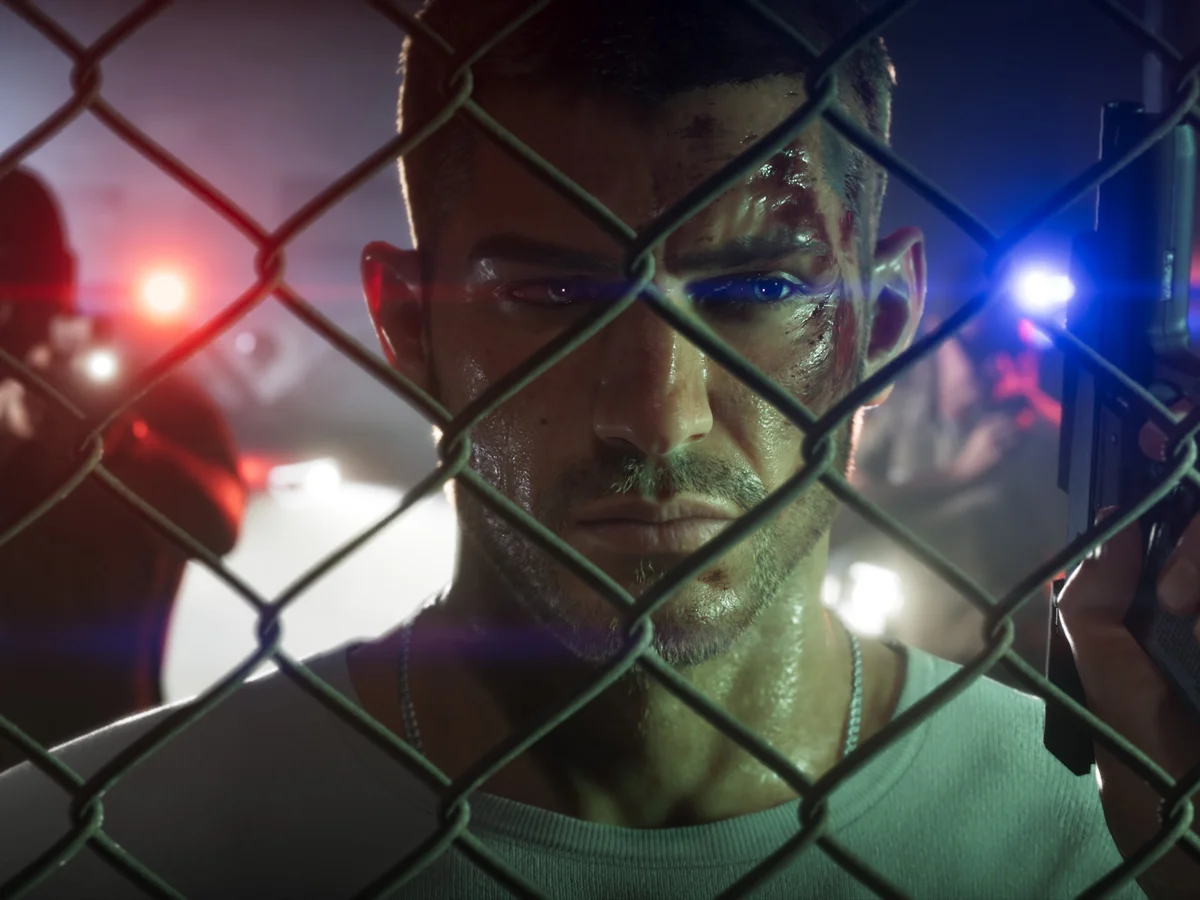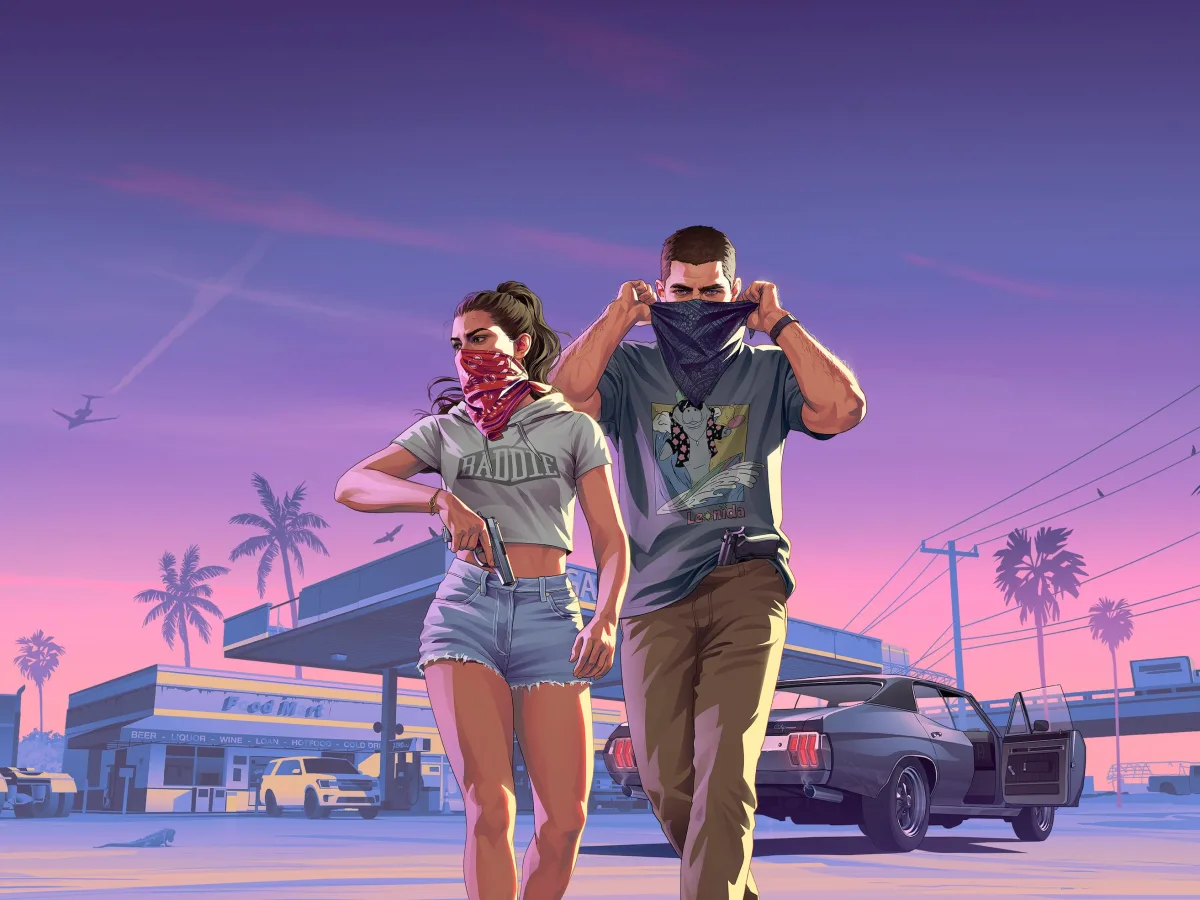
A six-hour exclusive should have been a footnote. Instead, the extended look at Grand Theft Auto VI became Netflix's most-watched title of the week, according to a Variety tally reported by PC Gamer: 31.1 million views in four days. The scale matters less as a victory lap for a streaming service than as a clue about Rockstar's launch campaign. A GTA trailer is no longer merely an advert between games. It is an appointment that can move an audience from one platform to another. Yet the official release plan still gives that appointment a very different meaning depending on where a player expects to buy the game.
The reveal became part of the product
Rockstar put the extended look on Netflix first on 27 August before it reached YouTube, a deliberately brief window that turned access into a small event rather than a permanent wall. PC Gamer reported that the programme topped Netflix's weekly chart in 87 of 93 countries, while the same report noted the mismatch between Netflix's 31.1 million four-day figure and YouTube's differently measured view count. Those totals should not be treated as a scoreboard between services. They do show the strength of a campaign that can make a non-interactive presentation feel like a shared cultural release, even before anyone can judge the game itself.
That strategy has a player-facing consequence. A trailer shown first in a subscription app asks people to encounter a forthcoming game through a place that is neither a console store nor a traditional games broadcast. It makes sense for a series with unusual reach, and it may be useful for people who would not seek out a gaming channel. But it also shifts attention from the ordinary questions that help players decide whether to care: which machine will run it, what it will cost, and whether the release date applies to them. The spectacle creates a single audience for the reveal. The actual buying decision remains several different ones.

A fixed date, but not a shared launch
Rockstar's official Grand Theft Auto VI page lists 19 November 2026 and PlayStation 5 and Xbox Series X|S. It does not announce a PC version. That is the clearest fact available, and it is more useful than treating past Rockstar release patterns as a promise. PC Gamer's recent examination of earlier releases found varied gaps between console and PC, but history is context rather than a timetable. A player deciding whether to buy a console, hold off on pre-ordering, or simply mute the marketing does not need a prediction dressed up as news; they need the distinction between what Rockstar has confirmed and what it has not.
The gap also changes how the same footage lands. For a PlayStation 5 or Xbox Series player, a new close-up of Leonida can be part of a concrete countdown, with a date and storefront already attached. For a PC player, the same material is evidence of a game they may want without an announced way to play it. Neither response is less legitimate, and a console-first release may reflect technical or commercial choices Rockstar has not explained. The issue is not that every platform must receive every game on identical terms. The campaign's huge reach can obscure the practical difference in who is invited to plan for November.
Hype is not a replacement for information
There is a fair counterpoint to the frustration. Rockstar has not asked PC players to pre-order an unannounced edition, and refusing to invent a date is preferable to making a promise that later moves. Console development benefits from fixed targets, particularly for a game whose visual detail and crowded scenes are central to its pitch. The extended look can still be worthwhile craft: it introduces tone, place and character without pretending that viewers have seen final performance. Its success on Netflix suggests many people enjoy that collective anticipation. The problem begins only when the event is allowed to stand in for the missing practical details.
For players, the sensible response is modest. Treat the November date as a console release date, not a universal one, and treat the showcase as a glimpse rather than an obligation to make a buying decision early. That leaves room for the possibility that Rockstar clarifies its PC plans later, without turning an old porting cadence into an expectation the company never set. GTA VI's marketing experiment is impressive precisely because it makes a trailer feel unusually consequential. It should not make the unanswered platform question disappear. The more enormous the event becomes, the more clearly the campaign needs to say who can actually join it on launch day.
Sources
Where this story comes from, and where you can check it.
Official sources
- Rockstar GamesGrand Theft Auto VI ↗