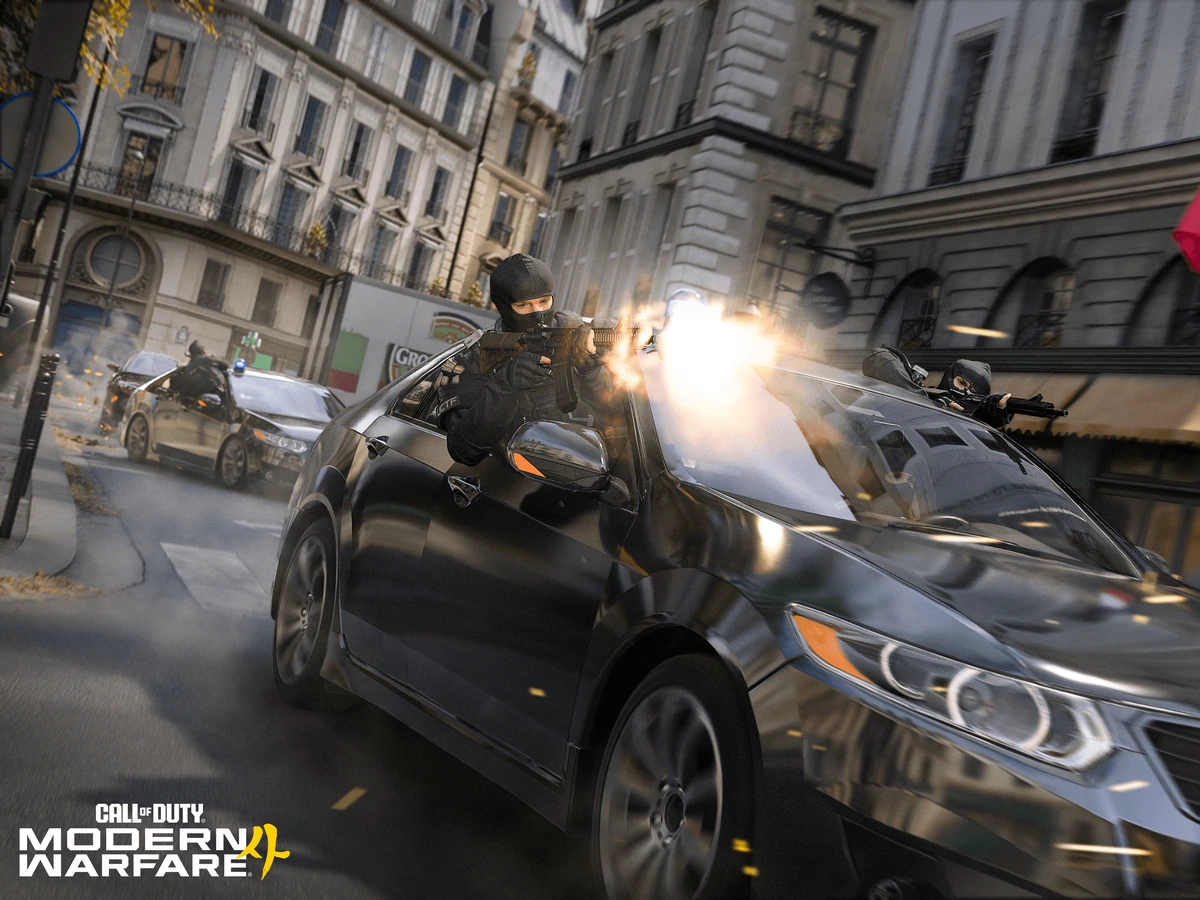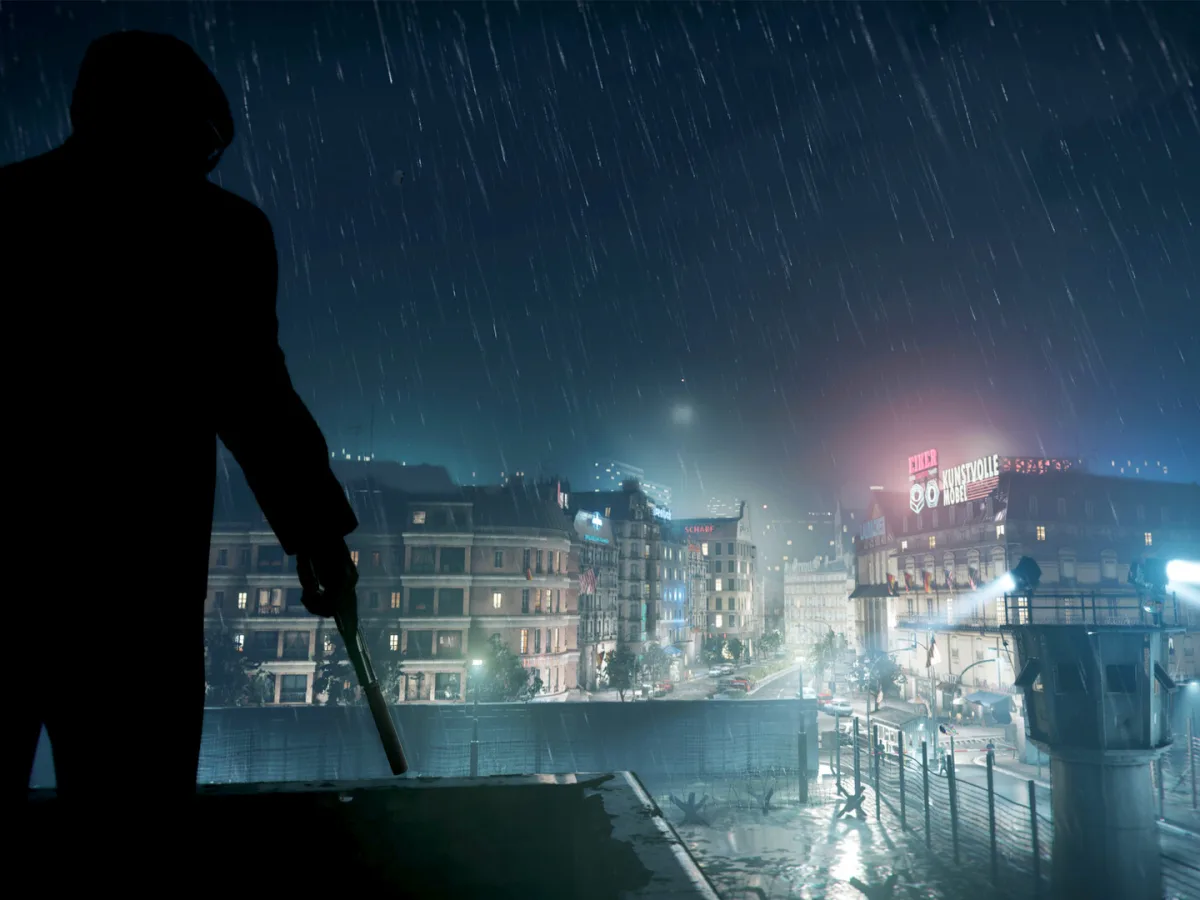
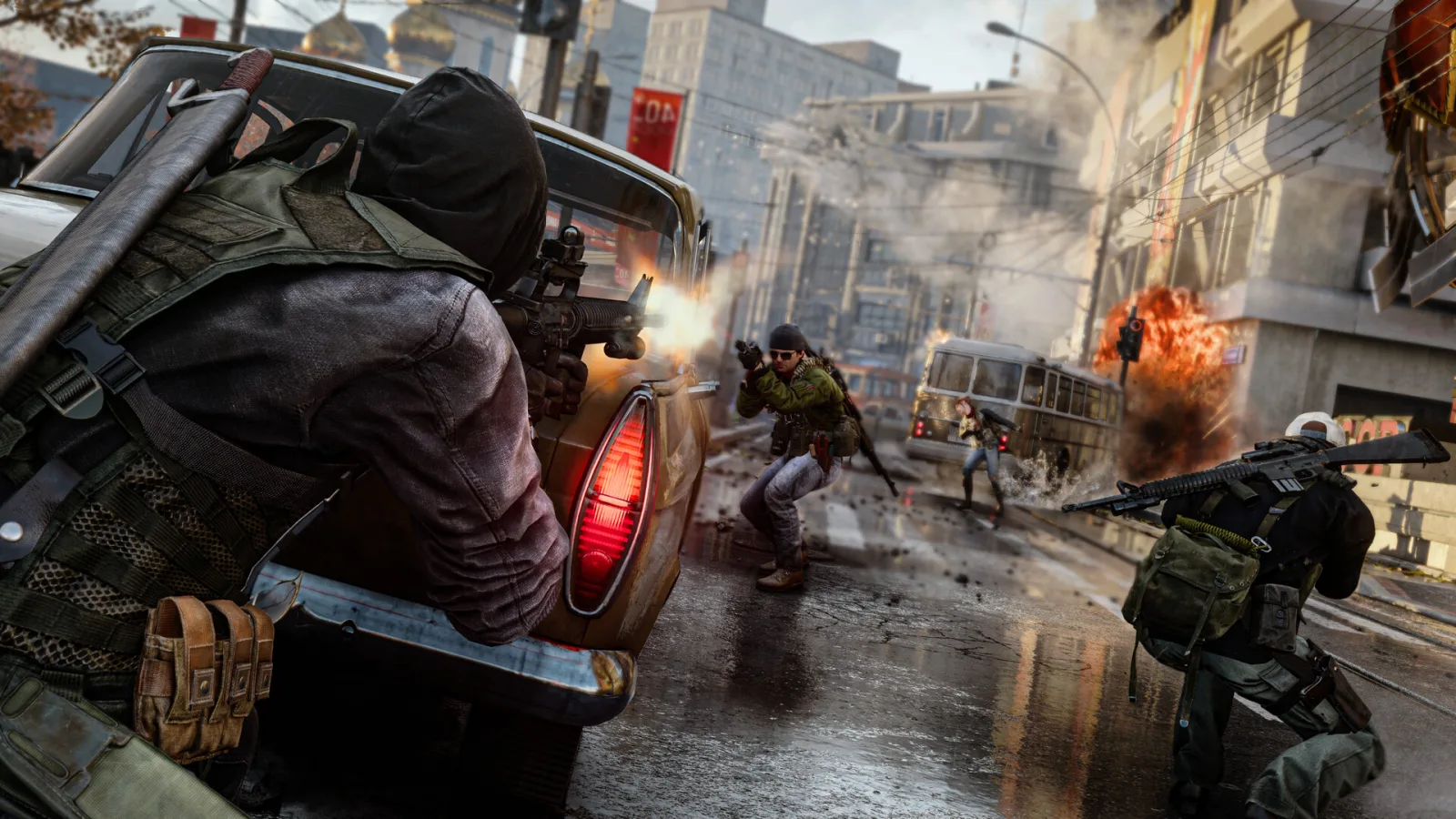
The loudest moments in Call of Duty: Black Ops Cold War have the expected shape: a rooftop chase, a helicopter over Vietnam, a street battle punctuated by an exploding vehicle. Then the campaign returns to a Berlin safehouse and asks the player to stop. There is evidence to pin, a cipher to consider and an optional operation that only makes sense if the clues gathered in earlier missions have been noticed. That small interruption is the campaign's cleverest move. It gives a famously forward-driving series a chance to make the player feel involved in the investigation, rather than merely the person holding the rifle at its final destination.
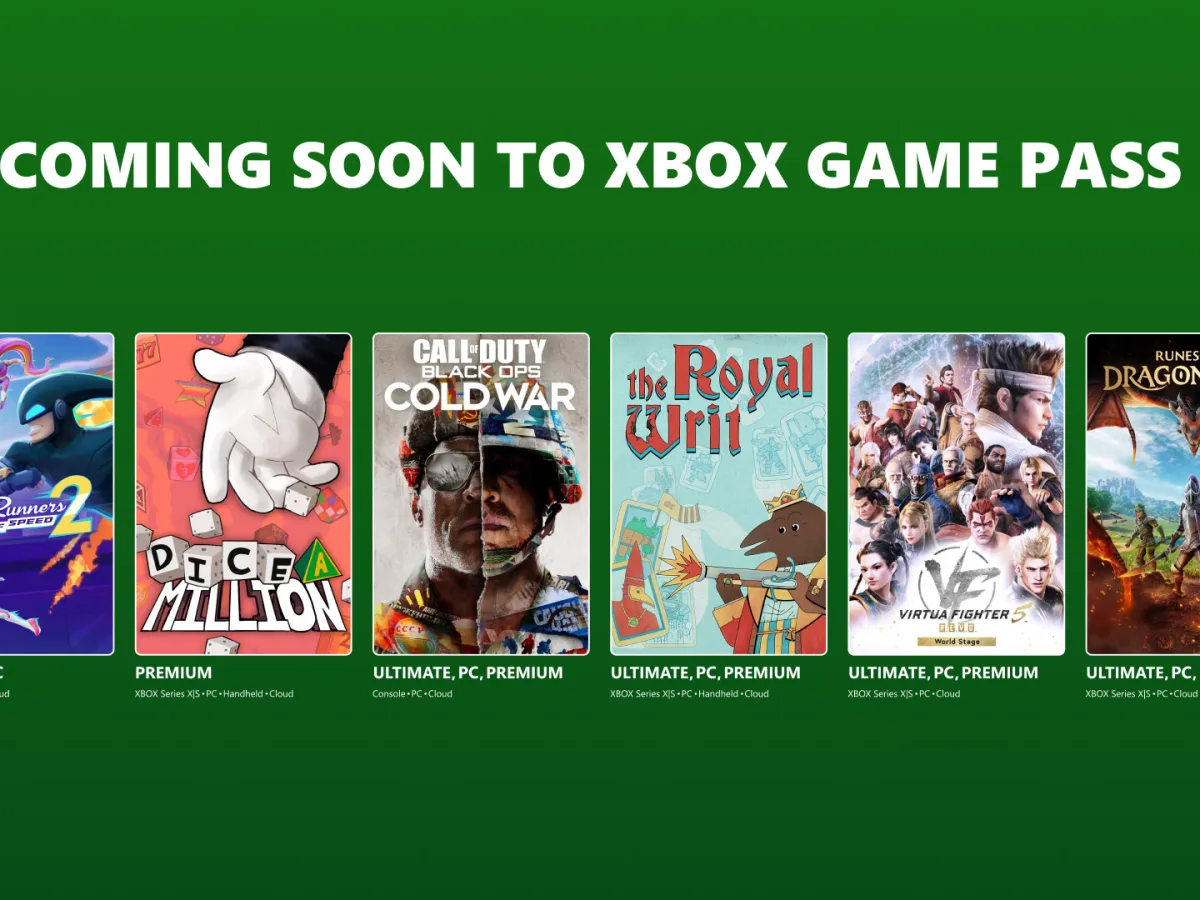
Cold War has returned to view because it joined PC Game Pass on 8 September, six years after its original release. That catalogue change has not altered the game, and this is not a case for treating an old shooter as newly made. It is a useful excuse to look at a campaign with a more peculiar rhythm than its reputation suggests. Raven Software's 2020 story is still full of brisk action, but its structure keeps making space for the player to inspect a lead, select a reply or choose where the next piece of the investigation points. The safehouse turns that breathing room into a physical place.
The pause is part of the mission
At the board, the campaign gathers documents and other intel found during its missions, then makes that material relevant to two optional side operations. GameSpot's pre-release report described collecting evidence and using it to solve the associated puzzles, rather than treating every scrap as a collectible that disappears into a menu. The point is not that Cold War becomes a detective game. Most of its missions remain compact action stories. The board works because it briefly changes the player's job. Instead of being pushed towards the next waypoint, they are invited to compare what the campaign has handed them and decide whether the case is ready to advance.
That is a better use of a hub than a row of loadout screens. The safehouse gives the player a corridor of quiet between the noisy set pieces, but its board keeps the silence from becoming dead air. A file retrieved during an earlier operation can acquire a second meaning when it sits beside another clue. The campaign has not suddenly become open-ended in the broad role-playing sense, and it does not need to be. It simply lets an investigation have a little texture. A story about deniable operations and unreliable information should occasionally make the player handle information, rather than deliver it all through a radio briefing.

The official campaign deep dive makes the contrast clear in the three missions it chose to show before launch. Nowhere Left to Run is a chase across Amsterdam; Fracture Jaw is a Vietnam flashback with helicopter combat; Desperate Measures puts an undercover operative in KGB headquarters, where an awkward move can break cover. Raven senior creative director Dan Vondrak said the Moscow mission was designed to give players more freedom over how they reached its objective. Placing those different shapes beside the evidence board makes the campaign feel less like a single uninterrupted sprint, even when it eventually returns to the usual burst of gunfire.
Choice does not have to redraw every wall
The campaign's dialogue choices and endings are the more obvious expression of this idea, but the board is the more revealing one. A dialogue prompt can be forgotten as soon as the cutscene ends. Evidence stays visible. It gives the player a place to return to, and a reason to remember why a photograph, code or interview mattered. David S. Goyer, who worked as a story consultant, told Call of Duty's official blog that actions could affect the ending and that the team built different responses around player decisions. The claim is ambitious; the board is where that ambition becomes something the player can actually touch.
There are limits to the illusion. GameSpot noted that the campaign has open-ended missions and multiple endings, not a wholesale abandonment of Call of Duty's authored route. A few choices do not turn every level into a web of radically different stories, and the article would be less interesting if it pretended otherwise. Cold War's strength is narrower. It breaks up a linear thriller with moments that ask the player to pay attention, form a conclusion and live with a decision. The action has more force after that pause because it feels like the consequence of a lead, not merely the next item on a list of explosions.
That rhythm is still unusual enough to be worth remembering. The series has always found a new vehicle, battlefield or way to turn a corridor into spectacle. Cold War's best addition is smaller: it trusts the player to leave the corridor for a moment. The optional operations, the board and the safehouse do not displace the campaign's blockbuster instincts. They make them feel connected to a thread the player has had a hand in following. With Cold War now easier to encounter through PC Game Pass, that is the feature worth revisiting: a shooter that understood a briefing room can be part of the drama.
Sources
Where this story comes from, and where you can check it.
Official sources
- Xbox WireComing to XBOX Game Pass: RuneScape: Dragonwilds, SpeedRunners 2: King of Speed, The Royal Writ, and More ↗
- Call of DutyA Deep Dive into the Call of Duty: Black Ops Cold War Campaign ↗
- Call of DutyThe Black Ops Cold War Campaign: Down the Rabbit Hole with Screenwriter David S. Goyer ↗