A time loop looks like the most wasteful thing a game can do. It wipes the room, resets the clock and puts the player back at the beginning with nothing new in their pockets. Outer Wilds and The Forgotten City make that apparent loss do useful work. Their worlds return to a fixed starting point, while the player's understanding becomes the one resource that cannot be confiscated. In both games, discovering how a place works is not background lore. It is the upgrade.
That changes the texture of progress. A conventional adventure can make a locked door wait for a key, a level number or a better weapon. These two make it wait for a realisation. You might need to notice when a path appears, understand why someone is acting strangely, or recognise that a detail from one corner of the world changes what is possible in another. The prize is not a brighter icon on a character sheet. It is the lovely, slightly alarming feeling that the route was there all along.
When the world keeps its own timetable
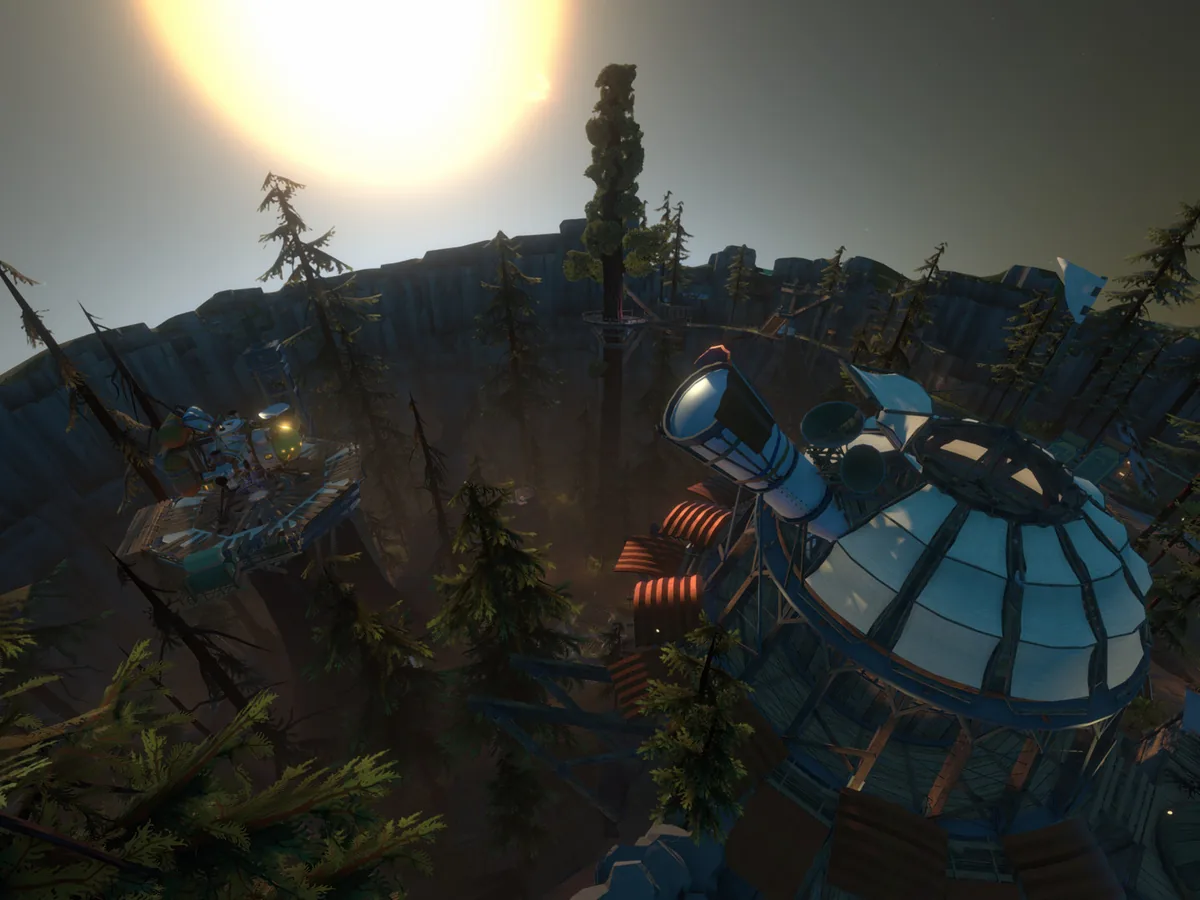
Outer Wilds starts with a solar system caught in an endless cycle. Its official Steam page describes planets that change as time passes: an underground city can disappear beneath sand, while another world's surface crumbles away. That makes curiosity practical. A place is not simply marked as finished or unfinished; it has a particular moment when it can be reached, and a particular hazard that makes reaching it awkward. The player is not handed a new ability to cross that gap. They have to learn the world's timetable.
The reset does not reduce the journey to a sprint because an unsuccessful trip can still answer a question. What does this signal mean, where does this tunnel lead, what changes if the player arrives earlier? The next loop begins at the same campfire, but a discovery leaves the player with a more purposeful destination. The reward is not a permanent item in the world. It is a better hypothesis about the world, which is enough to make a familiar launch feel newly charged.
The clever part is that the changing solar system does not feel like a puzzle box politely waiting for its solution. Sand falls whether the player is ready or not. A planet's fragile surface is not holding still so a visitor can admire it. The world has its own business, and the player has to read it. That makes a note, a rumour or an unsuccessful landing feel less like a failed attempt at progress than practice in seeing the same place properly.
Information has social weight
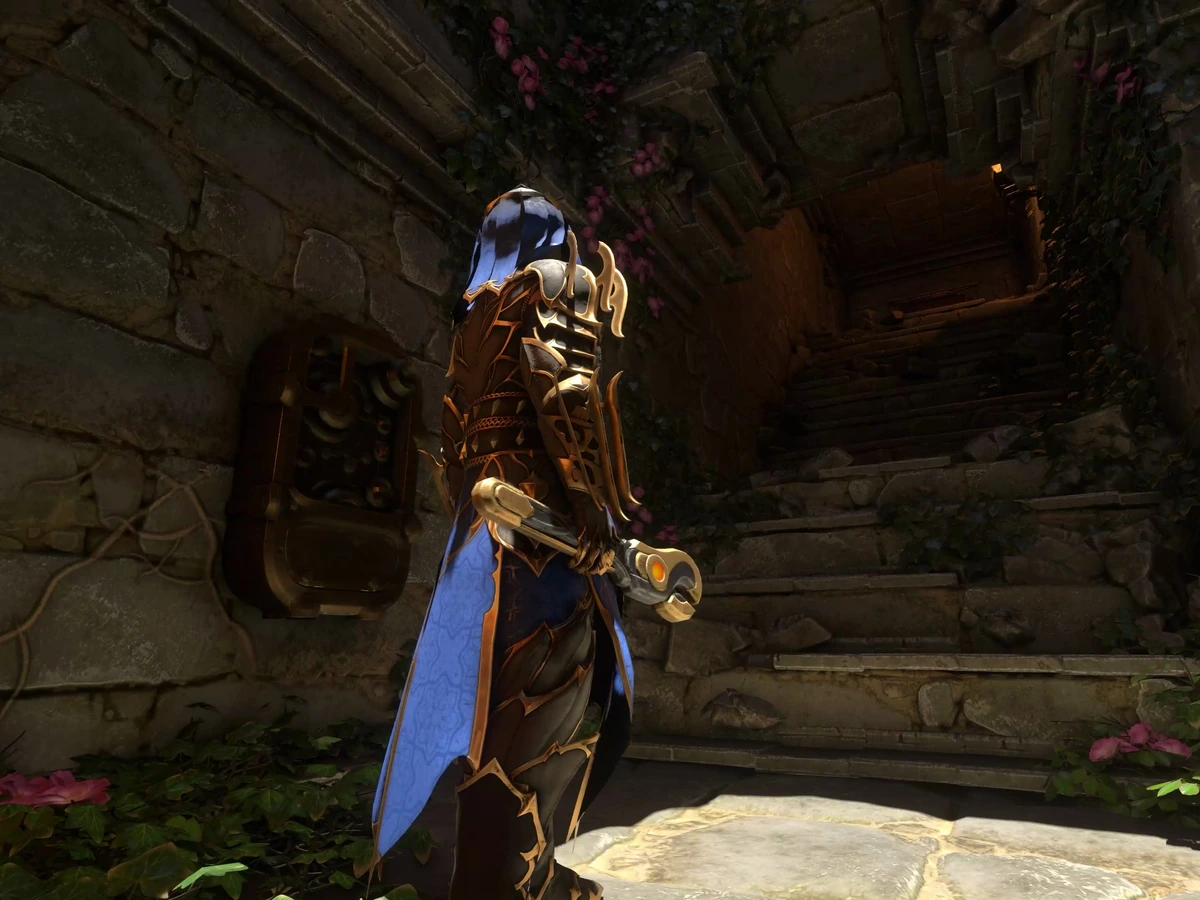
The Forgotten City moves the same principle into a smaller, more talkative space. Steam describes a cursed Roman city where one person's sin kills everyone, and says the mystery can be approached through questioning its community, moral choices and the time loop itself. Its questions are therefore not only geographical. Information about a resident can alter a conversation, expose a problem or change the order in which a player dares to intervene. Knowing a fact is immediately useful because people are part of the machinery.
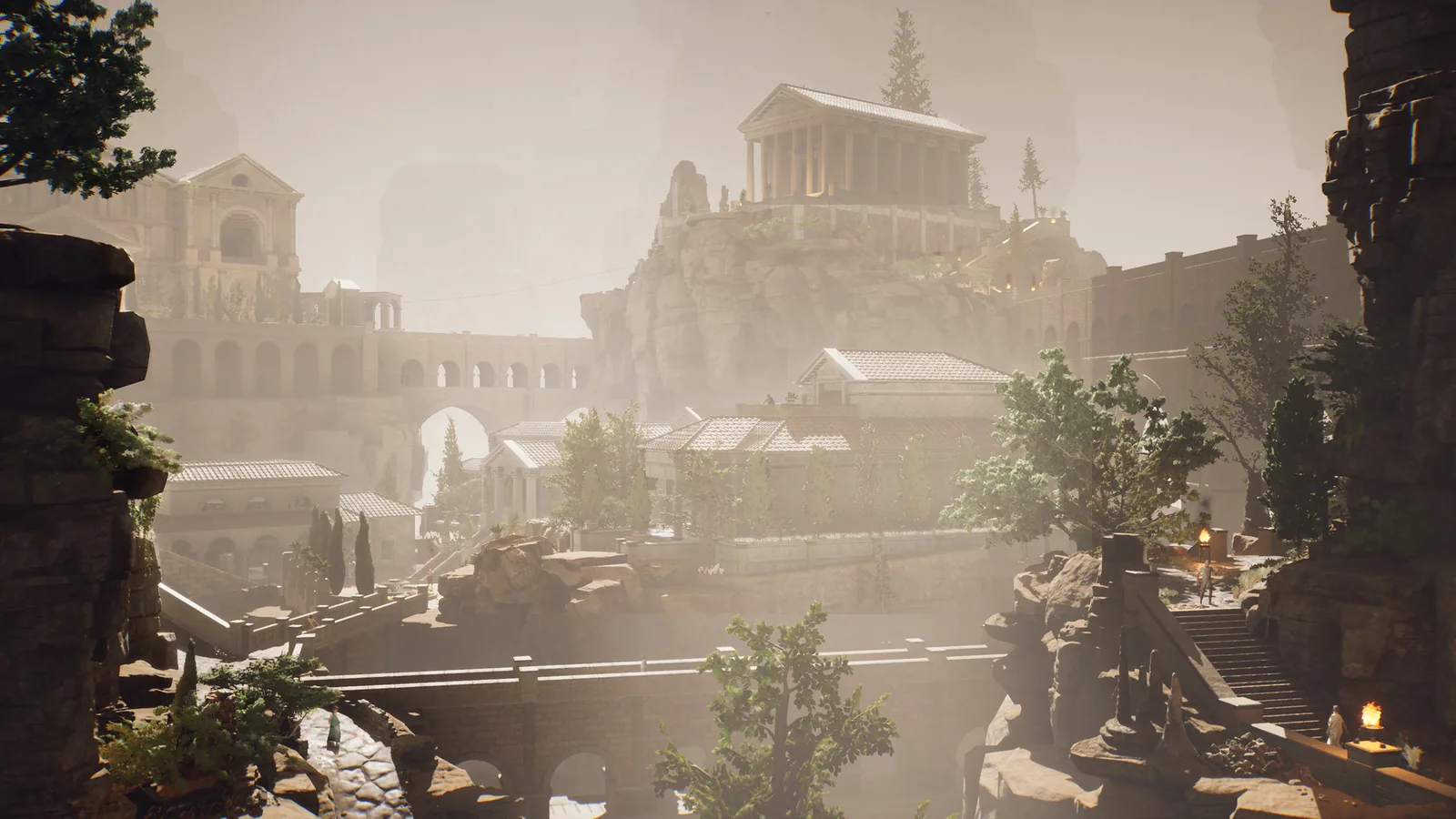
The Guardian called the game a time-loop murder mystery enlivened by acting, dialogue and skulduggery. That combination matters. A reset can become tedious when it only asks the player to repeat a chore more efficiently. Here, the central pressure is a rule shared by an entire city, so a newly learned detail is often a social lever rather than a faster route. The player is not collecting trivia about ancient Rome. They are working out what someone knows, fears or needs before the next cycle closes.
Outer Wilds and The Forgotten City are not identical exercises. One makes the player read a restless solar system; the other asks them to navigate a web of people and consequences. Yet both understand that a reset earns its keep when it changes the player's relationship to familiar ground. Returning to the same street or planet should not mean doing the same thing again. It should mean noticing the useful thing that was invisible last time.
A progression system you carry yourself
There is a small act of trust in that design. These games assume players can remember, compare and make a plan without being rewarded with a new sword every few minutes. They still offer tools and records, but the decisive inventory is outside the screen: a pattern the player has recognised, a name they have connected to an event, a route they now understand. It is a demanding form of progress, because a clue that goes unnoticed cannot help anyone.
It is also why the best discoveries in these games are difficult to describe without spoiling them. The pleasure is not merely that a hidden answer exists. It is that an answer changes the meaning of things already seen. A chamber, a conversation or a distant landmark can suddenly become an instruction. The map has not grown larger, but the player's ability to use it has.
That is the real generosity of a good time loop. It allows a game to keep the world intact while letting the player who reads that world become someone new. Outer Wilds and The Forgotten City do not ask players to hoard their way past a reset. They ask them to pay attention. For a genre built on starting over, that is a surprisingly durable kind of progress.
Sources
Where this story comes from, and where you can check it.